


















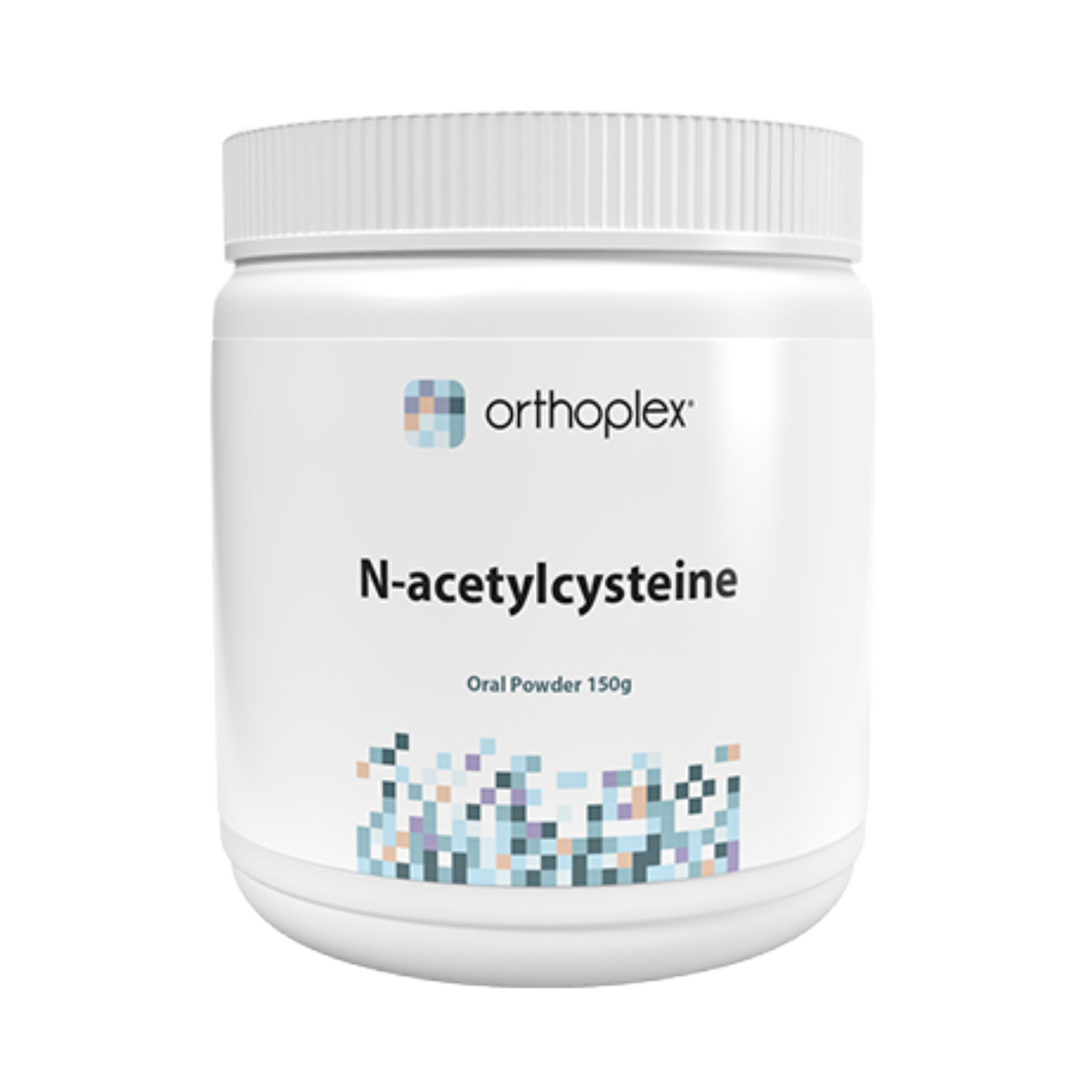


Gut Lining Support
The gut lining is constantly renewing itself. Amino acids help supply the raw materials needed for repair, maintenance, and everyday digestive resilience.
Explore common health concerns and discover practitioner-grade nutritional support tailored to help restore balance and support your overall wellbeing.
Health concerns rarely arrive in neat little boxes. If more than one area feels relevant, begin with the pattern affecting daily life the most — energy, sleep, digestion, mood, immunity, or hormonal balance.
Persistent, worsening, unexplained, or sudden symptoms should be discussed with a qualified health professional, especially when medication, pregnancy, breastfeeding, or existing health conditions are involved.
For customers who value better guidance, clearer choices, and a more thoughtful way to shop practitioner-grade wellness.

A smarter frame for the topic
Amino acids are often framed as if they matter only in sports nutrition, but that overlooks the wider role they play in digestion, tissue repair, neurotransmitter activity, and everyday resilience.
They support some of the body’s most important behind-the-scenes work. The digestive system relies on nutrients to maintain the gut lining, while the brain relies on nutrient-driven pathways that help support mood, focus, and nervous system function. That makes amino acids relevant to both sides of the gut-brain connection.
That is also why this topic deserves a clearer explanation than the usual wellness fluff. The real value of amino acids is not that they sound impressive on a supplement label. It is that they sit inside processes the body depends on every day.
Three pillars
Rather than treating amino acids as one vague category, it is more useful to look at the main ways they matter in this discussion.
The gut lining is constantly renewing itself. Amino acids help supply the raw materials needed for repair, maintenance, and everyday digestive resilience.
Several brain-signalling compounds rely on amino-acid-related pathways, which is why amino acids are relevant to mood, focus, stress response, and mental steadiness.
Beyond the gut and brain, amino acids also contribute to broader repair and adaptive capacity. That wider support matters when the body is under strain, undernourished, or slow to recover.
Make it practical
| Area | Why it matters | How it may show up |
|---|---|---|
| Gut integrity | The digestive lining needs ongoing nutritional support to maintain structure and function. | Digestive strain, poor tolerance, or slower recovery may prompt closer attention to nutritional intake. |
| Mood and mental clarity | Brain-signalling pathways depend on adequate nutritional building blocks. | Low resilience, poor focus, and a “flat but wired” feeling can often sit within the wider picture. |
| Stress adaptation | The body needs resources to respond to pressure without running on fumes. | Periods of prolonged stress can make nutritional adequacy more important than many people realise. |
| General recovery | Repair processes depend on a steady supply of usable nutrients. | When recovery feels slower than it should, the basics often deserve more attention than the biohacks. |
Follow the pathway
The value of amino acids becomes easier to understand when you see how nutrition, digestion, and brain function build on one another rather than operating as separate stories.
Food provides the amino acids the body works with in the first place.
Digestion and tolerance influence how comfortably and consistently the body can access those building blocks.
Mood, focus, and resilience are shaped by pathways that depend on adequate nourishment and steadier physiology.
When the foundations are better supported, digestion and mental clarity often sit on firmer ground.
What to do with that information
Practitioner-grade support
Useful next step
This topic becomes more useful when it moves away from broad wellness fluff and returns to practical questions: intake, digestion, resilience, mental clarity, and whether targeted support is actually justified.
No. They are involved in tissue repair, digestive integrity, enzyme production, and neurotransmitter-related pathways, which makes them relevant well beyond sports nutrition.
Glutamine is frequently discussed because the cells lining the intestine use it as part of their normal function and renewal, which is why it appears so often in gut-support conversations.
They can contribute to pathways involved in neurotransmitter production and nervous system function, which is why amino acid status can matter in broader conversations about mood, focus, and resilience.
No. Many people may be better served by improving protein intake and meal consistency first. Supplements tend to make more sense when there is a clearer reason for using them.
Start with the basics: adequate protein, steadier meals, better digestion, better sleep, and an honest look at whether your foundation is truly supporting recovery.
Bring it together
Amino acids are easy to underestimate because they are so often presented through a narrow sports-nutrition lens. In reality, they sit within a much wider story involving gut lining support, neurotransmitter pathways, tissue repair, and the broader conversation between digestion and the nervous system.
That is what makes them relevant to gut-brain health. Not because they are magical, and not because one amino acid solves everything, but because the body depends on them in several places at once.
The most useful perspective is a grounded one: support the foundations first, use practitioner-grade options when they make sense, and look at the whole pattern rather than chasing one trendy shortcut at a time.
Explore further
A final note
This article is for educational purposes only and is not intended as medical advice, diagnosis, or treatment. Gut symptoms, ongoing fatigue, low mood, sleep disruption, or cognitive changes should be discussed with a qualified healthcare professional where appropriate.
Dietary supplements should not replace a balanced diet, proper medical review, or personalised practitioner guidance. For more details, read our Health Disclaimer & Liability Notice.


OUR WAREHOUSE
26 Artisan Rd.
Seven Hills, NSW 2147
Tel: +61 2 9683 2598
Dispatch warehouse only — no public access or counter sales.
We acknowledge the Darug People of the Burramattagal as the Traditional Custodians of the land on which we work, live, and learn. We pay our respects to their Elders, past and present and extend that respect to Aboriginal and Torres Strait Islander peoples here today.

Choose the health area you want to support and explore clear, practical options without the product overwhelm.
• Browse by health goal
• Compare relevant options
• Review practical guidance


