
















Table of Contents
Key Takeaways
- Poor digestion can be caused by overeating, spicy foods, fizzy drinks, or stress.
- Symptoms like bloating, heartburn, and nausea are signs your digestive system needs support.
- Sitting upright, chewing slowly, and walking after meals can ease immediate discomfort.
- Natural remedies like ginger, chamomile, and herbal bitters help soothe the gut.
- Long-term fixes include portion control, reduced acidic foods, and stress management.
- Simple habit changes can make a big difference in digestive health and daily comfort.
Introduction: Why Your Stomach Might Be Fighting Back
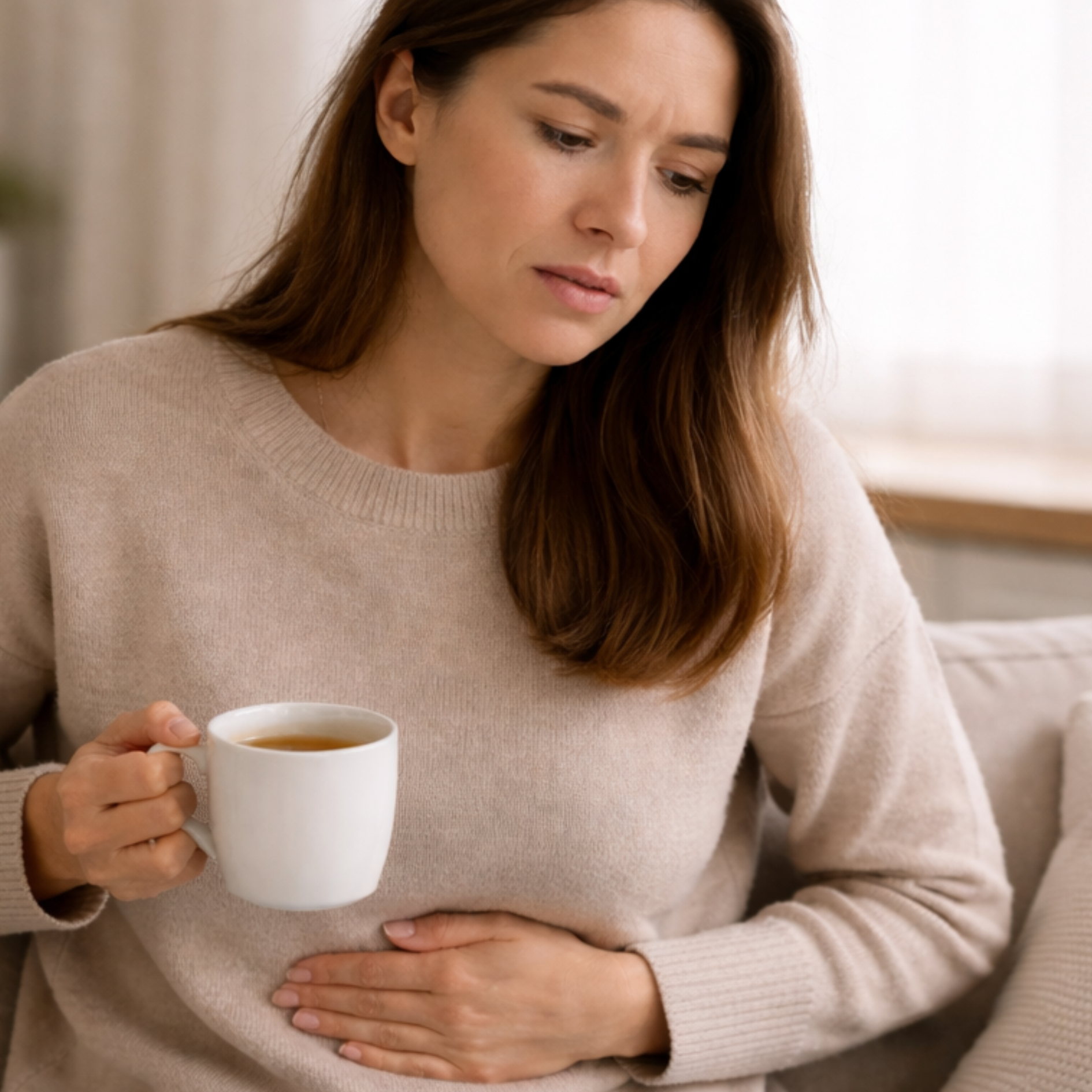
We all enjoy our food — especially when it’s well-seasoned, hearty, and shared with good company. But sometimes, the same meals we love can leave us feeling heavy, bloated, or downright uncomfortable. If you’ve ever had a burning sensation in your chest, constant belching, or that stubborn, full feeling long after eating, your digestive system may be waving a red flag.
These symptoms — bloating, heartburn, nausea — are more common than most people realise. They’re often tied to how we eat, not just what we eat. The good news? A few simple changes can make a big difference. At GhamaHealth, we’re all about practical health solutions that fit real lives. In this guide, we’ll break down what’s really going on in your gut, what might be triggering those uncomfortable symptoms, and how you can naturally and effectively feel better after every meal.
What’s Going On in Your Gut?
Digestion isn’t just about breaking down food — it’s about how well your body absorbs nutrients and keeps things moving. When that process slows down or gets disrupted, you start to feel it: bloating, gas, heartburn, nausea, and even a general sense of heaviness after meals.
One common issue is functional dyspepsia — a fancy name for slow or difficult digestion without a clear medical cause. It often shows up after eating large meals, fried foods, or too much pepper and oil. Another is acid reflux, when stomach acid rises into the chest or throat, causing that familiar burning sensation.
Your digestive system is sensitive to more than just food. Stress, anxiety, and irregular eating patterns can all throw it off. When your body’s under pressure, digestion slows down, and acid production can go haywire. The result? Your gut gets overwhelmed, and you get uncomfortable.
The key is to recognise these symptoms for what they are—a signal that your system needs some support, not something you have to suffer through.
Common Triggers You Might Be Overlooking
If you’re dealing with frequent bloating, heartburn, or discomfort after meals, one or more of these habits could be the reason. Here’s a breakdown of the most common triggers:
| Trigger | Why It Causes Problems |
|---|---|
| Eating too fast | Swallowing air, chewing less, and not giving your stomach time to prepare make digestion harder. |
| Heavy portions | Large meals overload your digestive system, slowing it down and causing bloating or discomfort. |
| Fried, oily, or spicy foods | These irritate the stomach lining and slow digestion, especially when eaten frequently. |
| Fizzy drinks and alcohol | Increase stomach acid and gas, leading to bloating, reflux, and indigestion. |
| Late-night eating | Eating close to bedtime doesn’t give your body time to digest, and it's awful if you lie down right after. |
| Stress and anxiety | Emotional tension disrupts gut function, slows digestion, and increases acid production. |
You don’t need a total lifestyle overhaul. Start small. Pick one habit to change — your gut will feel the difference.
“Good digestion doesn’t start with medicine — it starts with better habits, one plate at a time.”
What to Do Right After You Eat
You’ve just finished a good meal — now what? Believe it or not, what you do right after eating can either help your digestion or make things worse. These small, practical steps can go a long way in helping your body process food smoothly:
| Do This | Why It Helps |
|---|---|
| Sit upright | Staying seated with a straight back keeps food moving down instead of back up your throat. |
| Chew your food well | Chewing longer breaks down food before it reaches your stomach, reducing the work your gut has to do. |
| Take a slow walk | A gentle 10–15 minute walk supports digestion and prevents that heavy, sleepy feeling after meals. |
| Drink warm water or ginger tea. | Warm fluids (not cold) can soothe the stomach and support smoother digestion. |
| Skip the fruit and dessert. | Fruit ferments on top of heavy food, and sugar slows digestion—eat it later, not right after meals. |
| Hold off on lying down. | Give your body 2–3 hours before bed to fully digest, especially after heavy or spicy food. |
These habits may seem small, but they can prevent that bloated, sluggish feeling many people accept as usual. Your gut works best when you give it time, space, and the right environment.
“When the right habits meet the right remedies, digestion becomes something you don’t have to think about.”
Natural Remedies That Actually Work
When your digestion is off, you don’t always need to reach for strong medication. There are natural, well-known remedies — some already in your kitchen — that can ease symptoms like gas, heartburn, nausea, and slow digestion. These aren’t miracle cures, but they support your gut in ways that make a real difference.
| Remedy | How It Helps |
|---|---|
| Ginger | It is known for calming nausea, reducing bloating, and speeding up digestion. Use it as tea or chew a small piece raw. |
| Chamomile tea | Relaxes the stomach muscles and helps reduce inflammation and acid buildup. Great before bed. |
| Herbal bitters | Traditional remedy to stimulate digestion and bile flow. Use in moderation — a few drops before or after meals. |
| Lemon water (warm) | Helps stimulate stomach acid gently, especially in the morning. Don’t overdo it if you have ulcers or reflux. |
| Fennel seeds | Chewing these after meals can reduce gas and support smoother digestion. Not common everywhere, but worth finding. |
| Probiotic foods | Fermented foods like yogurt or kefir help balance gut bacteria and improve long-term digestion. |
Natural remedies work best when paired with good habits. Think of them as support, not a shortcut. And always listen to your body — what helps one person might not suit another.
What to Change for Long-Term Relief
Quick fixes help in the moment, but real digestive health comes from the habits you build daily. These small shifts don’t require a diet overhaul — just a little consistency. Start with what feels doable, and build from there.
-
Eat smaller portions
Big meals slow your digestion and can leave you feeling bloated. Try serving yourself a little less, especially in the evenings. -
Slow down when eating.
Chew well and take your time. The more your mouth does, the less work your stomach has to do. -
Cut back on fried and oily foods.
You don’t have to eliminate them, but reduce how often you eat heavy, greasy meals. Your gut will thank you. -
Skip the fizzy drinks.
Carbonated drinks and alcohol can irritate your stomach lining and increase acid production. -
Eat breakfast consistently
Skipping breakfast throws off your digestive rhythm. A small, balanced meal in the morning gets your gut going. -
Keep stress in check.
Stress affects more than your mind—it can also affect your stomach. Take breathing breaks, walk outside, or pause before eating.
Long-term gut health doesn’t come from significant, dramatic changes. It’s the small, wise choices you repeat daily that make all the difference.
What to Do Right After You Eat
What you do in the first 30 minutes after eating can make a big difference in how your body processes that meal. These simple habits help your stomach do its job more smoothly — no fancy supplements needed.
- Sit upright: No slouching or lying down. Keeping your back straight helps food move downward, not back up.
- Chew properly: It starts in your mouth — chewing breaks food down and reduces stress on your stomach.
- Take a short walk: A calm 10–15 minute stroll can ease bloating and prevent that sluggish post-meal crash.
- Sip warm water or ginger tea: Avoid cold drinks. Warm fluids support digestion and calm the gut.
- Hold off on fruit and sweets: Wait at least an hour before reaching for dessert — sugar can slow things down.
- Stay upright for 2–3 hours after eating, especially before bed. Lying down too soon encourages acid reflux.
You don’t need to do all of these every time. Even picking one or two and making them a habit can reduce discomfort and improve how you feel after meals.
Are You Helping or Hurting Your Digestion?
Sometimes the gut issues we face come from habits we repeat without realizing their impact. Use this quick checklist to take stock of your daily routine. No guilt — just awareness.
If you checked 3 or more boxes: your gut may be under more strain than you realize. Start with one small habit change — even a daily walk or sitting upright after meals can lead to noticeable relief.
Quick Answers to Common Digestion Questions
Occasional heartburn isn’t usually serious, but if it happens more than twice a week, it may be a sign of acid reflux or something more. If symptoms persist, talk to a healthcare provider.
Spices can irritate existing ulcers, but they don’t usually cause them. Most ulcers are linked to an H. pylori infection or overuse of painkillers like NSAIDs.
Warm water or ginger tea is a great go-to after meals. Avoid cold fizzy drinks or alcohol, as they can slow digestion or irritate the stomach lining.
Bloating isn’t always about how much you eat — it can be triggered by stress, gas buildup, slow digestion, or certain foods (like dairy or beans). Tracking your eating habits can help identify patterns.
Ideally, wait 2–3 hours after a meal before lying down or going to bed. This gives your stomach time to do its job and helps prevent acid reflux.
Supplements That Support Digestion, Gut Lining & Antioxidant Health


Conclusion: Small Habits, Big Difference
Digestion issues like bloating, heartburn, and nausea don’t have to be your daily normal. In many cases, they’re your body’s way of asking for a little more care, not more pills. The habits we covered here aren’t complicated, but they do require consistency.
Start small. Sit upright after meals. Swap one fizzy drink for ginger tea. Chew slower. Your gut is always working — so anything you do to support it adds up over time.
At GhamaHealth, we believe in practical, natural health — not quick fixes. Your digestive system has a rhythm. Treat it right, and it’ll return the favour.
Related Posts


Disclaimer
This article is intended for informational purposes only and does not constitute medical advice. Always consult a qualified healthcare professional before making changes to your diet, lifestyle, or supplement routine — especially if you have existing health conditions, are pregnant, or are taking medications.
GhamaHealth provides wellness guidance rooted in natural health principles, but individual needs may vary. What works for one person may not work for another.
References
All references were retrieved and verified as active on June 17, 2025.
-
Functional Dyspepsia Overview
National Center for Biotechnology Information. Functional Dyspepsia. -
GERD Diet Recommendations
Johns Hopkins Medicine. GERD Diet: Foods That Help with Acid Reflux (Heartburn). -
Chamomile's Medicinal Properties
Srivastava JK, Shankar E, Gupta S. Chamomile: A Herbal Medicine of the Past with a Bright Future. Molecular Medicine Reports, 2010. -
Foods to Avoid for Acid Reflux
Harvard Health Publishing. GERD Diet: Foods to Avoid to Reduce Acid Reflux. -
Gut-Brain Axis Interactions
Carabotti M, et al. The Gut-Brain Axis: Interactions Between Enteric Microbiota, Central and Enteric Nervous Systems. Annals of Gastroenterology, 2015. -
Dietary Advice for GORD
Cambridge University Hospitals. Dietary and Lifestyle Advice for Adults with Gastro-Oesophageal Reflux Disease. -
Home Treatments for GERD
Harvard Health Publishing. 9 Ways to Relieve Acid Reflux Without Medication. -
Fennel Tea Benefits
Medical News Today. Fennel Tea: 5 Health Benefits and Risks. -
Digestive Enzymes Overview
Johns Hopkins Medicine. Digestive Enzymes and Digestive Enzyme Supplements. -
Digestive Bitters and Health
EatingWell. What Are Digestive Bitters & Are They Healthy?.
