
















Night-time grinding
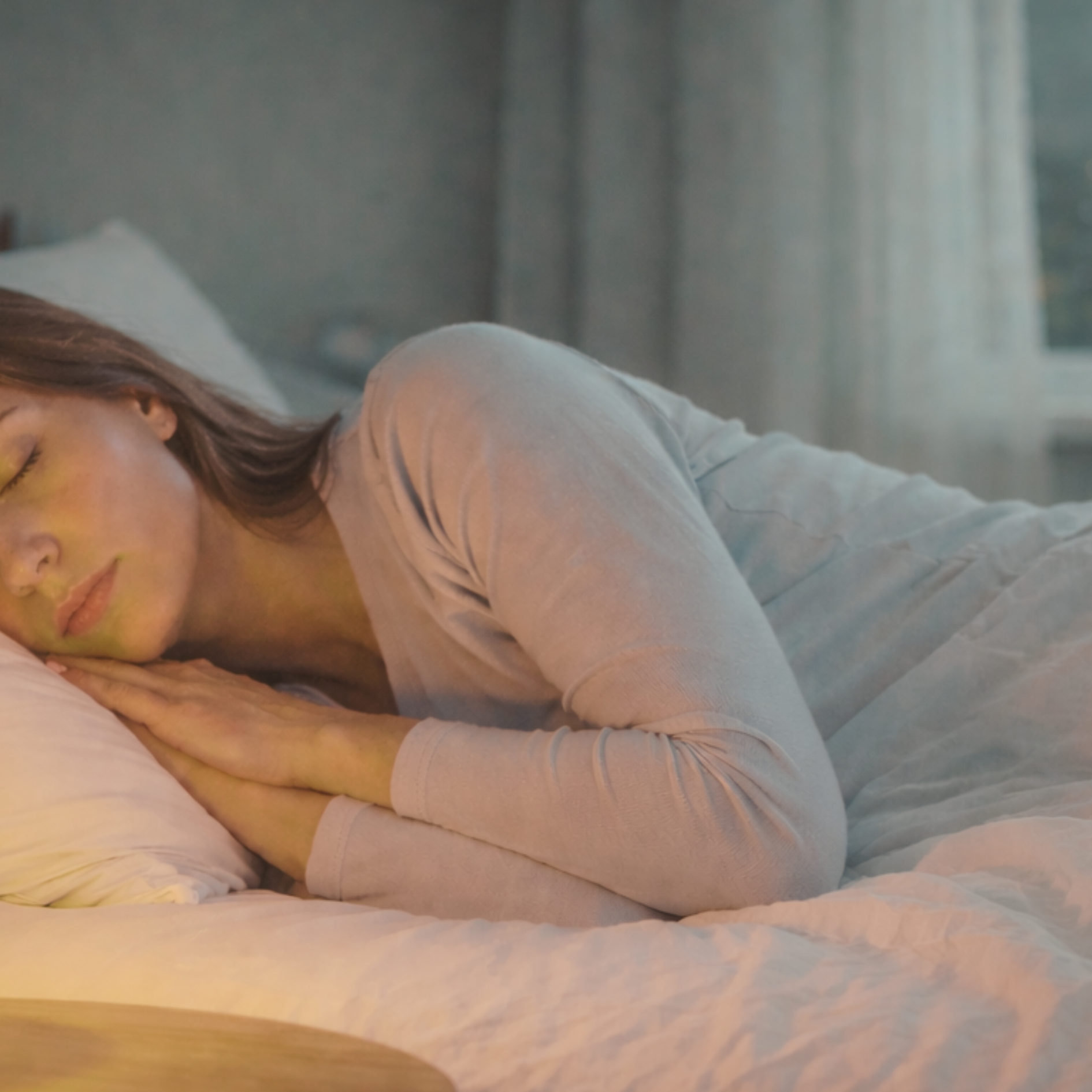
Grinding may happen during sleep without awareness, often noticed through morning symptoms or dental wear.
Explore common health concerns and discover practitioner-grade nutritional support tailored to help restore balance and support your overall wellbeing.
Health concerns rarely arrive in neat little boxes. If more than one area feels relevant, begin with the pattern affecting daily life the most — energy, sleep, digestion, mood, immunity, or hormonal balance.
Persistent, worsening, unexplained, or sudden symptoms should be discussed with a qualified health professional, especially when medication, pregnancy, breastfeeding, or existing health conditions are involved.
For customers who value better guidance, clearer choices, and a more thoughtful way to shop practitioner-grade wellness.

●Article Guide
●Key Takeaways
Bruxism is the habit of grinding the teeth or clenching the jaw, often during sleep and sometimes during the day. It can show up as morning jaw tension, temple headaches, tooth sensitivity, worn enamel, cracked teeth or a jaw that never quite feels relaxed.
The important point is this: bruxism is not always just a dental issue, and it is not always just a stress issue either. It can sit at the intersection of sleep quality, nervous system tension, dental alignment, medications, caffeine, alcohol, airway concerns and daily clenching habits.
Grinding may happen during sleep without awareness, often noticed through morning symptoms or dental wear.
Clenching can happen during focus, stress, driving, screen work or emotional strain.
A dentist can check enamel wear, cracks, bite pressure and whether a custom night guard is appropriate.
Sleep rhythm, stress load, caffeine timing, breathing and muscle relaxation may all play a role.
What Bruxism Is
Bruxism is usually described as teeth grinding, but many people clench rather than grind. Some grind at night, some clench during the day, and some do both. The pressure may be brief and repetitive or sustained for long periods without much awareness.
Sleep bruxism happens during sleep and may be noticed by a partner, dentist or morning symptoms. Awake bruxism happens during the day and is often linked with concentration, stress, posture, screen use or jaw-holding habits.
Jaw Tension Signals
Bruxism can be easy to miss because it often happens automatically. The signs usually appear in the morning, during dental checks or when jaw tension becomes harder to ignore.
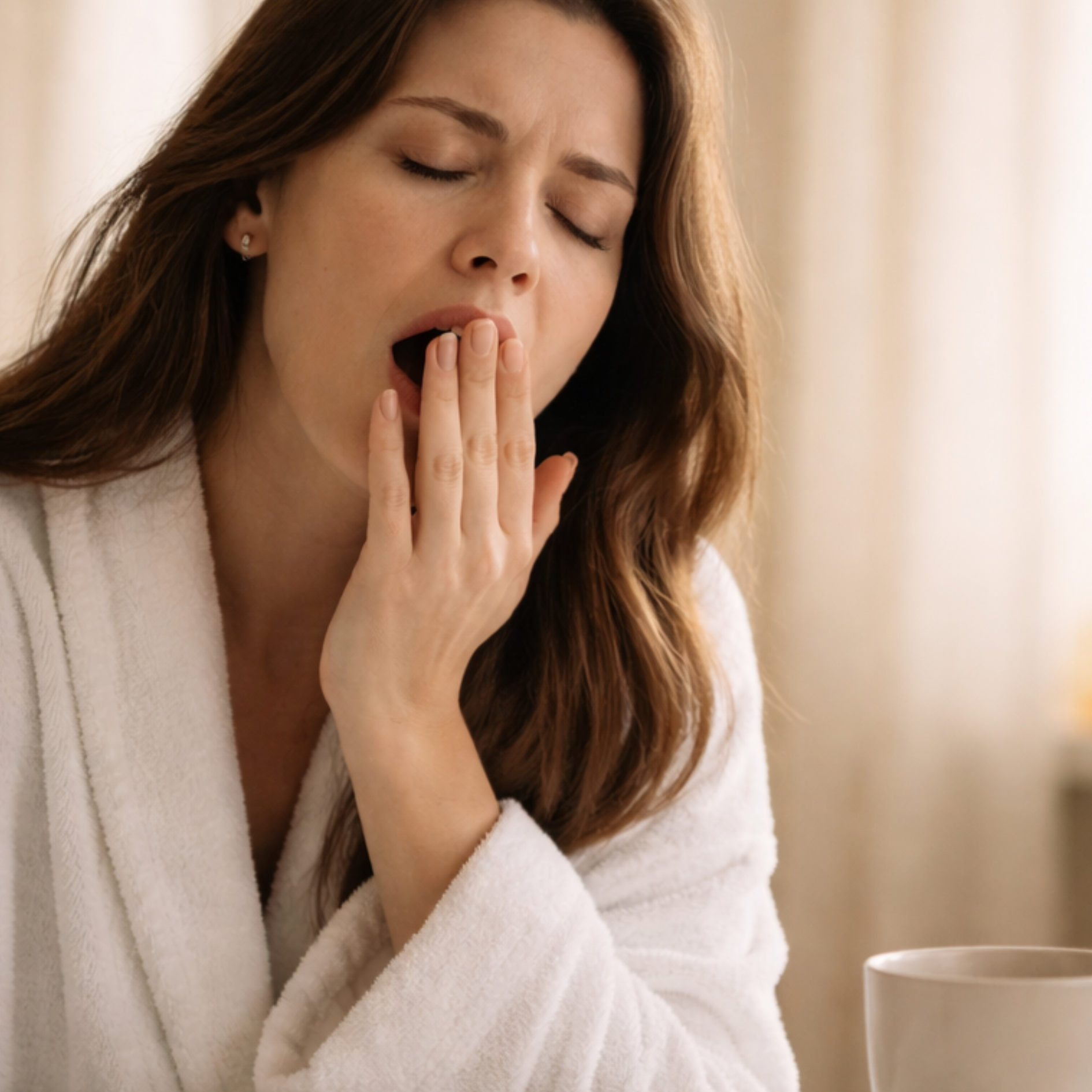
Waking with a sore jaw, facial tension or difficulty relaxing the mouth can suggest night-time clenching or grinding.
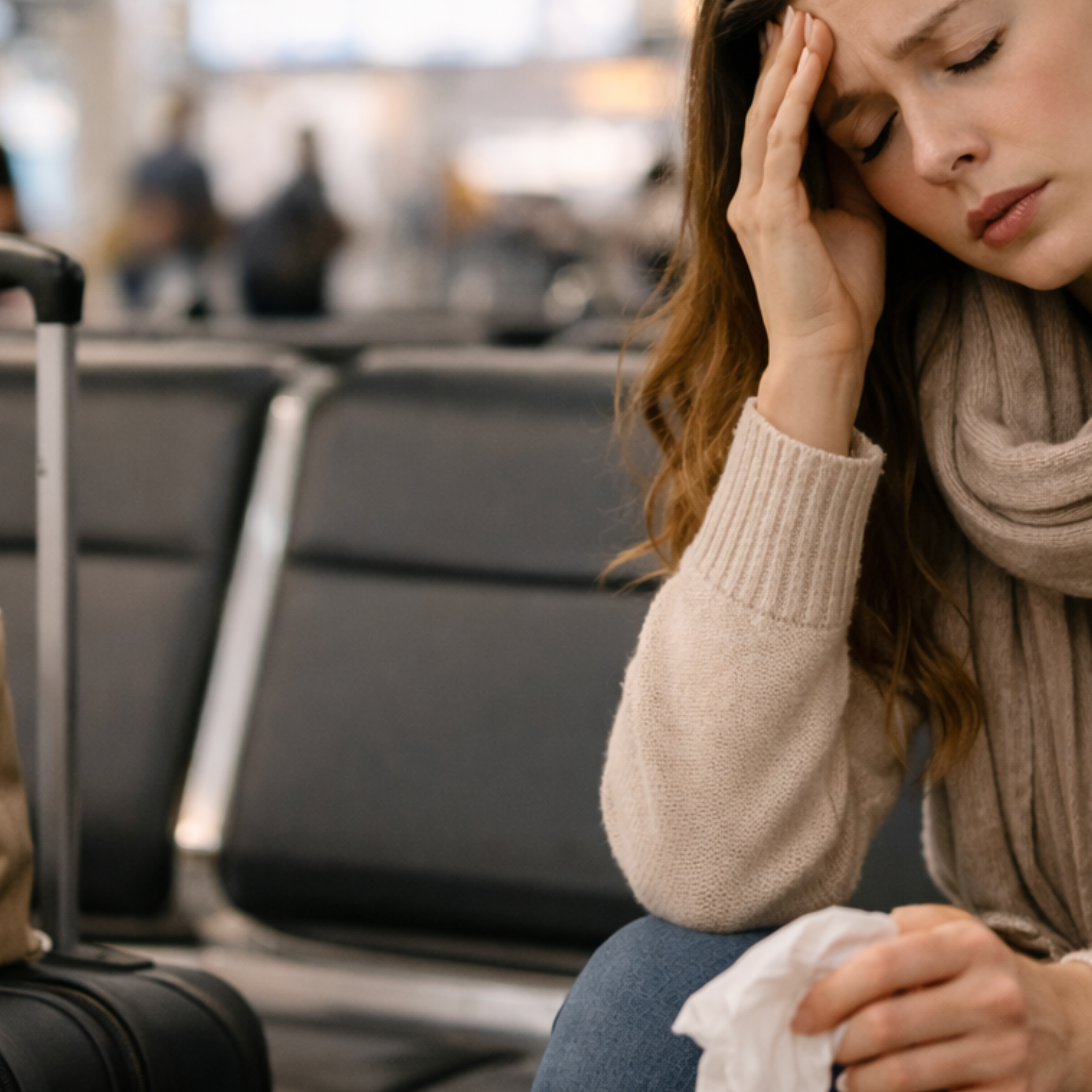
Jaw muscle tension can refer discomfort to the temples, head, ears or neck.
Tooth sensitivity, flattened biting surfaces, small chips or cracked teeth should be checked by a dentist.
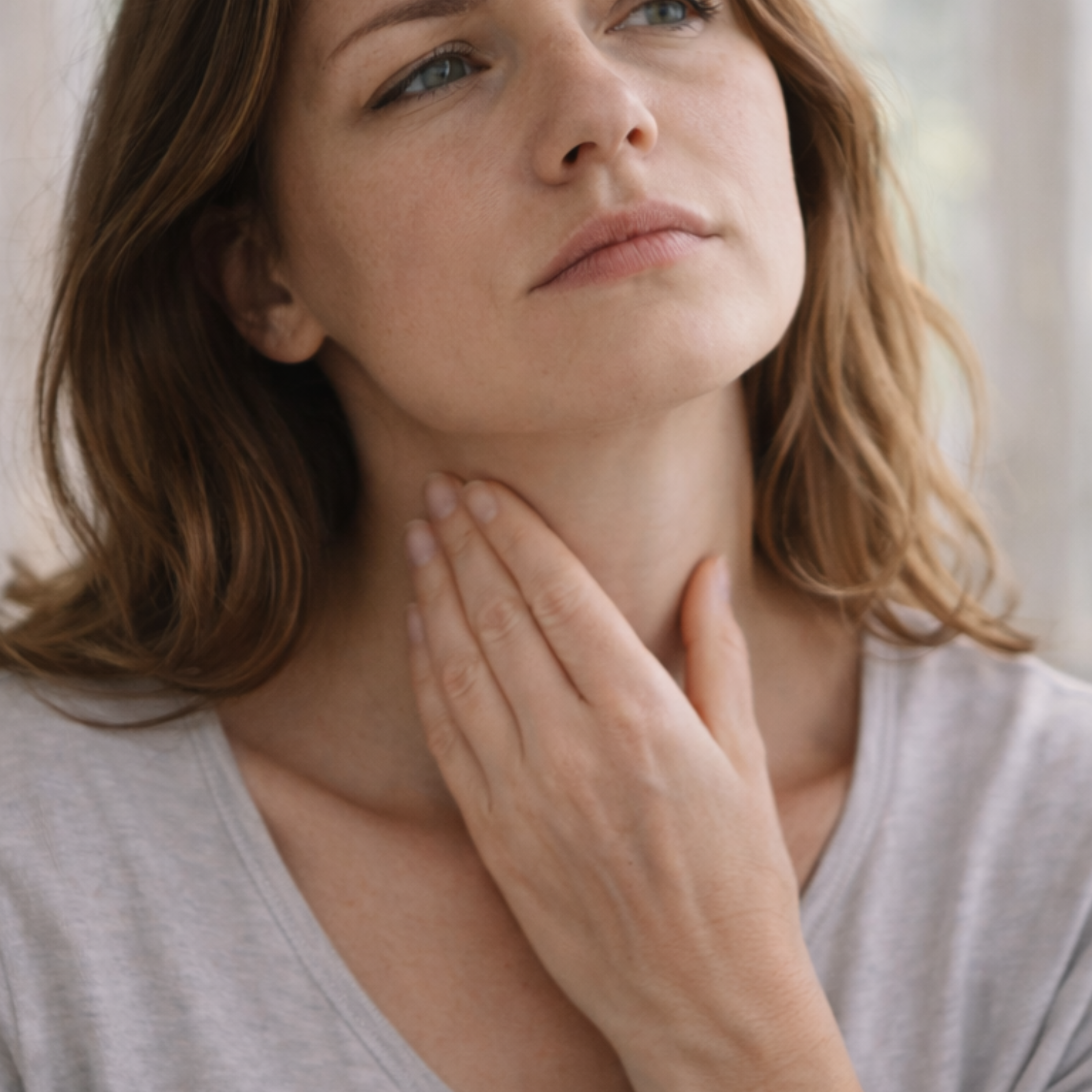
Jaw clicking, popping, locking or pain around the temporomandibular joint may need professional assessment.
Stress Load
Stress and anxiety can increase muscle tension, jaw holding and clenching habits. The jaw often becomes part of the body’s wider tension pattern: shoulders lift, breathing becomes shallow, posture tightens and the mouth closes with more force than needed.
Stress management may help some people reduce jaw tension, but it is not a guaranteed cure. Bruxism can also involve dental, sleep, medication, stimulant and airway factors.
A good plan looks at the whole pattern instead of assuming stress is the only cause.
Sleep + Airway Flags
Sleep bruxism may appear alongside restless sleep, micro-awakenings, poor sleep quality or suspected airway concerns. This does not mean everyone who grinds has sleep apnoea, but certain signs should not be ignored.
Waking unrefreshed, morning headaches, dry mouth, restless sleep or daytime fatigue may suggest poor sleep quality.
Sleep timing, evening routine, caffeine timing and stress wind-down may help the broader pattern.
Loud snoring, gasping, choking, witnessed pauses in breathing or high daytime sleepiness need medical review.
Do not rely on supplements for suspected sleep apnoea. A medical assessment is the right pathway.
Caffeine, alcohol and nicotine can affect sleep quality and nervous system activation in some people.
Consider reducing late-day caffeine and alcohol if jaw tension or sleep disruption is ongoing.
Dental Protection First
Bruxism can wear down enamel, strain the jaw joint and damage dental work. Even when stress or sleep are part of the picture, dental protection should not be skipped.
A night guard does not necessarily stop the nervous system pattern, but it can protect the teeth from pressure while the underlying contributors are addressed.
It is best viewed as protection, not the whole treatment plan.
Daily Jaw Reset Plan
Daytime clenching often improves when people become aware of it. The goal is not to force the jaw open all day. It is to build repeated reminders that the teeth do not need to touch unless eating.
Keep lips gently closed, teeth slightly apart and tongue resting lightly. Teeth do not need to be clenched at rest.
Warmth may help tight jaw muscles feel more comfortable, especially before sleep.
Jaw tension often travels with neck, shoulder and posture tension. Gentle stretches may support the wider pattern.
Breathing exercises can help shift the body toward a calmer evening state.
Late caffeine can keep the nervous system switched on and may worsen sleep tension in sensitive people.
When To Seek Help
Bruxism can be mild, but it should not be ignored when pain, tooth damage, jaw locking or sleep symptoms are present.
FAQs + Checklist
These questions cover night grinding, daytime clenching, stress, sleep, dental protection, magnesium, kava cautions and when to seek help.
Sometimes, especially if it is linked with a short-term stress period. Persistent grinding, tooth wear, jaw pain or headaches should be checked by a dentist or health professional.
A custom night guard may help protect teeth from grinding pressure. It does not always address the underlying pattern, but it can reduce the risk of tooth damage while other contributors are reviewed.
Yes. Awake bruxism often involves jaw clenching during focus, stress, driving or screen work. Awareness and repeated jaw-position resets can be useful.
Stress can increase muscle tension and jaw-holding habits, but it is not the only possible cause. Sleep quality, dental factors, stimulants, medication and airway concerns may also contribute.
Magnesium supports muscle function and nervous system function. It may support the wider tension pattern for some people, but it should not be treated as a direct bruxism cure.
Seek advice if you have tooth wear, cracked teeth, jaw locking, ongoing pain, headaches, sleep disruption, medication-related onset or symptoms suggesting sleep apnoea.
Related Products

Stress-support option for readers comparing adaptogenic support and nervous system resilience routines.

Gentle magnesium support for nervous system health, muscle function and evening relaxation routines.

Kava-containing support option for calm and nervous tension where suitable. Check cautions before use.

Vitamin B3 support option for readers comparing broader nutrient support for daily wellbeing routines.
Conclusion
Bruxism is not just a strange sleep habit. It can reflect jaw tension, stress load, sleep disruption, dental pressure, stimulant use, medication effects or airway concerns.
The first priority is protecting the teeth and jaw. A dentist can check for wear, cracks, sensitivity, TMJ symptoms and whether a night guard is appropriate.
GhamaHealth summary: protect the teeth, review the pattern, support sleep and nervous system calm, reduce unnecessary jaw holding, and seek proper help when pain, tooth damage, jaw locking or sleep-apnoea signs are present.
Related Reads
Important Information
This article provides general educational information only and does not replace personalised dental, medical, nutritional, diagnostic or treatment advice.
Speak with a dentist or qualified health professional if you have tooth wear, cracked teeth, jaw pain, jaw locking, headaches, ear pressure, facial pain, suspected sleep apnoea, medication-related bruxism, severe anxiety, or symptoms that interfere with sleep or daily life.
Check suitability before using magnesium, ashwagandha, kava-containing products, niacinamide, sleep formulas or stress-support supplements if pregnant, breastfeeding, taking medication, using sedatives, antidepressants, ADHD medication, psychiatric medication, blood pressure medication, or managing liver disease, kidney disease, neurological conditions, mental health concerns or complex health conditions.
Kava-containing products are not suitable for everyone and should not be combined with alcohol, sedatives or other calming medication unless professionally advised. Supplements should not replace dental assessment, night guard use where recommended, medical care, prescribed medication or professional sleep evaluation.
For our full Health Disclaimer & Liability Notice, please visit: Health Disclaimer.


OUR WAREHOUSE
26 Artisan Rd.
Seven Hills, NSW 2147
Tel: +61 2 9683 2598
Dispatch warehouse only — no public access or counter sales.
We acknowledge the Darug People of the Burramattagal as the Traditional Custodians of the land on which we work, live, and learn. We pay our respects to their Elders, past and present and extend that respect to Aboriginal and Torres Strait Islander peoples here today.

Choose the health area you want to support and explore clear, practical options without the product overwhelm.
• Browse by health goal
• Compare relevant options
• Review practical guidance


