


















PMS and cyclical symptoms
Often discussed where symptoms return in a recognisable monthly pattern.
Explore common health concerns and discover practitioner-grade nutritional support tailored to help restore balance and support your overall wellbeing.
Health concerns rarely arrive in neat little boxes. If more than one area feels relevant, begin with the pattern affecting daily life the most — energy, sleep, digestion, mood, immunity, or hormonal balance.
Persistent, worsening, unexplained, or sudden symptoms should be discussed with a qualified health professional, especially when medication, pregnancy, breastfeeding, or existing health conditions are involved.
For customers who value better guidance, clearer choices, and a more thoughtful way to shop practitioner-grade wellness.

A clearer starting point
Evening primrose oil has been part of women’s wellness conversations for years, but the language around it is often too broad to be very helpful. It is regularly described as a hormone-balancing oil, yet that phrase can quickly become so vague that it stops explaining anything useful.
A more grounded explanation starts with what evening primrose oil is actually known for. It provides gamma-linolenic acid, or GLA, a fatty acid commonly discussed in relation to inflammatory pathways and cyclical comfort. That does not make it a direct hormonal switch, but it does help explain why it keeps appearing in conversations around monthly symptom patterns, cyclical breast tenderness, hormonal skin changes, and some menopause-related comfort concerns.
So the more useful question is not whether evening primrose oil somehow “balances hormones” in a sweeping sense. The better question is where it may fit, what it is actually being used for, and how to think about it without asking one supplement to carry the whole conversation.
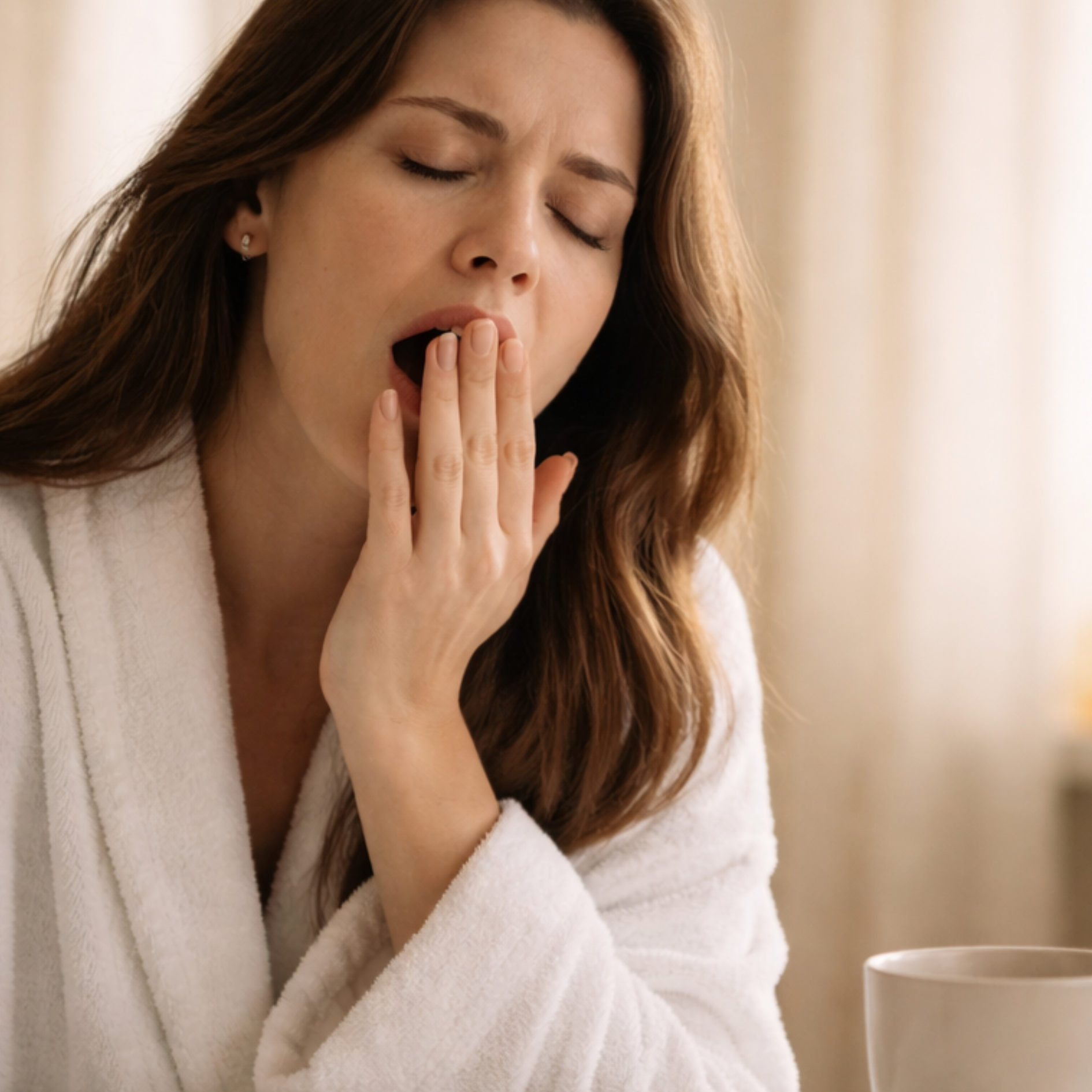
Often discussed where symptoms return in a recognisable monthly pattern.
One of the most familiar discussion areas for evening primrose oil.
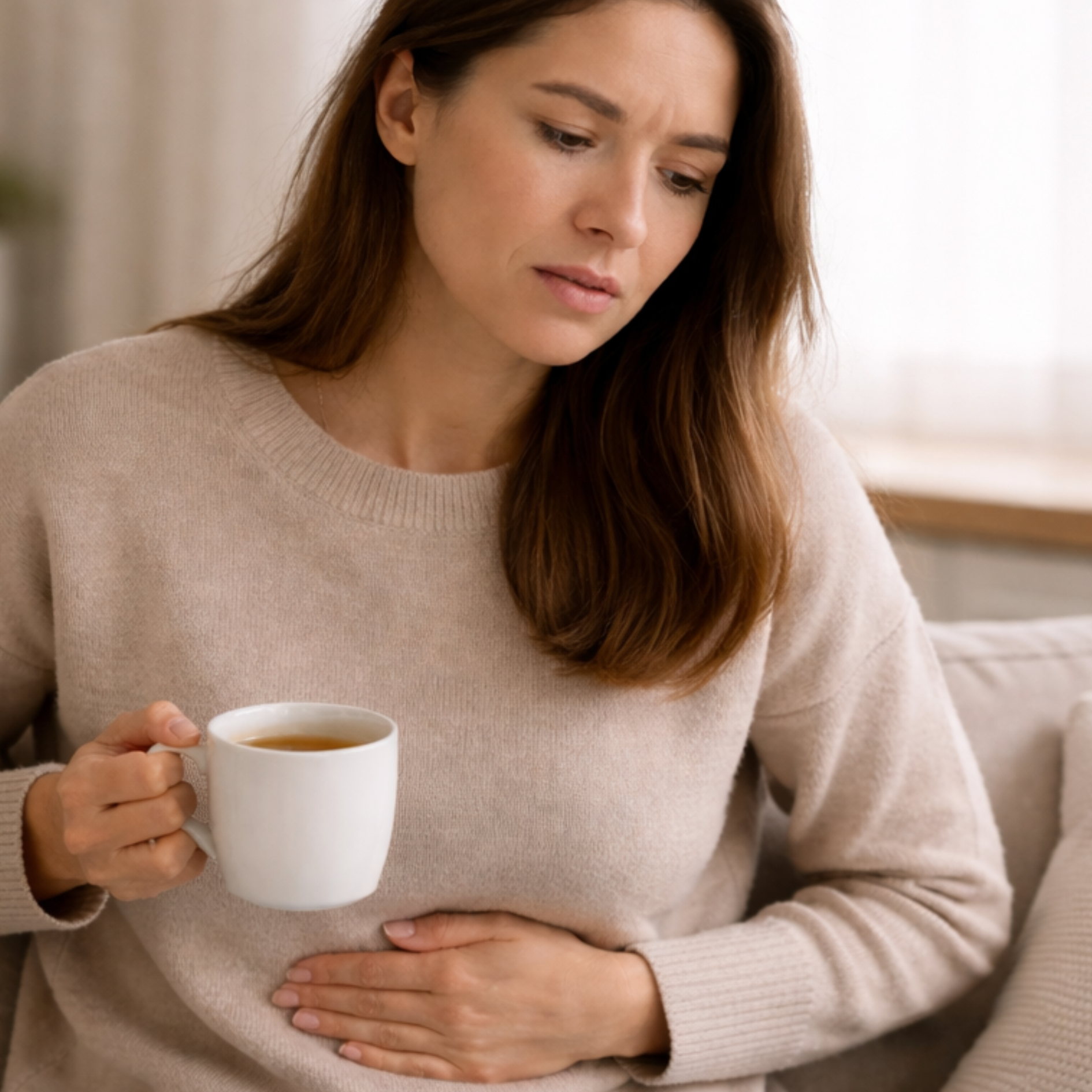
Most relevant where flare-ups appear to follow a cyclical pattern.
Sometimes considered as part of a broader comfort-focused approach.
Why it keeps coming up
Evening primrose oil tends to remain relevant because it sits in a familiar part of women’s health: many people are looking for support that feels steady, practical, and supportive rather than harsh or all-or-nothing. It is commonly considered where symptoms seem to follow a pattern rather than appear at random, especially when that pattern shows up around the menstrual cycle, the skin, or midlife hormonal change.
That makes it less of a dramatic intervention and more of a supportive option. It may have a place, but it usually makes the most sense when viewed as part of a broader women’s health strategy rather than as a standalone answer.
The phrase hormone support needs a careful explanation here. In the case of evening primrose oil, it is more useful to think in terms of support around certain cyclical or inflammation-linked concerns than to treat it as though it resolves every hormone-related issue at once.
That distinction is what keeps the topic credible. It also helps explain why some women may find it worthwhile while others notice very little.
Where it may fit best
The best fit usually depends on symptom pattern. Evening primrose oil tends to make more sense when the concern is recurring, cyclical, and part of a broader women’s health picture rather than a vague collection of unrelated symptoms.
This is one of the more familiar use areas. Where symptoms show up in a recurring monthly pattern, evening primrose oil is often considered as part of a broader support plan.
The key here is pattern. It tends to make more sense when the concern is clearly cyclical rather than random or unpredictable.
This is one of the most established traditional discussion areas for evening primrose oil. It often comes up where tenderness seems to rise and fall with the menstrual cycle.
That does not guarantee a result, but it does help explain why this remains one of the most recognised fit areas.
Where breakouts appear to cluster around the menstrual cycle, evening primrose oil may be considered as one part of a wider skin and hormone-support discussion.
It is usually less convincing as a stand-alone skin answer than as a supportive option within a broader routine.
Some women consider it during midlife hormonal change, usually for general comfort rather than as a direct answer to every menopause-related symptom.
This tends to be a more mixed and context-dependent use case, so expectations need to stay especially measured here.
Where realism matters most
Evening primrose oil may be worth considering where the goal is supportive care around PMS, cyclical tenderness, hormonal skin concerns, or menopause-related comfort. But that does not mean it should be framed as a guaranteed fix for every symptom labelled hormonal.
The more realistic expectation is that results may be modest rather than dramatic. For some women it may feel worthwhile; for others it may have little noticeable effect. Symptom type, consistency of use, overall diet, stress load, and the broader health picture all influence whether it feels relevant.
If symptoms are persistent, severe, or affecting quality of life, it is sensible to think beyond self-selection alone. Practitioner guidance can help clarify whether evening primrose oil is a reasonable fit, whether another support option makes more sense, or whether a symptom pattern deserves closer assessment.
The most useful guidance does not try to replace that judgement. It helps the reader make better decisions before and around it, while keeping one supplement in proportion to the wider women’s health picture.
Practitioner-grade support
Useful next step
These quick questions help keep the topic practical. The goal is not to inflate evening primrose oil into something it is not, but to understand where it may fit more sensibly within a women’s health routine.
Evening primrose oil is most often discussed in women’s health around PMS, cyclical breast tenderness, hormonal skin changes, and broader support through menopause-related transitions.
That is not the most helpful way to think about it. It is better understood as a supportive option that may fit certain cyclical or women’s wellbeing concerns rather than as a direct fix for every hormone issue.
That variation is not unusual. Response may depend on the type of symptom, whether it is clearly cyclical, how consistently the supplement is used, and what else is happening in the wider health picture.
It is often considered where skin flare-ups seem to follow a cyclical pattern, which is why it appears in both women’s health and skin-focused conversations.
If symptoms are persistent, severe, or affecting quality of life, practitioner guidance is useful to clarify whether evening primrose oil is appropriate or whether another approach may be more suitable.
Bring it together
Evening primrose oil continues to attract attention because it sits in a part of women’s health that many people are actively trying to navigate with more care: cyclical comfort, hormonal skin changes, menopause-related shifts, and the wider question of what supportive options may be worth considering.
The most useful way to talk about it is not through oversized hormone claims. It is through fit, context, and proportion. Evening primrose oil may have a place, but it makes the most sense when it is framed as a supportive option inside a broader wellbeing strategy rather than as a standalone answer to every hormone-related concern.
That is where the value lies: in guidance that is calmer, clearer, more specific, and more grounded in how women’s health concerns actually tend to show up in real life.
Explore further
A final note
This article is for educational purposes only and is not intended as medical advice, diagnosis, or treatment. Hormone-related symptoms can have many causes and should be assessed with qualified healthcare guidance where appropriate.
Dietary supplements should not replace a balanced diet, medical care, or personalised practitioner support. For more details, read our Health Disclaimer & Liability Notice.


OUR WAREHOUSE
26 Artisan Rd.
Seven Hills, NSW 2147
Tel: +61 2 9683 2598
Dispatch warehouse only — no public access or counter sales.
We acknowledge the Darug People of the Burramattagal as the Traditional Custodians of the land on which we work, live, and learn. We pay our respects to their Elders, past and present and extend that respect to Aboriginal and Torres Strait Islander peoples here today.


