












Table of Contents
What’s Inside
A practical guide to staying well through the holiday season without turning festive joy into digestive rebellion, exhaustion, or a slow-motion collapse on Boxing Day.
Key Takeaways
The short version
- Festive wellness is about steadiness, not perfection. You do not need to eat like a monk to avoid feeling wrecked.
- Digestion, sleep, hydration, and stress are closely linked. Ignore one and the others tend to get louder.
- Small habits matter more than dramatic resets. Regular meals, water, movement, and earlier nights still do a lot of heavy lifting.
- Travel, late nights, alcohol, rich food, and social overload can all shift how the body copes during December and early January.
- Gentle support often works better than extremes. The aim is to recover well, not punish yourself for enjoying life.
Festive Wellness Guide
Why festive wellness matters
The holiday season is meant to feel joyful, social, generous, and a little looser than usual. In reality, it can also mean heavier meals, more alcohol, later nights, disrupted routines, travel, stress, crowded schedules, and that peculiar December phenomenon where everyone is somehow meant to “relax” while doing twelve extra things a day.
This is exactly why festive wellness deserves a bit of attention. Not because you need to be restrictive or joyless, but because even a few simple supports can make the season feel far more manageable and far less punishing.
What tends to shift
The usual holiday pressure points
People often notice changes in digestion, sleep, energy, mood, hydration, and resilience during the festive period. That is not you “failing wellness.” It is usually the predictable result of routines becoming more chaotic while the body is still expected to behave like it is mid-August and thriving.
What actually helps
- eating more regularly instead of arriving ravenous to every social event
- keeping hydration up before, during, and after busy days
- protecting sleep where possible, even if bedtime shifts a little
- building in breathing space rather than running on pure adrenaline
Digestive Support
Supporting digestion when routines change
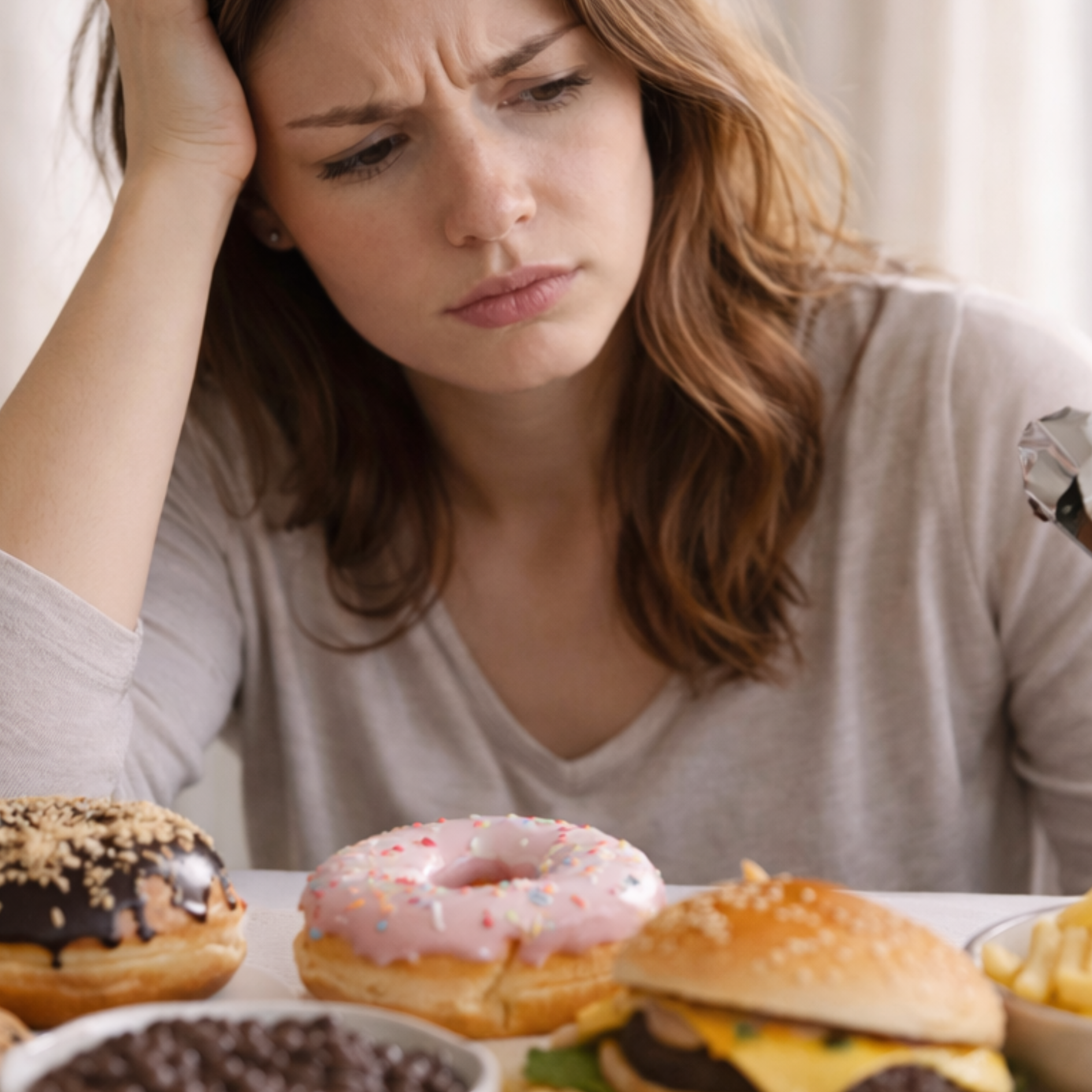
One of the quickest ways the festive season can humble a person is through digestion. Richer meals, more frequent grazing, alcohol, travel, heat, irregular timing, and eating quickly in social settings can all leave the gut feeling a bit betrayed.
Bloating, sluggishness, indigestion, excess fullness, and general digestive discomfort are common when the body is dealing with bigger meals and less routine. The issue is not always what you ate — it is often how much, how quickly, how late, and under how much stress it all happened.
What to keep in mind
The digestive system generally likes rhythm. During the holidays, that rhythm can disappear. Meals may become more erratic, portions larger, and food choices heavier or richer than usual. That does not automatically mean something is wrong — but it can mean the gut needs a little more support than usual.
Eating more slowly, sitting down properly when you can, chewing well, and not leaving massive gaps between meals can make more difference than people expect. A body that is fed calmly usually copes better than one that is starving at 5:30 pm and then asked to negotiate a buffet like it is a sporting event.
- Try not to arrive overly hungry to functions or long lunches.
- Support the basics first: water, meal timing, and a bit of movement still matter.
- Pay attention to alcohol and late eating, especially if reflux or bloating tends to show up.
- Travel can shift digestion quickly, particularly alongside dehydration and disrupted sleep.
Common festive triggers
- larger meals than usual
- eating quickly in social settings
- alcohol with less water
- extra desserts, richer foods, and later dinners
A steadier approach
- eat earlier in the day instead of “saving room”
- sip water across the day, not just at the table
- add a short walk after meals where possible
- give the gut some routine again the next day
Energy & Recovery
Managing energy without overdoing it
Festive fatigue is not always about being unfit, lazy, or “not coping well enough.” Sometimes it is simply the result of more social output, more heat, less rest, more food, more alcohol, more decisions, and a calendar that suddenly behaves like a prank.
Energy tends to fall apart when recovery disappears. That can happen even during “fun” periods. Celebrations still take energy. Travel still takes energy. Family logistics definitely take energy. The body does not always care whether the stress is glamorous.
Why energy dips happen
When meals become more irregular, sleep shifts, hydration drops, and social output rises, people often feel more flattened than expected. Add travel or hotter weather and that feeling can hit even earlier in the day.
The body usually tolerates occasional disruption well enough. What becomes harder is repeated disruption without enough time to recover. That is why the “go-go-go” festive rhythm often feels manageable at first, then suddenly a bit grim by the end of the week.
What can help
- Eat earlier and more consistently instead of relying on caffeine and pure optimism.
- Hydrate before you feel wrecked, especially during hot weather or travel.
- Protect recovery windows between events wherever possible.
- Do less when needed. Not every invitation is legally binding.
Stress Regulation
Keeping stress and overwhelm in check
The festive season can be warm, generous, connected, and meaningful. It can also be overstimulating, emotionally loaded, expensive, crowded, noisy, and frankly a bit much. Both things can be true at once.
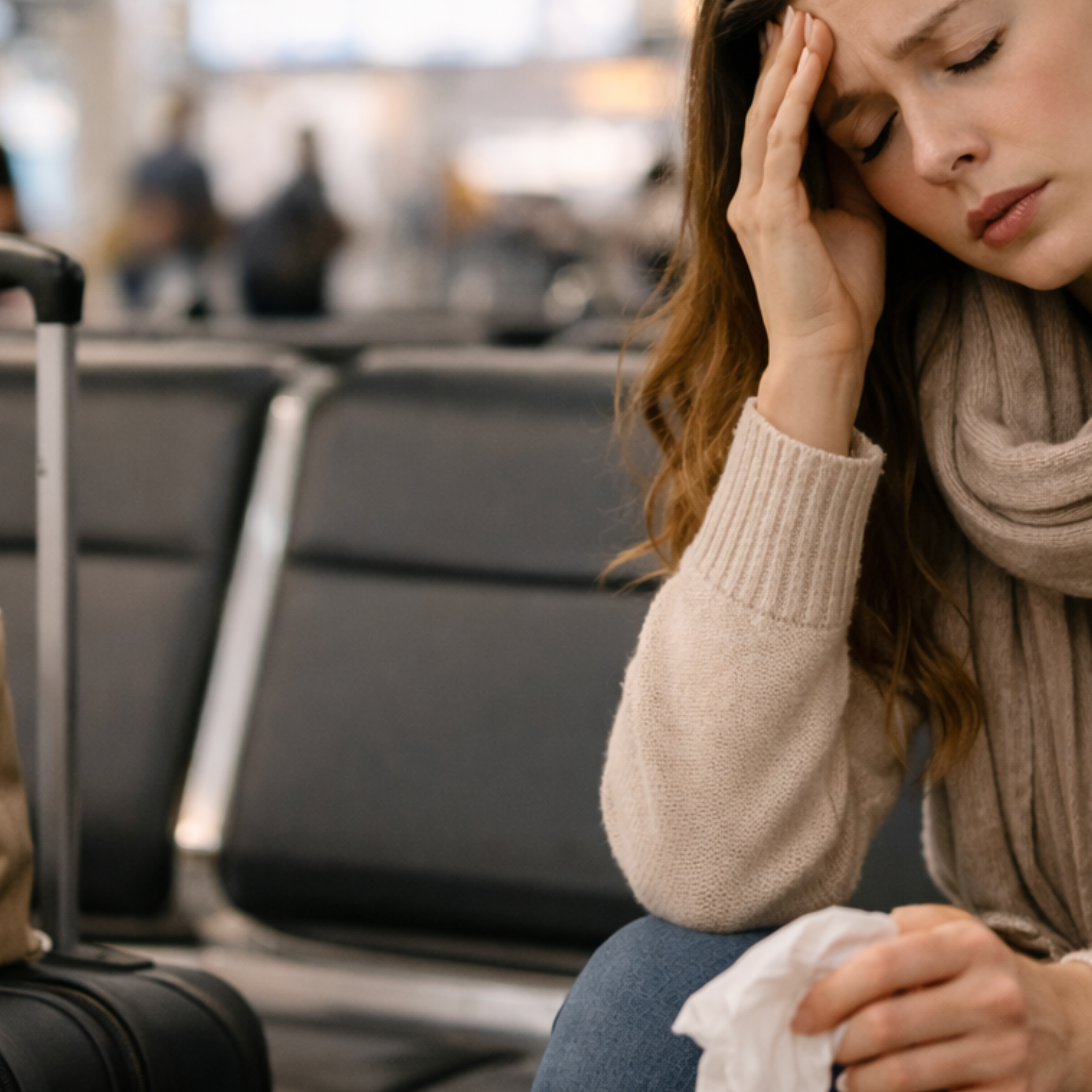
Stress during the holidays does not always look dramatic. Sometimes it shows up as irritability, wired tiredness, tension, shallow sleep, poor digestion, headaches, or that quiet feeling of wanting everyone to stop talking for ten minutes.
Emotional load
Family dynamics, grief, loneliness, financial pressure, social expectation, and end-of-year fatigue can all sit quietly underneath the surface. Not all festive stress is visible from the outside.
Nervous system signals
- feeling wired but tired
- trouble winding down at night
- snapping more easily than usual
- more digestive discomfort or tension
Gentler support ideas
Reduce stimulation where you can. Short walks, earlier nights, screen breaks, slower mornings, and lower expectations are not failures. They are often what help you enjoy the season without burning out halfway through it.
Immune Resilience
Protecting immunity during a busy season
Busy social periods tend to increase exposure, reduce sleep, disrupt routines, and stretch recovery. That is not ideal timing for immune resilience, especially if you are already run down heading into the holidays.
Supporting immunity is not about panic-buying every immune product on earth because someone sneezed near the cheese platter. It is more about the steady foundations that help the body hold up under pressure.
Core supports
Sleep
Reduced sleep can affect energy, mood, appetite, and immune resilience. Even if festive nights run later, recovery matters.
Hydration
Hot weather, alcohol, travel, and long days can all increase fluid needs. Dehydration tends to make everything feel worse.
Food quality
The season does not need to be nutritionally perfect, but regular meals, protein, fruit, vegetables, and fluid intake still help stabilise how you feel.
Stress load
Higher emotional and physical stress can shift sleep, digestion, and recovery. Supporting the nervous system often supports resilience more broadly too.
Useful mindset: immunity is often protected by what looks unremarkable from the outside — decent sleep, enough water, enough food, and not driving yourself into the floor before New Year’s Day.
Simple Habits
Simple habits that make the season easier
When routines get messy, the most helpful supports are usually the ones that are easy to repeat. Not heroic. Not puritanical. Just repeatable enough to keep you functioning.
Do not skip the basics
Eat something before events, drink water during the day, and try not to run on coffee and festive delusion alone.
Move a little, even if lightly
Short walks, stretching, time outside, or gentle movement can support digestion, mood, circulation, and a sense of sanity.
Leave room to recover
Not every day needs to be fully scheduled. Some of the best festive decisions are the ones you decline.
Reset gently the next day
Go back to water, meals, light movement, and sleep. You do not need punishment. You need re-entry.
Extra Support
When extra support may help
Some people move through the festive season with only a few minor wobbles. Others already know December tends to bring digestive discomfort, poor sleep, lower resilience, stress spikes, or a general sense that the wheels are starting to loosen.
In those cases, more targeted support may be worth considering. The point is not to over-medicalise the holidays. It is to recognise that some bodies are simply more sensitive to routine disruption, travel, heat, rich food, lower sleep, or emotional load.
A more personalised lens
If you tend to notice digestive heaviness, irregularity, bloating, low mood, poor sleep, immune wobbles, or stress-related flare-ups during busy periods, it may help to think ahead rather than waiting until you feel completely flattened.
That support may look like planning meals better, reducing overload, adjusting expectations, or considering practitioner-guided nutritional support where appropriate. It is often easier to stay steady than to recover after the crash.
It is also worth remembering that recurring symptoms are not always just “holiday stuff.” If something feels persistent, unusually strong, or hard to shake, more individual advice may be sensible.
You may benefit from more support if you often notice:
- digestive upset after rich or social meals
- sleep disruption that lingers for days
- frequent fatigue during busy periods
- stress that affects appetite, mood, or gut comfort
Related Products


Frequently Asked Questions
FAQ
A few common questions tend to come up around festive eating, energy, stress, and recovery — usually somewhere between the second dessert and the first “I’ll start fresh in January.”
A simple festive checklist
- Eat regularly so you are not arriving starving to every event.
- Hydrate early instead of realising too late that you have had coffee, wine, and vibes but no water.
- Protect sleep where possible, even if the schedule shifts.
- Use the next day for recovery, not self-punishment.
- Scale back where needed. Not everything requires your attendance, energy, or digestive system.
- Keep alcohol in proportion by spacing drinks out and having water alongside them.
- Do not stack every social plan together if you already know your energy or stress tolerance has limits.
Is it normal to feel more bloated or sluggish during the holidays?
Yes. Richer food, larger portions, more social eating, alcohol, travel, and disrupted timing can all influence digestion. It is common, even if it is not especially charming.
Do I need to be strict with food to stay well over Christmas?
Not usually. A steadier approach tends to work better than swinging between overindulgence and overcorrection. Regular meals, hydration, movement, and sleep often make the biggest difference.
Why do I feel more tired even when I’m meant to be relaxing?
Because “festive” does not always mean restful. More people, more plans, more stimulation, later nights, heat, travel, and emotional load can all add up quickly.
Can stress affect digestion during the holiday season?
Absolutely. Stress can influence both digestive comfort and sleep quality, which is why nervous-system support matters just as much as food choices during a busy season.
Should I “detox” after Christmas or New Year?
For most people, returning to steady routines is more helpful than extreme restriction. Recovery usually works better than swinging into punishment mode.
When should I seek professional advice?
If digestive symptoms, fatigue, poor sleep, or stress feel persistent, worsening, or unusually hard to manage, more personalised support may be appropriate.
Closing Thoughts
Conclusion
Festive wellness does not need to mean strict routines, guilt, or trying to out-discipline December. A more useful approach is to support digestion, sleep, energy, hydration, and recovery well enough that the season remains enjoyable without completely flattening you in the process.
The goal is not to control every meal, every plan, or every late night. It is to stay anchored to a few important habits so the season feels more balanced, more manageable, and a lot less punishing on the other side.
Often, the people who feel best through the holidays are not the ones doing everything perfectly. They are usually the ones who protect a few basics consistently: enough food, enough water, enough rest, enough breathing room, and enough honesty to notice when their body is asking for support.
Festive seasons come and go, but the way you move through them matters. A gentler, steadier approach often works better than extremes — and is far more likely to leave you feeling like yourself when the calendar settles down again.
Related Reads


Important Information
Important Information
Disclaimer
This article is intended for general educational purposes only and is not a substitute for individual medical advice, diagnosis, or treatment. Health needs can vary significantly from person to person, particularly during periods of stress, travel, dietary change, or disrupted sleep.
Nutritional and supplemental support may not be suitable for everyone. If you are pregnant, breastfeeding, taking medication, managing a health condition, or experiencing symptoms that are persistent, worsening, or unclear, seek advice from a qualified healthcare practitioner before making changes.
GhamaHealth aims to provide practical, balanced wellness information, but articles on this website should be read alongside appropriate professional guidance where needed. You can also review our broader Health Disclaimer & Liability Notice for more information.
References
- National Institute of Diabetes and Digestive and Kidney Diseases (NIDDK). Indigestion (Dyspepsia).
- National Institute of Diabetes and Digestive and Kidney Diseases (NIDDK). Gas in the Digestive Tract.
- National Institute of Diabetes and Digestive and Kidney Diseases (NIDDK). Eating, Diet, & Nutrition for Gas in the Digestive Tract.
- Centers for Disease Control and Prevention (CDC). About Sleep.
- Centers for Disease Control and Prevention (CDC). Sleep – Chronic Disease Indicators.
- Centers for Disease Control and Prevention (CDC). Healthy Habits: Enhancing Immunity.
- Better Health Channel. Gut Health.
- Better Health Channel. Water – A Vital Nutrient.
- Better Health Channel. Healthy Eating and Diet.
- Better Health Channel. Alcohol and Weight Gain.
- National Center for Complementary and Integrative Health (NCCIH). Colds, Flu, and Complementary Health Approaches.
- National Center for Complementary and Integrative Health (NCCIH). Complementary Health Approaches for Travelers.


