




















Cellular protection
Glutathione helps neutralise oxidative stress and supports the body’s internal antioxidant network.
Explore common health concerns and discover practitioner-grade nutritional support tailored to help restore balance and support your overall wellbeing.
Health concerns rarely arrive in neat little boxes. If more than one area feels relevant, begin with the pattern affecting daily life the most — energy, sleep, digestion, mood, immunity, or hormonal balance.
Persistent, worsening, unexplained, or sudden symptoms should be discussed with a qualified health professional, especially when medication, pregnancy, breastfeeding, or existing health conditions are involved.
For customers who value better guidance, clearer choices, and a more thoughtful way to shop practitioner-grade wellness.

●Article Guide
●Key Takeaways
Glutathione injections are often promoted for skin brightening, detox support, energy, immunity and anti-ageing. The marketing can sound polished, but the safety conversation is much less glamorous.
Glutathione itself is not the problem. It is a naturally occurring antioxidant produced by the body and used in important cellular processes. The concern is the jump from “glutathione is important” to “injectable glutathione is the best or safest way to support health.”
For most people researching general wellness, skin appearance, antioxidant support or detox pathways, the safer conversation starts with nutrition, lifestyle and non-injectable support. Injectable glutathione should only be considered under appropriate medical supervision where there is a genuine clinical reason, not because a clinic menu presents it as a quick cosmetic upgrade.
What It Does
Glutathione is a small antioxidant made from amino acids. It helps protect cells from oxidative stress, supports detoxification pathways and helps recycle other antioxidants. The body makes and uses glutathione continuously, especially in the liver and other metabolically active tissues.
Glutathione helps neutralise oxidative stress and supports the body’s internal antioxidant network.
The liver uses glutathione in detoxification processes, but detox support is not as simple as adding more through a needle.
Glutathione is involved in immune cell function and inflammatory balance, especially during periods of stress or high demand.
Claims vs Evidence
The most common claims around glutathione injections involve skin brightening, detoxification, energy, immune support and anti-ageing. Some of these claims connect to real glutathione biology, but the injection route, dose, frequency and long-term safety profile are separate questions.
Often marketed as “glow” or complexion support.
Glutathione may influence melanin pathways, which is why it is discussed in pigmentation research.
Effects can vary, may be temporary, and cosmetic injectable use raises safety and supervision concerns.
Frequently promoted as liver or cellular detox.
Glutathione is genuinely involved in liver detoxification pathways.
“Detox” marketing can oversimplify liver function. More glutathione is not automatically better.
Often linked to mitochondria and oxidative stress.
Oxidative stress and mitochondrial function are relevant to energy and ageing biology.
That does not prove injections are necessary, suitable or superior for general wellness.
Glutathione is important for immune cell function.
Supporting glutathione status may form part of broader nutritional support.
Injections should not be presented as an immune shortcut or substitute for medical care.
Risks
Injections bypass the normal digestive route and depend heavily on dose, product quality, sterile handling, practitioner training and emergency readiness. That matters because adverse reactions can happen quickly, and cosmetic drip settings may not always have the same safety controls as a proper medical environment.
Safety data is not strong enough for casual cosmetic or wellness use during pregnancy or breastfeeding.
Anyone with liver or kidney disease should avoid self-directed injectable use and seek medical advice.
Injectable treatments can trigger allergic reactions, including rare severe reactions requiring urgent care.
If the provider cannot manage an emergency reaction, infection risk or adverse event, the setting is not appropriate.
Using injections purely for skin lightening should be approached with caution due to safety and evidence concerns.
People taking medication or managing chronic conditions should discuss glutathione support with a qualified healthcare professional.
Delivery Methods
The question is not only “does glutathione work?” It is also: what form, what dose, for whom, and with what level of supervision? For general wellness support, non-injectable approaches are usually the more sensible starting point.
Each route has a different role. Injectable use belongs in a medical context, while food, lifestyle and oral nutrient support are more appropriate for everyday antioxidant and glutathione pathway support.
Protein, cruciferous vegetables, garlic, onions, asparagus and avocado can support the body’s glutathione pathways.
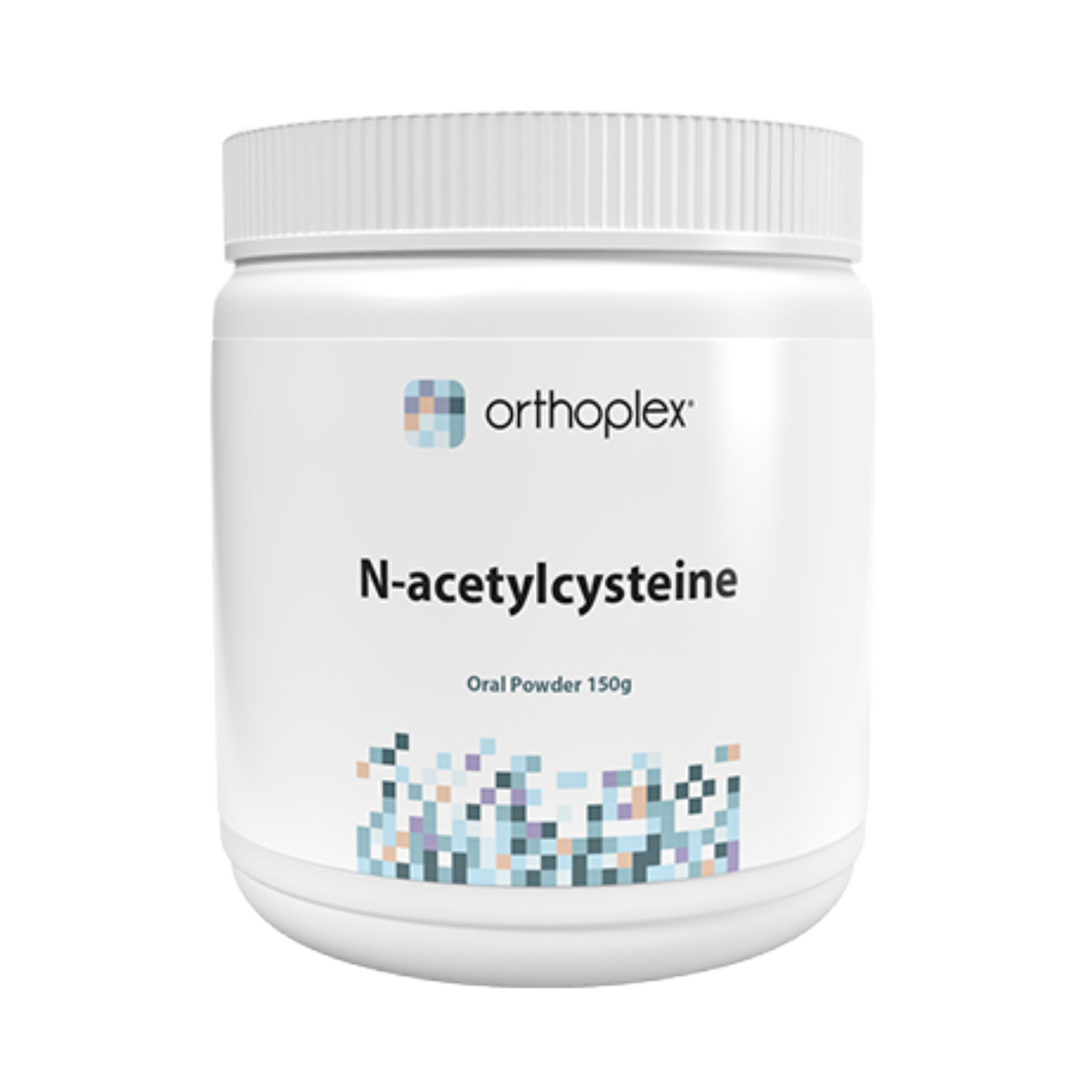
N-acetyl cysteine and glycine provide building blocks the body uses to make glutathione.
Oral liposomal forms may be used when direct glutathione support is preferred without injection-related risks.
Injectable glutathione should only be considered under qualified medical supervision for appropriate clinical reasons.
Safer Support
A more balanced approach is to support the body’s own glutathione production and recycling. This may include nutrition, sleep, stress reduction and targeted nutrients where appropriate.
Glutathione is made from amino acids, so adequate protein intake matters.
Broccoli, cabbage, cauliflower and Brussels sprouts support liver-related nutritional pathways.
These nutrients provide key building blocks used in glutathione synthesis.
These nutrients help support antioxidant recycling and glutathione-related function.
Poor sleep, high stress and heavy alcohol intake can increase oxidative burden.
Realistic Expectations
Glutathione support is not an overnight transformation. For most people, the goal is steady antioxidant, liver pathway and cellular support — not instant skin change or dramatic “detox” results.
Focus on consistency: protein, sleep, hydration, colourful foods and suitable nutrients. Changes may be subtle.
Some people may notice steadier energy, better recovery or skin texture changes, depending on baseline health and routine.
Long-term support comes from repeatable habits, not aggressive short-term treatment cycles or unregulated injection routines.
FAQs + Checklist
These FAQs explain the difference between glutathione as a nutrient-related antioxidant and glutathione injections as a higher-risk delivery method.
Glutathione injections should not be treated as a casual wellness or cosmetic treatment. Safety depends on the clinical reason, product quality, dose, supervision, sterile handling and emergency readiness. Cosmetic use for skin lightening has raised safety concerns.
Glutathione may influence melanin pathways, which is why it is discussed in skin-brightening research. However, results vary, may be temporary, and cosmetic injection use raises important safety and regulatory concerns.
For general wellness support, oral glutathione, liposomal glutathione or glutathione-supportive nutrients may be a more appropriate starting point than injections. Injections should be reserved for medically supervised situations where there is a clear clinical reason.
Adequate protein, NAC, glycine, selenium, vitamin C, cruciferous vegetables, sleep and lower oxidative stress may support the body’s own glutathione production and recycling pathways.
People who are pregnant, breastfeeding, managing liver or kidney disease, prone to severe allergies, taking medication, or seeking injections only for cosmetic skin lightening should avoid self-directed use and seek medical advice.
No. Glutathione is involved in detoxification pathways, but that does not mean injections are necessary for detox support. The liver also needs adequate nutrition, sleep, protein, hydration and reduced exposure to unnecessary stressors.
Conclusion
Glutathione is a genuinely important antioxidant involved in cellular protection, detoxification pathways and immune function. The body makes it for a reason, and supporting healthy glutathione status can be a sensible part of a broader wellness routine.
The problem is the shortcut narrative. Glutathione injections are often promoted for skin brightening, detox and anti-ageing, but cosmetic injectable use carries safety, supervision, dosing and regulatory concerns. For most people, the safer conversation begins with food, sleep, protein, NAC, glycine, selenium, vitamin C and carefully selected oral support.
GhamaHealth summary: support glutathione pathways intelligently. Keep injections in the medical lane, not the beauty hype lane.
Related Reads
Important Information
This article provides general educational information only and does not replace personalised medical advice, diagnosis or treatment. It does not recommend or promote injectable glutathione for cosmetic skin lightening, detoxification or general wellness use.
Injectable treatments should only be considered under qualified medical supervision where there is a genuine clinical reason and appropriate safety procedures are in place. Seek medical advice before using glutathione products if pregnant, breastfeeding, taking medication, managing liver or kidney conditions, immune disorders, allergies or any diagnosed medical condition.
Supplements should not replace a balanced diet, sleep, hydration, medical care or prescribed treatment. Always read product labels, directions, warnings, allergen information and storage instructions before use.
For our full Health Disclaimer & Liability Notice, please visit: Health Disclaimer.


OUR WAREHOUSE
26 Artisan Rd.
Seven Hills, NSW 2147
Tel: +61 2 9683 2598
Dispatch warehouse only — no public access or counter sales.
We acknowledge the Darug People of the Burramattagal as the Traditional Custodians of the land on which we work, live, and learn. We pay our respects to their Elders, past and present and extend that respect to Aboriginal and Torres Strait Islander peoples here today.


