



















Demand rises
Training, stress, poor sleep, rapid weight change or emotional pressure increase the body’s total load.
Explore common health concerns and discover practitioner-grade nutritional support tailored to help restore balance and support your overall wellbeing.
Health concerns rarely arrive in neat little boxes. If more than one area feels relevant, begin with the pattern affecting daily life the most — energy, sleep, digestion, mood, immunity, or hormonal balance.
Persistent, worsening, unexplained, or sudden symptoms should be discussed with a qualified health professional, especially when medication, pregnancy, breastfeeding, or existing health conditions are involved.
For customers who value better guidance, clearer choices, and a more thoughtful way to shop practitioner-grade wellness.

●Article Guide
●Key Takeaways
A missing period can feel confusing, frustrating or even alarming – especially when everything seems fine on the surface. In many cases, the body is not failing. It is protecting.
Functional Hypothalamic Amenorrhea (FHA) is the body’s built-in safety switch. When the brain senses too much stress, not enough nourishment, intense training load or poor recovery, it may conserve energy by pausing the menstrual cycle.
This pause does not mean the body is broken. It means the hypothalamus is paying attention. Reproduction is placed temporarily on hold while the body prioritises more immediate survival needs, such as energy balance, stress adaptation and recovery.
FHA is best understood as a body-safety response. The hypothalamus reads nourishment, training load, sleep, stress and recovery. When resources feel too low, it slows reproductive hormone signalling until the body receives steadier signs of safety again.
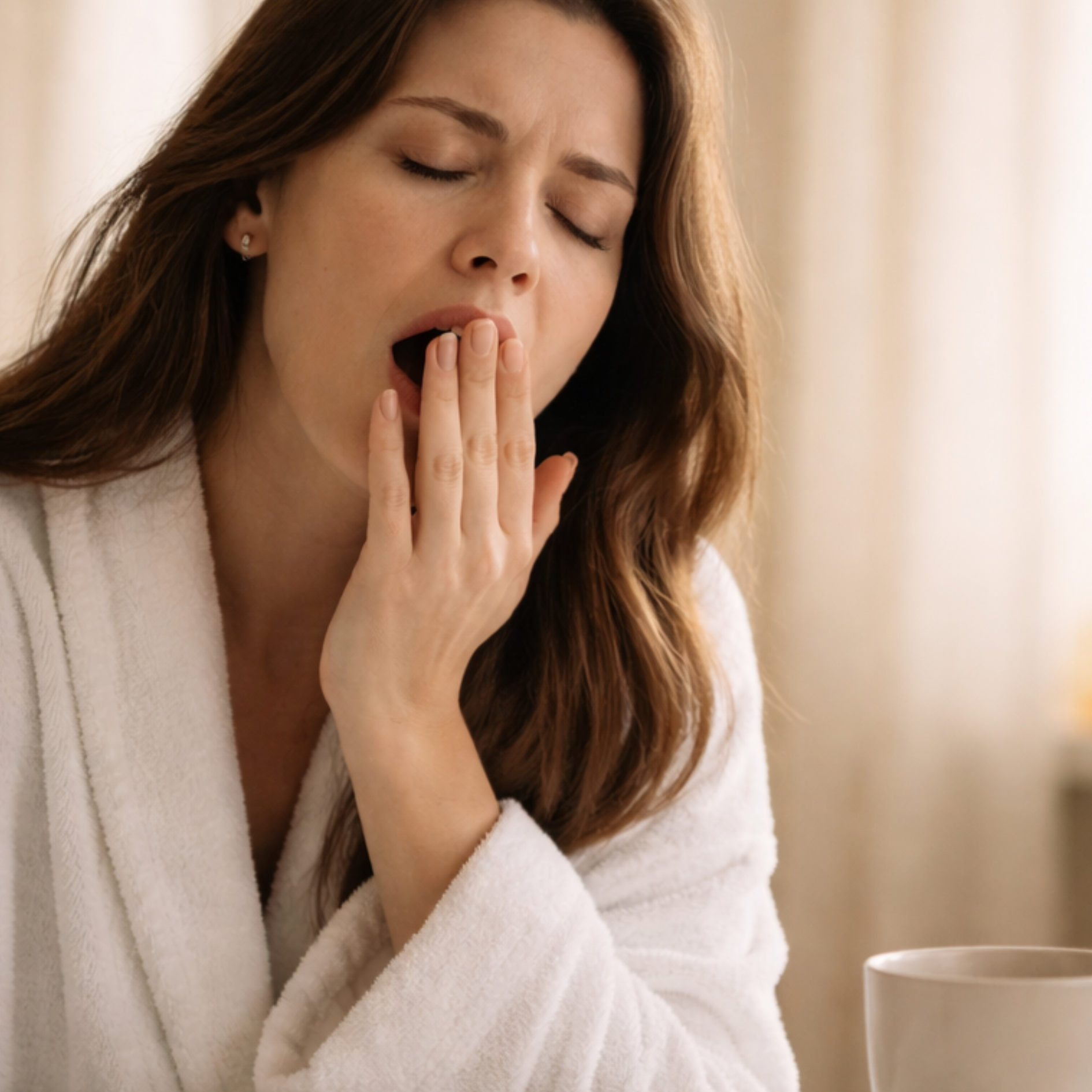
Training, stress, poor sleep, rapid weight change or emotional pressure increase the body’s total load.
The brain senses that fuel, rest or stability may not be enough to support reproduction safely.
GnRH pulses reduce, lowering the communication between the brain and ovaries.
Ovulation becomes irregular or stops, and periods may become lighter, delayed or absent.
What FHA Means
Functional Hypothalamic Amenorrhea is a reversible condition where the hypothalamus reduces or stops the hormone signals required for ovulation. This can lead to missing or irregular periods, not because the reproductive organs are necessarily damaged, but because the body senses that resources or safety are low.
Because FHA is “functional,” it does not usually mean the ovaries or reproductive organs are damaged. It means the brain has reduced the rhythm of signalling that normally supports ovulation.
FHA should not be guessed from symptoms alone. Pregnancy, PCOS, thyroid changes, prolactin changes and other causes of missing periods need to be ruled out by a qualified health professional.
Cycle Communication Loop
To understand FHA, it helps to understand the basic communication loop that supports a healthy menstrual cycle. The cycle is not random. It depends on a chain of messages between the brain and the ovaries.
The hypothalamus sends rhythmic GnRH pulses. These pulses act like the start signal for the reproductive hormone system.
The pituitary responds by releasing LH and FSH, which help stimulate the ovaries and support ovulation.
The ovaries produce estrogen and progesterone, supporting ovulation, cycle rhythm and the uterine lining.
When GnRH pulses slow, ovulation may become irregular or stop, and menstrual bleeding may become delayed or absent.
Stress, Food and Training Load
FHA is rarely caused by one single factor. It usually develops when the body senses a mismatch between what life is demanding and what the body is receiving. Food intake, exercise, stress, sleep and body changes can all contribute to the same low-safety message.
The hypothalamus does not only respond to body weight. It responds to energy availability, training stress, emotional pressure, sleep quality and recovery. Someone can appear healthy on the outside while the body still feels under-resourced.
Eating too little, skipping meals, delaying food or following restrictive eating patterns can reduce the energy available for hormone signalling.
Frequent intense workouts, long sessions or limited rest days can increase the body’s stress load, especially when food intake is not enough.
Workload, study pressure, anxiety, grief, perfectionism or ongoing emotional strain can affect hypothalamic signalling.
Short sleep, restless nights and not enough downtime can reduce the body’s sense of safety and slow recovery signals.
Body Signs and Symptoms
The menstrual cycle is often the clearest signal, but the body may send quieter messages before or alongside the missing period. These signs can suggest the system is operating under low energy availability, high stress load or reduced hormone rhythm.
Periods may become lighter, delayed, unpredictable or absent for several months when ovulation is disrupted.
Feeling cold often, low stamina, fatigue or poor recovery may suggest the body is conserving energy.
Anxiety, irritability, low mood, lighter sleep or night waking may appear when stress load and hormone rhythm are affected.
Hair thinning, digestive sensitivity, low libido or reduced appetite cues can also appear when the body is under-resourced.
How FHA Is Assessed
Functional Hypothalamic Amenorrhea should not be self-diagnosed from a missing period alone. Because several conditions can affect menstrual rhythm, FHA is usually considered after pregnancy, PCOS, thyroid changes, prolactin changes and other medical causes have been checked.
A practitioner may review cycle timing, training load, eating patterns, stress, sleep, weight change and other body signals.
Blood tests may include LH, FSH, estrogen, thyroid markers, prolactin and other checks depending on symptoms and history.
Pregnancy, PCOS, thyroid changes, prolactin changes and other medical causes need to be considered before assuming FHA.
If periods have been absent for several months, bone-health assessment may be recommended because low estrogen can affect bone density over time.
Recovery Foundations
FHA recovery is not about forcing the body to restart a period quickly. It is about giving the brain enough consistent signs of nourishment, rest and safety so reproductive hormone signalling can return naturally over time.
The hypothalamus needs steady fuel to support hormone signalling. Many people with FHA are not deliberately under-eating; they may simply not be meeting the energy demands of training, work, stress and daily life.
High-intensity or high-volume exercise can suppress hormonal rhythm when energy availability is low. Emotional stress can also send the hypothalamus the same low-safety message.
Supplements may help support general wellbeing when there are specific gaps, but they do not replace adequate food intake, rest, reduced stress, adjusted training or professional assessment.
Recovery Milestones
FHA recovery is not always a straight line. The first signs of progress may appear quietly before the first bleed returns. These changes can suggest that the body is beginning to feel safer, better nourished and more supported.
Warmer hands and feet, less cold sensitivity and steadier body warmth may suggest improved energy signalling.
Feeling hungry more regularly can be a sign that the body is beginning to trust food availability again.
Deeper sleep, fewer night wakings and improved emotional steadiness may appear as total stress load reduces.
Cervical mucus changes, breast tenderness or basal body temperature shifts may appear before the first period returns.
When To Seek Help
Many people can begin FHA recovery by adjusting nourishment, training, stress and rest. But missing periods should still be taken seriously, especially when they continue for several months or appear alongside fatigue, dizziness, food restriction, overtraining or emotional distress.
FAQs + Checklist
These questions cover stress, exercise, recovery time, fertility, PCOS differences, supplements and early signs that the cycle may be returning.
Yes. Psychological stress can reduce hypothalamic signalling in a similar way to low energy intake or physical strain. The brain may interpret ongoing stress as a reason to conserve energy and pause reproductive hormone rhythm.
Not always. Many people need to reduce intensity, volume or frequency rather than stop movement completely. The goal is lowering total stress load while supporting nourishment, rest and recovery.
Recovery varies. Some people notice early changes within weeks, while others need several months of consistent nourishment, lower stress, adjusted training and better recovery before cycles return.
In many cases, fertility returns once ovulation resumes. If pregnancy is desired, cycles have been absent for several months, or there are other symptoms, medical guidance is important.
No. FHA and PCOS can both involve irregular or missing periods, but their hormone patterns and drivers are different. A GP or women’s health practitioner can help distinguish them using history, blood tests and other checks.
Supplements may support general wellbeing or help correct specific gaps, but they cannot replace adequate food intake, rest, lower stress, adjusted exercise and proper assessment.
Not always, but some people do need weight or body-fat restoration. The deeper goal is improving energy availability so the body feels adequately resourced again.
Early signs may include warmer body temperature, stronger hunger cues, improved sleep, steadier mood, cervical mucus changes or basal body temperature shifts before the first period returns.
Related Products

Fatty acid support option for general wellbeing and recovery-focused routines.

Magnesium option for nervous system, muscle and relaxation support routines.

Vitamin D support option for general wellbeing and bone-health routines.

General hormone-transition support option. Check suitability before use.
Conclusion
When the menstrual cycle pauses, it can feel frustrating, confusing or even upsetting. But Functional Hypothalamic Amenorrhea is not usually a sign that the body has failed. It is often a sign that the body is protecting itself during a period of low resources, high stress or inadequate recovery.
The hypothalamus is not shutting the body down without reason. It is responding to the signals it receives from food intake, exercise load, sleep, stress, body changes and emotional pressure. When those signals become steadier and safer, the reproductive hormone rhythm can often begin to return.
Recovery usually requires patience. Consistent nourishment, gentler training, better rest, stress support and professional guidance can help rebuild the conditions the body needs to feel safe again.
GhamaHealth summary: FHA recovery is a partnership with the body. The cycle pause is a message, and the response is steady nourishment, rest, reduced pressure and supportive care.
Related Reads
Important Information
This article provides general educational information only and is not a substitute for personalised medical advice, diagnosis or treatment. Functional Hypothalamic Amenorrhea (FHA) and menstrual changes can have many different causes, and it is important to discuss symptoms with a qualified healthcare professional who can assess individual circumstances.
If pregnant, breastfeeding, trying to conceive, experiencing unexpected cycle changes, managing a medical condition or taking prescription medication, seek appropriate guidance before making changes to diet, exercise, routines or supplement use.
Seek medical advice if periods have stopped, cycles have become irregular, symptoms are persistent, or there is uncertainty about whether symptoms may relate to FHA, PCOS, thyroid changes, pregnancy, prolactin changes, premature ovarian insufficiency or another health concern.
Supplements should not replace adequate food intake, rest, stress support, adjusted training, medical care, prescribed treatment, mental health support or professional assessment. Always read the label and follow directions for use.
For our full Health Disclaimer & Liability Notice, please visit: Health Disclaimer & Liability Notice.


OUR WAREHOUSE
26 Artisan Rd.
Seven Hills, NSW 2147
Tel: +61 2 9683 2598
Dispatch warehouse only — no public access or counter sales.
We acknowledge the Darug People of the Burramattagal as the Traditional Custodians of the land on which we work, live, and learn. We pay our respects to their Elders, past and present and extend that respect to Aboriginal and Torres Strait Islander peoples here today.


