















HSV-1
HSV-1 is commonly associated with cold sores or fever blisters around the lips and mouth.
It can also be passed to the genital area through oral contact and cause genital herpes.
Explore common health concerns and discover practitioner-grade nutritional support tailored to help restore balance and support your overall wellbeing.
Health concerns rarely arrive in neat little boxes. If more than one area feels relevant, begin with the pattern affecting daily life the most — energy, sleep, digestion, mood, immunity, or hormonal balance.
Persistent, worsening, unexplained, or sudden symptoms should be discussed with a qualified health professional, especially when medication, pregnancy, breastfeeding, or existing health conditions are involved.
For customers who value better guidance, clearer choices, and a more thoughtful way to shop practitioner-grade wellness.

●Article Guide
●Key Takeaways
Herpes is common, manageable and far from a life-defining condition. For many people, the biggest challenge is not only the virus itself, but the pattern around it: stress, fatigue, recurrence and the emotional weight attached to the diagnosis.
A natural support approach does not replace medical diagnosis or antiviral treatment when needed. It may, however, support general wellbeing, sensible recovery habits and the broader lifestyle factors that often sit around recurring flare-ups.
Herpes simplex remains in the body after infection and may reactivate later. Some people experience noticeable outbreaks, while others have mild symptoms or no symptoms at all.
The practical goal is not to chase miracle cures. It is to confirm the diagnosis, use appropriate treatment, reduce transmission risk and choose complementary support with realistic expectations.
Understanding the Virus
Herpes simplex virus has two main types: HSV-1 and HSV-2. HSV-1 is more commonly associated with oral herpes, including cold sores, while HSV-2 is more often linked with genital herpes. However, either type can affect the mouth or genital area.
HSV-1 is commonly associated with cold sores or fever blisters around the lips and mouth.
It can also be passed to the genital area through oral contact and cause genital herpes.
HSV-2 is more often associated with genital herpes and intimate skin-to-skin transmission.
Recurring genital outbreaks are generally more common with HSV-2 than with genital HSV-1, although individual patterns vary.
Herpes is often discussed as though it is rare or unusual. It is not. Symptoms can also appear days or years after infection, so a first recognised outbreak does not reliably establish when transmission occurred.
Why Flare-Ups Happen
After the first infection, the virus remains inactive in nerve tissue and may reactivate later. Some people notice a consistent trigger pattern, while others do not.
Periods of sustained emotional pressure may coincide with recurrence in some people.
Outbreaks may appear when recovery has been poor or the body has been under prolonged strain.
Another infection or period of reduced resilience may coincide with reactivation.
Ultraviolet exposure is a recognised trigger for some people with recurring cold sores.
Some individuals notice outbreaks around menstruation or other hormonal shifts.
Local irritation may contribute to recurrence around previously affected areas.
Recurrence does not mean you have done something wrong. Trigger awareness can be useful, but it should not become a reason to blame yourself or obsess over every ordinary sensation.
Symptoms and Diagnosis
Symptoms vary. A first recognised outbreak may be more intense, while later recurrences can be shorter or milder. Some people have no obvious symptoms.
A healthcare professional may assess herpes from the history, symptoms and examination.
When a blister or ulcer is present, a swab from the lesion for PCR or another nucleic acid amplification test is generally the preferred confirmation method for genital herpes.
Blood testing is not routinely recommended and is usually reserved for selected situations because it cannot always establish where or when infection occurred.
Seek medical advice while symptoms are active. Treatment for a moderate-to-severe initial genital outbreak should not be delayed while waiting for test results.
Treatment and Management
Medical management focuses on reducing symptoms, shortening outbreaks, supporting comfort and, in selected cases, reducing recurrence or transmission risk.
These medicines may be used for a first episode, started promptly during a recurrence or taken as daily suppressive treatment when clinically appropriate.
For people using episodic antiviral treatment, starting during the tingling, itching or burning stage may provide the greatest benefit.
Suppressive antiviral therapy can reduce recurrence and may lower the risk of transmitting genital HSV-2 to a partner.
Depending on the location and individual circumstances, regular analgesia, cool compresses, warm baths and avoiding local irritation may help with comfort.
Persistent symptoms despite treatment may have another cause and should not automatically be assumed to be herpes.
Natural Support Options
Natural products are best viewed as optional support for general wellbeing, comfort and recovery rather than as substitutes for diagnosis or prescribed treatment.
Lysine is widely discussed for herpes support. Some research suggests possible benefit for recurrence in selected people, but the overall evidence remains mixed and dose-dependent.
Topical Melissa officinalis preparations have been studied for recurring cold sores. Evidence is limited, and a properly formulated topical product should be used as directed.
Adequate protein, micronutrients and a varied diet support normal immune function. More is not automatically better, and unnecessary supplement stacking can create overlap.
Where outbreaks appear to track with stress, improving sleep, recovery and practical stress management may help reduce the conditions that surround recurrence.
If you are pregnant, breastfeeding, immunocompromised, taking prescription medication or experiencing frequent or severe outbreaks, seek professional guidance before introducing supplements or herbal products.
Related Products
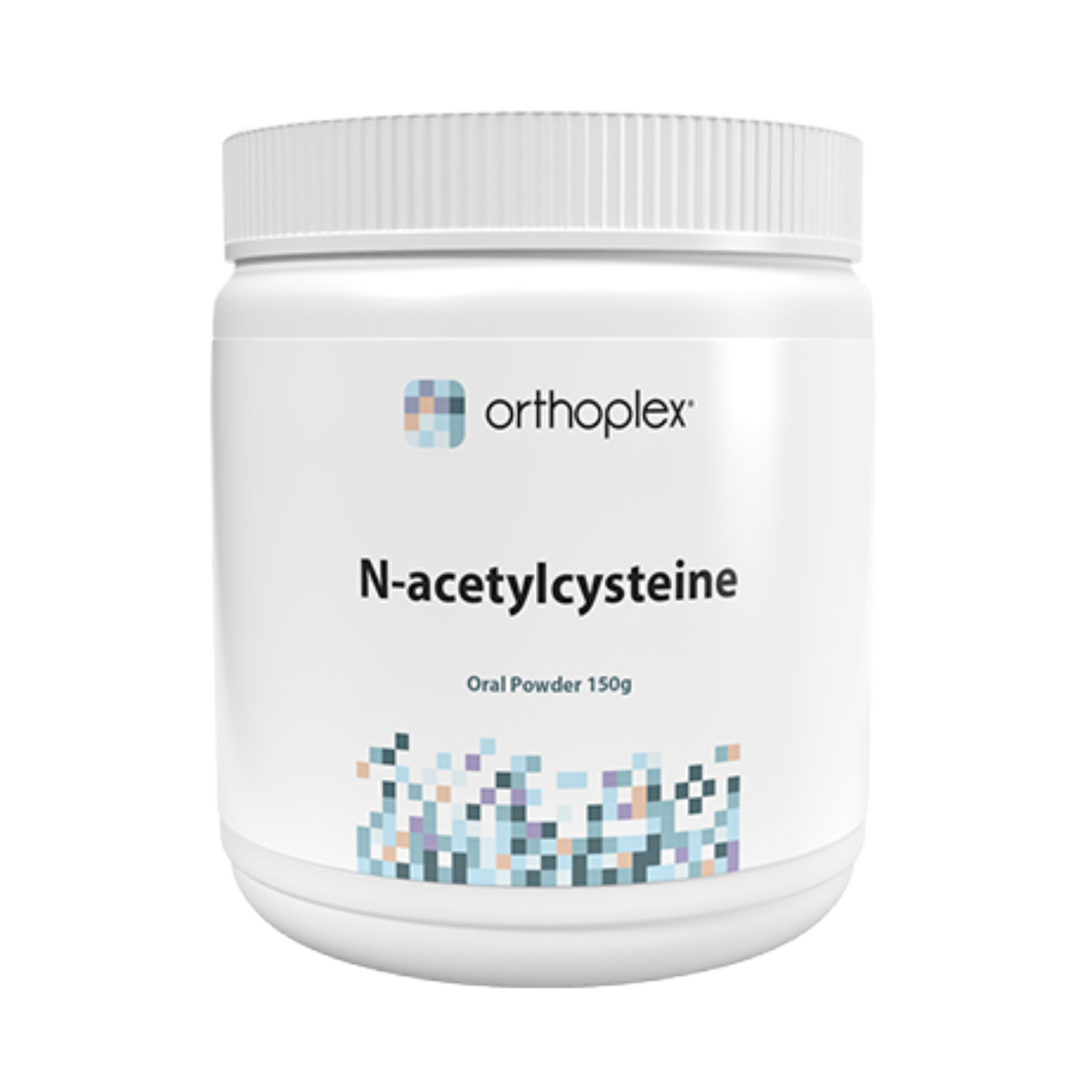
These products are included as complementary options for lysine intake, immune function, stress resilience or general recovery. They are not direct treatments for herpes and should not replace antiviral therapy when it is medically indicated.


Supportive, not curative: no supplement or herbal product has been shown to eliminate herpes simplex from the body.
Health note: check suitability with a qualified healthcare practitioner if you are pregnant, breastfeeding, taking medication, immunocompromised or managing a medical condition.
Prevention and Education
Herpes can sometimes be transmitted without noticeable symptoms because the virus may be shed from the skin between outbreaks. Risk is generally higher during an active outbreak or warning phase.
Avoid intimate skin-to-skin or sexual contact from the first tingling, itching or burning until sores have completely healed.
Condoms, dental dams and other barriers can reduce risk but cannot eliminate it because uncovered skin may still be affected.
For recurring genital herpes, a doctor can advise whether daily antiviral treatment may help reduce outbreaks and transmission risk.
Clear, factual disclosure allows partners to make informed decisions without shame, panic or guesswork.
Tell your maternity-care provider if you or your partner has genital herpes because timing and management can affect risk to the baby.
New, worsening, uncertain or unusual symptoms should be assessed rather than treated on assumption alone.
The Emotional Side
Worry, shame and fear of judgment can create a cycle of stress that makes a manageable condition feel much larger. Accurate information matters because misunderstanding often drives more distress than the virus itself.
A diagnosis can feel confronting, but herpes is common and does not define a person’s character, relationships or future.
Calm, factual conversations are generally more useful than disclosing from a place of panic or shame.
Not every sensation is an outbreak. Persistent uncertainty is better resolved through professional assessment than constant self-monitoring.
A knowledgeable practitioner or counsellor can help when anxiety, relationship concerns or stigma are affecting quality of life.
FAQs + Checklist
Clear answers about natural support, lysine, transmission, testing, treatment and when symptoms need professional attention.
No. No natural remedy has been shown to cure herpes or remove the virus from the body. Natural support should be considered complementary rather than curative.
Possible triggers include stress, fatigue, illness, sun exposure, hormonal changes and local friction or irritation. Some people do not identify a consistent trigger.
Lysine is widely discussed for herpes support, particularly recurring cold sores. Some studies suggest possible benefit in selected people, but the overall evidence is mixed. Follow the product label and seek professional guidance where needed.
Yes. Transmission can occur without visible sores because asymptomatic viral shedding may occur between recognised outbreaks.
A swab taken from the base of an active ulcer or blister for PCR or another nucleic acid amplification test is generally preferred. Blood testing has a limited role and is not used for routine screening of people without symptoms.
Seek medical advice promptly if this may be your first outbreak, symptoms are severe or widespread, sores are not healing, outbreaks are becoming frequent or you are having difficulty urinating. You should also seek care if you are pregnant, immunocompromised or uncertain about the cause.
Eye pain, redness, light sensitivity or blurred vision requires urgent medical assessment. Do not place cold sore creams, essential oils or herbal products in or near the eye.
Conclusion
Herpes support begins with an accurate diagnosis, appropriate medical treatment and an understanding that recurrence patterns differ from person to person.
Lysine, topical lemon balm, immune-supportive nutrition and better recovery habits may have a complementary role, but none should be presented as a cure or substitute for antiviral treatment.
Prevention includes recognising early warning symptoms, avoiding intimate contact during outbreaks, using barrier protection, communicating with partners and discussing suppressive treatment when appropriate.
GhamaHealth summary: reduce the panic, confirm what you are dealing with and build a support plan that respects both the science and the lived reality of recurring flare-ups.
Related Reads
Important Information
This article is provided for general educational purposes only and is not medical advice. It does not replace personalised diagnosis, treatment, medication guidance or practitioner-directed supplement advice.
Herpes symptoms can resemble other skin or genital conditions, so new, unusual or uncertain symptoms should be assessed by a qualified healthcare professional. Seek prompt medical advice if symptoms occur during pregnancy, are severe or widespread, or if you are immunocompromised. Eye pain, redness, light sensitivity or blurred vision requires urgent medical assessment.
Natural products should not replace proper diagnosis or antiviral treatment when medically indicated. Always read the label, follow the directions for use and review warnings, allergens and possible medicine interactions before using a supplement or topical product.
For our full Health Disclaimer & Liability Notice, please visit: Health Disclaimer.


OUR WAREHOUSE
26 Artisan Rd.
Seven Hills, NSW 2147
Tel: +61 2 9683 2598
Dispatch warehouse only — no public access or counter sales.
We acknowledge the Darug People of the Burramattagal as the Traditional Custodians of the land on which we work, live, and learn. We pay our respects to their Elders, past and present and extend that respect to Aboriginal and Torres Strait Islander peoples here today.


