

















01
ArmaForce Throat Relief 50ml
Soothing Support for Throat Health
Explore common health concerns and discover practitioner-grade nutritional support tailored to help restore balance and support your overall wellbeing.

Start with what usually matters
A sore throat can arrive with a cold, after a rough night of mouth breathing, during an allergy flare, or after spending too long in dry heated air feeling personally attacked by winter. In other words, it is common — but that does not make it pleasant.
Most of the time, the throat is reacting to irritation or infection rather than anything dramatic. The tissue lining the throat is sensitive, and once it is dry, inflamed, or exposed to repeated coughing, swallowing can suddenly feel far more offensive than it should.
The useful question is not “how do I throw ten remedies at this by sunset?” It is “what is most likely irritating the throat, what tends to soothe it, and when should I stop guessing?” That is where this article stays focused.
The bigger picture
A sore throat is a symptom, not a diagnosis. It may come with viral upper respiratory infections, post-nasal drip, dry air exposure, allergies, voice strain, reflux, or, less commonly, bacterial causes such as strep throat. That is why the pattern around the sore throat matters more than the sore throat title itself.
If symptoms are mild and improving, supportive care is often enough. If they are intense, persistent, or paired with fever, swollen glands, trouble swallowing, or a child who seems significantly unwell, the “let’s just see” strategy gets less charming.
Not all sore throats are the same
Old articles often lump every sore throat into one mushy winter bucket. Better to separate the likely drivers, because the support that makes sense depends on what is actually going on.
This is the common one. A sore throat may arrive with a cold, cough, runny nose, fatigue, or general “I feel ordinary” energy. It often settles with time, rest, fluids, and sensible comfort support.
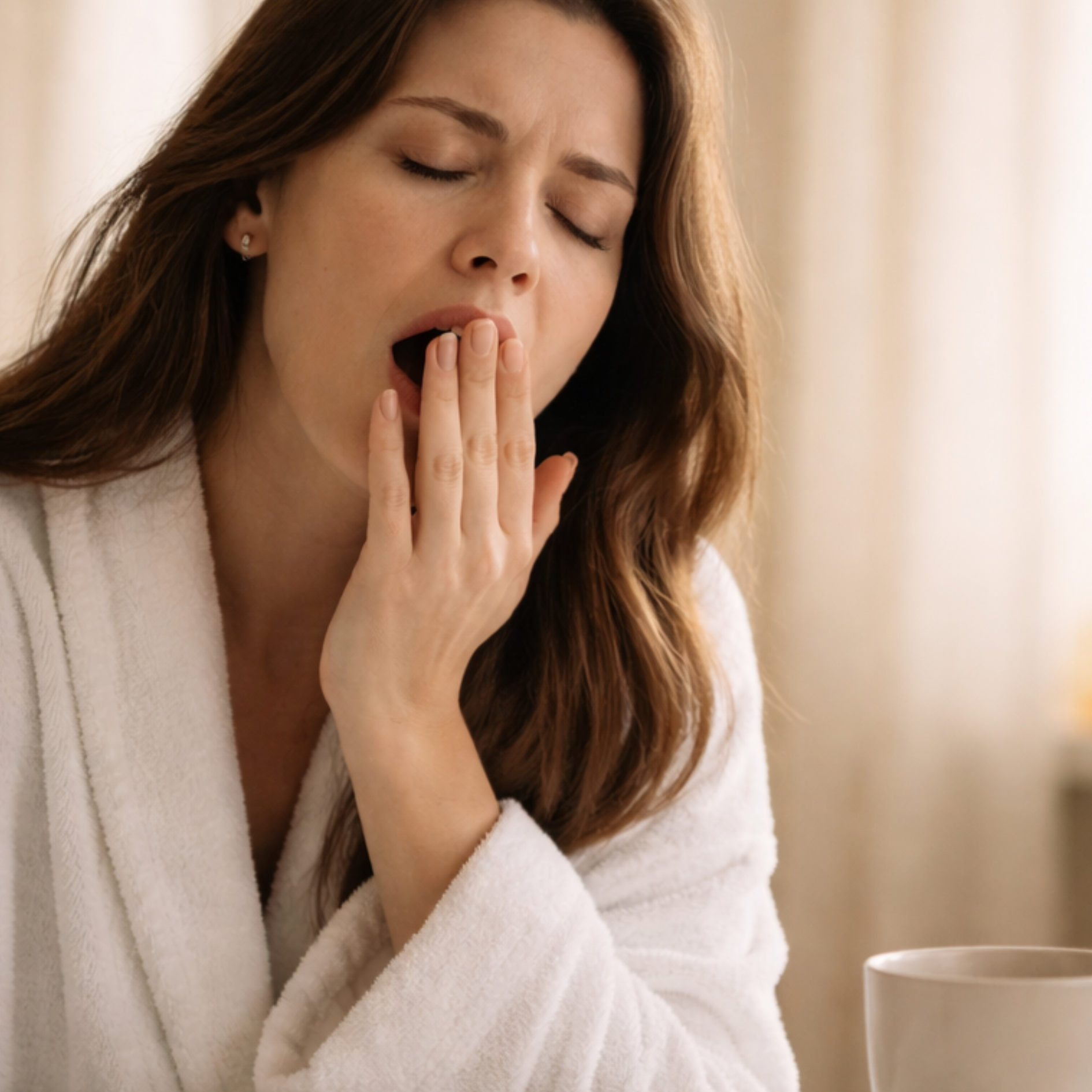
Cold air, indoor heating, snoring, congestion, or sleeping with an open mouth can leave the throat dry and raw. These cases often feel worse overnight and first thing in the morning.
Mucus dripping from the nose and sinuses can irritate the throat. So can reflux or repeated throat clearing. The throat may stay annoyed even when the main issue lives somewhere else.
Comfort first
Most people do best with simple measures done consistently, not a frantic pharmacy raid with commitment issues.
Worth clearing up
Natural support can be genuinely useful for soothing and comfort, especially where herbs, honey-based formulas, lozenges, sprays, and broader immune support are chosen properly.
What it does not mean is that every sore throat should be treated blindly for days while worsening. “Natural” is useful. “Natural and ignoring obvious red flags” is a terrible plan with nice branding.
A calmer way to manage it
Warm fluids, hydration, gentle throat support, and a less irritating environment usually matter more than aggressive “fixes.”
A mild throat irritation that improves is one thing. A severe, persistent, or worsening throat is another.
Dryness, congestion, allergies, reflux, viral illness, and bacterial infection do not all behave the same way.
Trouble swallowing, high fever, breathing difficulty, or marked deterioration deserve proper assessment.
Do not miss these
A sore throat should be medically reviewed sooner rather than later when it is severe, clearly worsening, hanging around without improving, or coming with symptoms that suggest more than simple irritation.
Where support fits
If the sore throat is part of a wider cold-and-flu picture, broader support may also matter. This is where hydration, recovery, sleep, diet quality, and selected practitioner-grade formulas start to fit the bigger picture rather than pretending the throat exists in isolation.
Related Products
FAQs + Checklist
Quick answers first, then a no-fuss checklist so you can tell whether you are actually managing the throat well or just dramatically sipping tea and hoping for the best.
Usually, yes. Many sore throats come with viral upper respiratory infections, while some are linked to dryness, allergies, reflux, or post-nasal drip rather than bacterial infection.
Honey may help soothe throat irritation and cough in adults and in children over 12 months of age. It should not be given to infants under 1 year.
If the sore throat is severe, comes with fever, swollen glands, significant tonsil inflammation, or you simply feel much more unwell than “just irritated,” it is worth proper assessment rather than guessing.
If it is not improving within the expected window, is getting worse, or is paired with concerning symptoms, book the review. Persistent sore throats should not just be endlessly renamed “winter.”
Yes. A sore throat can be caused by dry air, mouth breathing, snoring, indoor heating, or irritation from repeated throat clearing, not just infection. That is why it helps to look at the full pattern of symptoms instead of assuming every sore throat is automatically a cold or something more serious.
Conclusion
Sore throats are common, especially through colder months and crowded seasons, but they are not all the same. Some are mainly about dryness and irritation. Some ride in with viral illness. Some are part of a bigger pattern that needs more attention.
The best first move is usually not panic or product stacking. It is practical support: fluids, rest, soothing care, and paying attention to what the pattern is telling you. Then, if the throat becomes persistent, severe, or clearly out of proportion, stop negotiating with it and get it assessed properly.
Related Reads
a final note
This article is for educational purposes only and is not a substitute for individual medical advice, diagnosis, or treatment. A sore throat can have a range of causes, and persistent, severe, or worsening symptoms should be assessed by a qualified healthcare professional. Always read the label and use products only as directed. Seek professional advice before using supplements, herbs, or throat products during pregnancy, breastfeeding, or for young children.
Read the full notice here: Health Disclaimer & Liability Notice


No code needed. Automatically applied at checkout. Limited time only.


