

















Support sleep routines
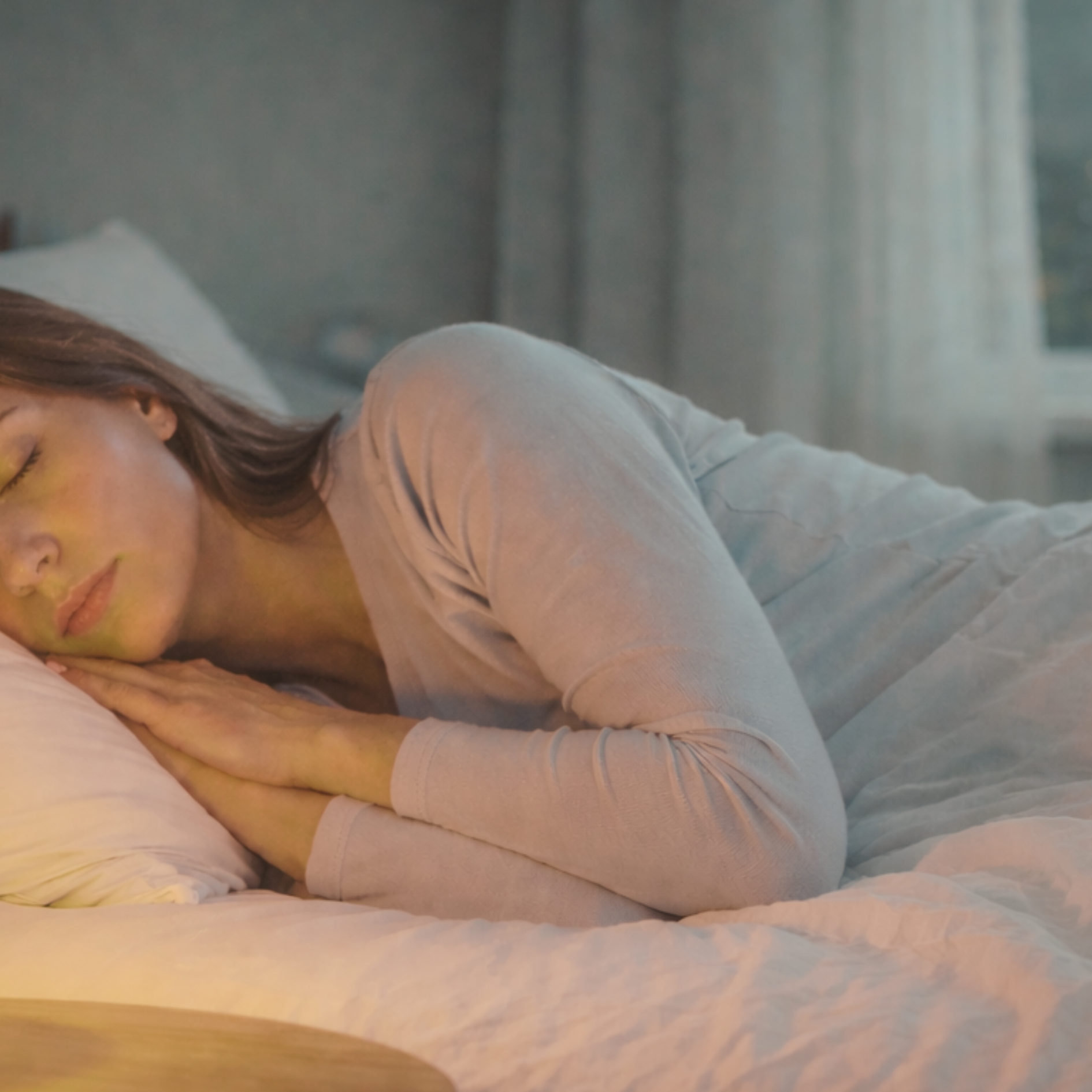
A calmer evening routine may help the body shift away from stimulation and prepare for rest.
Explore common health concerns and discover practitioner-grade nutritional support tailored to help restore balance and support your overall wellbeing.
Health concerns rarely arrive in neat little boxes. If more than one area feels relevant, begin with the pattern affecting daily life the most — energy, sleep, digestion, mood, immunity, or hormonal balance.
Persistent, worsening, unexplained, or sudden symptoms should be discussed with a qualified health professional, especially when medication, pregnancy, breastfeeding, or existing health conditions are involved.
For customers who value better guidance, clearer choices, and a more thoughtful way to shop practitioner-grade wellness.

●Article Guide
●Key Takeaways
Pregnancy can bring joy, anticipation and a long list of physical changes that can feel unpredictable. Relaxation during pregnancy is not about creating a perfect glowing sanctuary. It is about giving the body and mind more practical moments of steadiness, rest and comfort.
The useful version of pregnancy relaxation is simple and grounded: breathing that settles the body, movement that feels appropriate, rest routines that support sleep, a calmer environment, and knowing when stress, anxiety, low mood or insomnia need more support.
This guide keeps the focus practical. Pregnancy relaxation should not be sold as a cure, a guarantee or a personality test. It is one supportive layer within antenatal care, nutrition, movement, medical guidance and real-life support.
Why Relaxation Matters
Pregnancy may affect sleep, energy, digestion, breathing comfort, posture, mood and emotional resilience. Relaxation practices may help some people create a pause between stress and response, ease muscle tension, support rest routines and make the day feel less overloaded.
Some days pregnancy feels manageable. Other days, the back aches, sleep disappears and small stressors can feel much harder to manage. Relaxation practices are small anchors, not personality makeovers.
A calmer evening routine may help the body shift away from stimulation and prepare for rest.
Gentle stretching, walking and breathing may support comfort when used safely and appropriately.
Short, repeated pauses can help reduce the feeling of constantly running on alert.
Relaxation is supportive, but anxiety, depression or severe insomnia need proper care.
Pregnancy Safety Filter
Pregnancy changes the safety conversation. Exercise, yoga, massage, heat, herbs, essential oils, supplements and even sleep positions may need adjustment depending on trimester, risk factors and symptoms.
A helpful rule: if a technique affects the body strongly, involves heat, pressure, inversion, strong scents, breath-holding, abdominal work, pain, dizziness or medication interaction risk, it deserves a check before becoming part of the routine.
Small Daily Routine
Pregnancy routines do not need to look impressive. A few repeatable anchors across the day may be more helpful than a complicated schedule that collapses by Tuesday.
Relaxation does not have to wait for the perfect chair, the perfect playlist or the perfect mood. It can be built into ordinary moments: waking, meals, walking, showering, bedtime and the quiet minute before everything starts again.
Take three slow breaths before reaching for the phone, then notice what the body needs: water, food, movement or a slower start.
Use a short walk, light stretch or seated pause to reset posture and reduce the feeling of rushing.
Dim lights, reduce scrolling and keep the routine predictable where possible. The body often responds well to consistent cues before sleep.
Name the feeling, slow the breath, sit or lie safely, and seek support if distress feels persistent, intense or difficult to manage.
Calm Environment
A relaxation-friendly space does not need to be styled like a retreat. It just needs to reduce irritation. Less clutter, softer light, comfortable support, water nearby and fewer unnecessary sensory triggers can make rest easier.
Soft evening lighting may help signal that the day is slowing down. Bright overhead lighting at night can make it harder for the body to settle.
Pillows, side-lying support, a comfortable chair or foot support can reduce physical strain during rest.
Gentle music, nature sounds or quiet can support relaxation. The best option is whatever genuinely helps settle the space.
Pregnancy may change smell sensitivity. Essential oils and scented products should be used cautiously and checked for pregnancy suitability.
When to Seek Support
Stress can be part of pregnancy, but persistent anxiety, low mood, panic, intrusive thoughts, severe insomnia or feeling unable to cope should be taken seriously. Relaxation practices may support wellbeing, but they should not be used to minimise symptoms that need clinical support.
Ongoing worry, panic, fear of birth, intrusive thoughts or constant tension should be discussed with a doctor, midwife or mental health professional.
Sadness, loss of interest, hopelessness or emotional numbness that persists deserves support and assessment.
Frequent severe insomnia, distressing night waking or exhaustion affecting daily function should be reviewed.
Pain, bleeding, dizziness, severe headaches, swelling, reduced fetal movement or sudden changes should be addressed promptly.
Do not start, stop or change medicines, herbs, sleep aids or supplements without professional guidance during pregnancy.
If there are thoughts of self-harm, harm to others or feeling unsafe, urgent support is needed immediately.
FAQs + Checklist
These questions cover pregnancy relaxation, breathing, prenatal yoga, walking, massage, sleep routines, essential oil caution and when stress or anxiety needs extra support.
Relaxation practices may support emotional steadiness, rest routines and physical comfort for some people. They should be viewed as supportive tools, not treatments or guarantees of pregnancy outcomes.
Prenatal yoga may be suitable for many people, but it should be adapted for pregnancy and avoided or modified when there are medical or obstetric concerns. A doctor, midwife or qualified instructor can help guide suitability.
Slow, comfortable breathing may help create a sense of pause and reduce tension. Avoid breath-holding or any technique that causes dizziness, discomfort or shortness of breath.
Essential oils should be used cautiously during pregnancy. Some oils may not be suitable, and smell sensitivity can change. Check with a qualified healthcare professional before using aromatherapy, especially in early pregnancy or with complications.
Stress, anxiety, low mood, panic, intrusive thoughts, severe insomnia or feeling unable to cope should be discussed if persistent, worsening or affecting daily life. Urgent support is needed if there are thoughts of self-harm or feeling unsafe.
Related Products

Prenatal nutrition support with active folate, choline, iodine, zinc, vitamin D3 and B vitamins for maternal wellbeing foundations.

Low-excipient prenatal multi-nutrient support for preconception, pregnancy and lactation where suitable.

Targeted probiotic support for maternal gut health, immune resilience and microbiome foundations during pregnancy and breastfeeding.

Pregnancy nutrient support for maternal health, fetal development, energy, immunity and daily prenatal nutrition foundations.
Conclusion
Pregnancy relaxation does not need to be elaborate. Gentle breathing, short walks, pregnancy-safe stretching, supportive rest routines, calmer surroundings and small pauses may help create more steadiness during a physically and emotionally changing season.
The important part is safety and context. Movement, massage, essential oils, herbs, supplements, heat and sleep aids should all be considered carefully during pregnancy. Persistent anxiety, low mood, severe insomnia, pain, bleeding or concerning symptoms should be discussed with a qualified healthcare professional.
GhamaHealth summary: relaxation is not a cure, a performance or a perfect routine. It is a practical support layer — quiet, flexible and best used with sensible pregnancy care.
Related Reads
Important Information
This article provides general educational information only and does not replace personalised medical advice, antenatal care, mental health support, diagnosis or treatment. Every pregnancy is different, and relaxation practices, exercise, massage, herbs, essential oils, supplements and sleep-support products may not be suitable for everyone.
Speak with a qualified healthcare professional before starting new exercise, prenatal yoga, massage, aromatherapy, supplements, herbs or sleep-support products during pregnancy or breastfeeding, especially if there are complications, medical conditions, medication use, pain, bleeding, high blood pressure, dizziness, severe fatigue, anxiety, low mood or insomnia.
Seek urgent support if there are thoughts of self-harm, harm to others, feeling unsafe, severe distress, heavy bleeding, severe pain, reduced fetal movement, sudden swelling, severe headache, chest pain, fainting or shortness of breath.
For our full Health Disclaimer & Liability Notice, please visit: Health Disclaimer.


OUR WAREHOUSE
26 Artisan Rd.
Seven Hills, NSW 2147
Tel: +61 2 9683 2598
Dispatch warehouse only — no public access or counter sales.
We acknowledge the Darug People of the Burramattagal as the Traditional Custodians of the land on which we work, live, and learn. We pay our respects to their Elders, past and present and extend that respect to Aboriginal and Torres Strait Islander peoples here today.

Choose the health area you want to support and explore clear, practical options without the product overwhelm.
• Browse by health goal
• Compare relevant options
• Review practical guidance


