Key Takeaways

  • 🦠 SIBO occurs when bacteria overgrow in the small intestine, disrupting digestion and nutrient absorption.
  • 📋 Symptoms include bloating, gas, constipation or diarrhoea, abdominal discomfort, and fatigue — often mistaken for IBS.
  • 🔍 Breath testing (hydrogen/methane) is the gold standard for diagnosis, ideally guided by a health practitioner.
  • 🌿 Treatment can involve antibiotics, herbal antimicrobials, diet changes, and gut-healing nutrients.
  • 🛡️ Addressing root causes like low stomach acid or poor motility is essential for long-term recovery.
  • 🧘‍♀️ Lifestyle changes — like improving sleep, managing stress, and mindful eating — support sustainable healing.
  • ✅ With the right plan, SIBO is treatable and preventable. Don’t guess — test, treat, and rebuild.

Introduction

Could the real reason behind your bloating, discomfort, or unpredictable digestion be something as overlooked as a bacterial imbalance in your small intestine?

SIBO — short for Small Intestinal Bacterial Overgrowth — is now recognised as a potential root cause in up to 70% of IBS cases. It is also increasingly linked to chronic digestive symptoms in individuals with thyroid imbalances, autoimmune conditions, or a history of food poisoning.

While SIBO can affect anyone, it is more commonly seen in adults over 30, particularly women, as well as those who have long been told that their symptoms are simply due to "stress" or "something they ate." Spoiler: It is rarely just that.

So, what exactly is SIBO? How does it significantly disrupt digestion? More importantly, how can you start feeling like yourself again — ideally without having to memorise Latin or live on bone broth forever?


What Is SIBO?

SIBO is a gut condition that signals something is wrong. It occurs when bacteria that should stay in the large intestine move into the small intestine, leading to digestive issues.

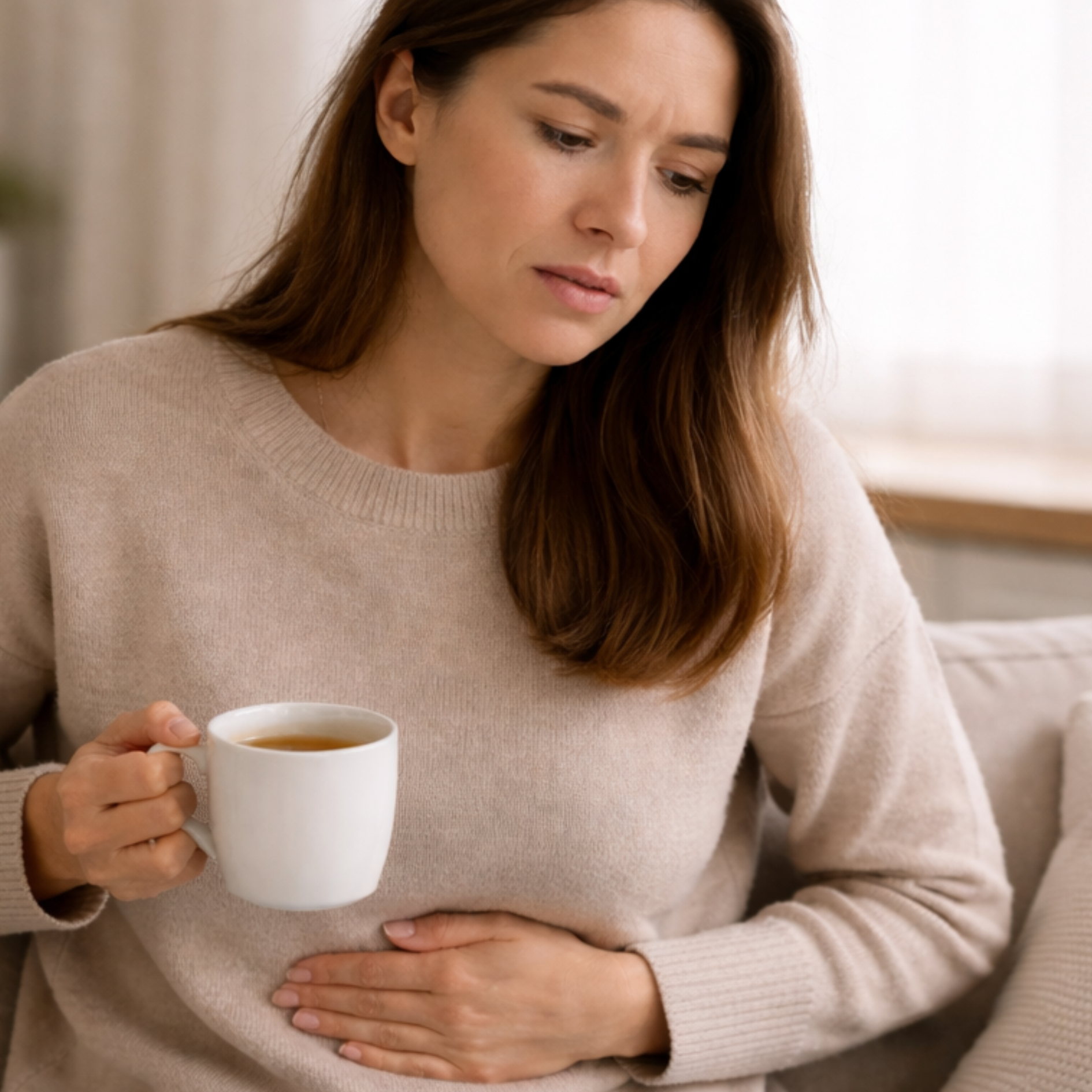
Symptoms include bloating, cramping, food sensitivities, and discomfort after meals. This indicates an imbalance in your digestive system, not that you are broken.

SIBO is a call for attention to your digestion and overall well-being, rather than just a request for antibiotics.


The Symptoms of SIBO

SIBO can manifest subtly, with symptoms like daily bloating, or it can present more intensely, causing gas, pain, brain fog, or unexpected food reactions.

Because SIBO often mimics other gastrointestinal issues such as IBS, food sensitivities, or stress-related indigestion, it frequently goes unrecognised for years. However, there are some common patterns to look for:

  • Persistent bloating — especially occurring a few hours after eating
  • Excessive gas — including belching, flatulence, or both
  • Abdominal discomfort or cramping
  • Irregular bowel movements — which may include diarrhea, constipation, or both
  • Fatigue — particularly noticeable after meals
  • Brain fog — characterized by difficulty concentrating or feeling mentally “sluggish”
  • Food sensitivities — especially to carbohydrates, fiber, or fermentable foods
  • Nutrient deficiencies — which may involve B12, iron, and magnesium

These symptoms can vary in intensity from mild to severely disruptive. For many individuals, the impact is not limited to digestive health; it also affects energy levels, focus, mood, and even confidence in eating.

The key is not only to recognise the symptoms but also to understand the underlying causes. This understanding is the first step toward healing.


What Causes SIBO?

SIBO (Small Intestinal Bacterial Overgrowth) doesn’t occur randomly; it typically indicates an underlying issue in the digestive system. Consider it a symptom rather than the root cause. Something has allowed bacteria to move to areas where they shouldn’t be or remain in places where they should have been eliminated.

Here are some of the most common factors that can create the ideal environment for SIBO to develop:

  • Slow motility: When food and bacteria do not move through the gut efficiently, overgrowth can happen. This is often observed in conditions like IBS, hypothyroidism, or following a gastrointestinal infection.
  • Low stomach acid: Stomach acid helps sterilize the upper gut. Long-term use of proton pump inhibitors (PPIs) or age-related decline in acid production can allow unwanted bacteria to survive and multiply.
  • History of food poisoning: Infections can damage the nerves that control gut movement, increasing the risk of SIBO over time.
  • Chronic stress: Stress affects the gut-brain axis, slows digestion, and alters immune function, making the small intestine more susceptible to bacterial overgrowth.
  • Abdominal adhesions or surgery: Scar tissue can disrupt the normal flow of the gut and create pockets where bacteria can collect.
  • Long-term antibiotic use: Extended use of antibiotics can eliminate healthy bacteria and create imbalances that allow opportunistic bacteria to thrive where they do not belong.
  • Structural conditions: Issues such as diverticula, strictures, or obstructions can slow down or trap intestinal contents, contributing to overgrowth.

In many cases, it is not just one factor but a combination of several. The aim is not to “blame” your body, but to understand what has opened the door to SIBO, so you can gently start to address and close that door.


How Is SIBO Diagnosed?

Diagnosing SIBO may seem complex, but it can be done effectively with the right approach. The most accurate method is a breath test, which measures the gases produced by bacteria in the small intestine.

When bacteria ferment specific sugars, such as glucose or lactulose, they produce gases—primarily hydrogen or methane. These gases are absorbed into the bloodstream and then exhaled through the lungs. A breath test captures the gas output over time, providing insights into your gut health.

What the Test Involves:

  • Fasting overnight
  • Drinking a sugar solution (either glucose or lactulose)
  • Exhaling into a test tube every 15–20 minutes for 2–3 hours
  • Monitoring levels of hydrogen, methane, and sometimes hydrogen sulphide

A qualified healthcare practitioner will interpret the results and help you determine if your symptoms are caused by SIBO, as well as the type (hydrogen-dominant, methane-dominant, or mixed).

In some cases, additional tests—such as bloodwork, stool analysis, or nutrient markers—may be necessary to rule out other underlying causes or to assess how long the overgrowth has been affecting your digestion.


Treatment Options for SIBO

There isn’t a one-size-fits-all solution for treating SIBO, and this is beneficial. Treatment involves more than just eliminating bacteria; it focuses on restoring the flow, resilience, and overall function of the digestive system.

Effective treatment usually combines three key approaches: reducing the bacterial load, supporting gut motility, and repairing the gut lining. For many individuals, diet and stress management also play crucial roles.

1. Antimicrobial Support

Both pharmaceutical and herbal options can be employed to reduce bacterial overgrowth. Here’s a comparison of the two:

Approach Common Examples Best For Considerations
Pharmaceutical Rifaximin (for Hydrogen dominant SIBO)
Rifaximin + Neomycin (for Methane dominant SIBO)
Quick-acting solutions for diagnosed SIBO cases Prescription required
May be covered by insurance
Short-term use only
Herbal Antimicrobials Berberine, Oregano Oil, Garlic (Allicin), Neem Effective for all types of SIBO
Alternative to antibiotics
Often used in treatment protocols
Gentler on the microbiome
Requires practitioner guidance

2. Diet & Nutritional Support

While diet alone doesn’t cure SIBO, it can significantly alleviate symptoms as you address the underlying causes. The best dietary approach depends on your specific triggers, nutrient status, and stress levels.

  • Low-FODMAP Diet: Reduces fermentable carbohydrates that contribute to bacterial overgrowth
  • Specific Carbohydrate Diet (SCD): Eliminates complex carbohydrates and starches
  • Elemental Diet: A liquid nutrition protocol that allows the gut to rest (to be followed under practitioner supervision)

3. Gut Motility Support

Supporting gut movement is essential to prevent SIBO from recurring. The Migrating Motor Complex (MMC) functions like your gut’s nightly cleaning crew, and it requires a consistent rhythm to be effective.

  • Pharmaceutical prokinetics: e.g., low-dose erythromycin, prucalopride
  • Natural support: Ginger, bitters, magnesium, Iberogast
  • Lifestyle tips: Avoid constant snacking, space meals 4–5 hours apart, and engage in light movement after meals

4. Gut Repair & Recovery

After controlling the overgrowth, it is crucial to heal the gut lining and reintroduce foods gradually.

  • L-glutamine, Zinc Carnosine: Aid in repairing the gut lining
  • Slippery elm, Marshmallow root: Soothe and protect the digestive tract
  • Gradual food reintroduction: Helps minimize flare-ups and rebuild tolerance to various foods

Collaborating with a healthcare practitioner can help customize this treatment process to meet your individual needs. The goal is not just to eradicate bacteria but also to help your gut regain its natural function and trust.


Long-Term Gut Healing & Prevention

Clearing SIBO is just one aspect of recovery. To achieve true healing, the focus must shift to repairing the gut lining, restoring digestive rhythm, and creating an environment that minimises the likelihood of future overgrowth.

While recurrence is common, it is not inevitable. With the proper support and habits, you can give your gut the opportunity it needs to heal and regulate itself naturally.

Key Strategies for Long-Term Gut Health:

  • Support motility daily: Incorporate ginger, gentle movement, and space your meals 4–5 hours apart.
  • Rebuild the gut lining: Use L-glutamine, zinc carnosine, collagen, and soothing herbs.
  • Reduce inflammation: Identify food triggers and focus on anti-inflammatory meals.
  • Prioritise nervous system regulation: Engage in breathing exercises, rest, spend time in nature, and nourish your nervous system.
  • Reintroduce foods slowly: Challenge your gut gently and avoid rushing the process.
  • Stay connected to your symptoms: Your body sends signals; learning to listen is an essential part of the healing journey.

Long-term healing is not about achieving perfection; it is about building trust — in your gut, in your choices, and in your body's ability to recover. This journey transforms symptom management into resilience.


What You Can Do Now

If SIBO sounds familiar to you, or if you have already been diagnosed, know that healing is possible. You don't need to have all the answers right now; you need a place to start.

  • 📓 Start tracking your symptoms, energy levels, and digestion — patterns often reveal more than tests do.
  • 🥣 Begin simplifying your meals by using fewer ingredients to make digestion easier.
  • 🍵 Introduce gentle gut support such as ginger tea or bitters before meals.
  • 🕐 Create space between meals to allow your gut to reset before the next one.
  • 🧘‍♀️ Incorporate one calming ritual into your daily routine; your nervous system plays a role in digestion.
  • 👩‍⚕️ Consult with a healthcare practitioner about SIBO testing or treatment options that suit your lifestyle.

Healing your gut doesn't happen overnight, but each small shift can build momentum. From that momentum, real change can begin to unfold.


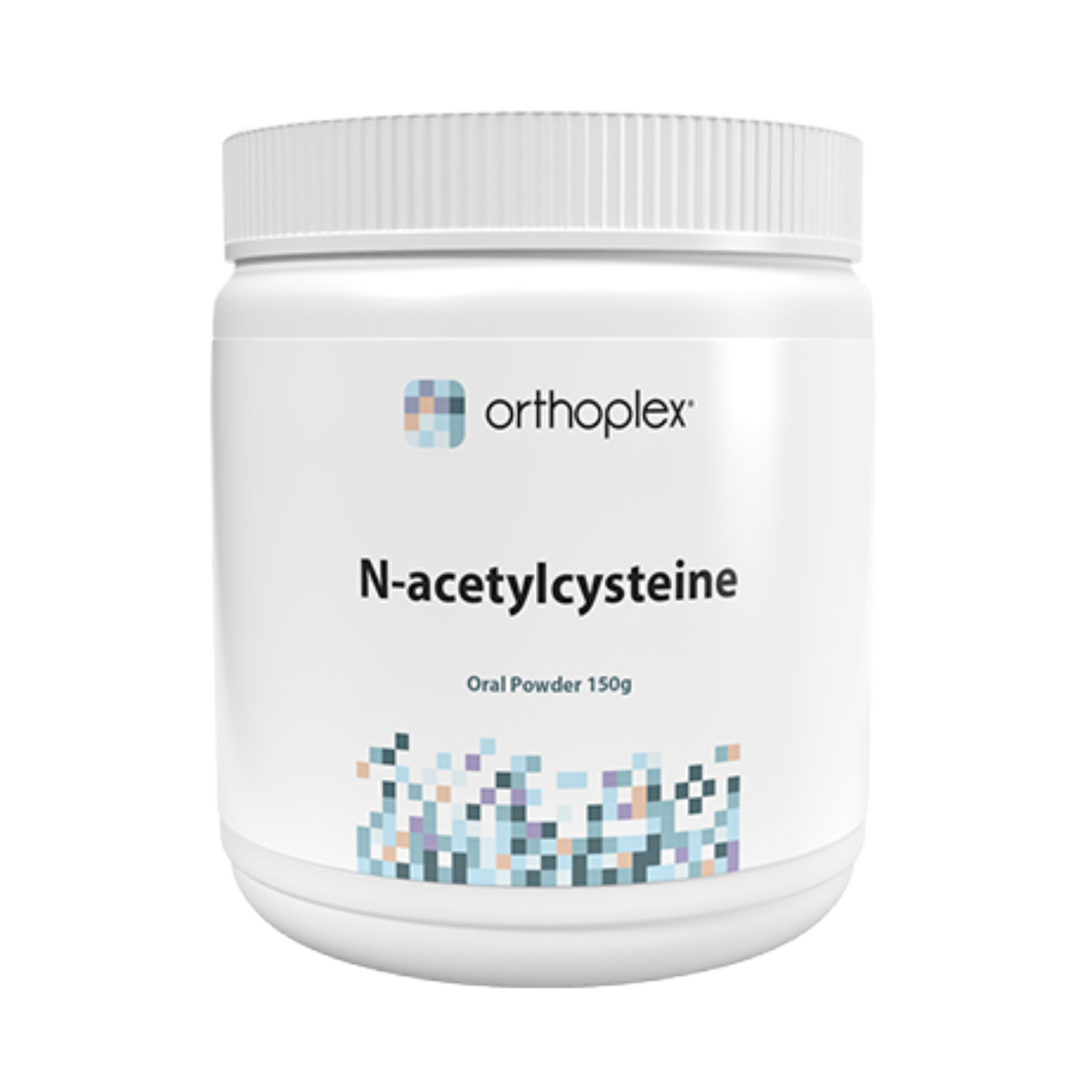
These practitioner-grade formulas are designed to support gut healing, microbial balance, and digestive function — safely and effectively during or after SIBO recovery.


Checklist: Are You Ready to Heal from SIBO?

Use this checklist as a personal guide — not a test. Check off what resonates with you. Each small step supports your gut's ability to reset, recover, and thrive.

  • An accurate diagnosis is essential for determining the right treatment and avoiding guesswork.
  • Clearing the overgrowth is the first step — your approach should align with your symptoms and lifestyle.
  • Maintaining motility is key to preventing relapse — it represents your gut's natural cleansing rhythm.
  • Temporary adjustments (such as a Low FODMAP diet) can help ease symptoms while healing occurs.
  • Gut healing involves more than just bacteria; it's about rebuilding structure and resilience as well.
  • Digestion begins in the brain. Calming your system aids both motility and nutrient absorption.
  • Having a guide can reduce feelings of overwhelm, speed up the healing process, and help catch what might often be overlooked.

Disclaimer: This checklist is for educational purposes only and does not replace individual medical advice. Please consult your healthcare provider before starting any new protocol.


Frequently Asked Questions (FAQs)

Yes — some people experience fatigue, brain fog, or skin issues without obvious digestive problems. SIBO can show up systemically, not just in the gut.

No — but it can recur if the root causes (like slow motility or stress) aren't addressed. With the right support, many people achieve long-term remission.

Diet can manage symptoms, but it typically doesn’t clear the overgrowth on its own. It’s best used alongside antimicrobials and motility support.

Initial treatment may take 4–8 weeks, depending on severity and type. Full recovery (including gut repair and food reintroduction) can take several months.

Not always. Some probiotics can worsen symptoms. Spore-based or soil-based strains are sometimes better tolerated — but always check with your practitioner.

SIBO can be a cause of IBS — especially when bloating, gas, and unpredictable bowel habits are present. Testing helps distinguish the two.

Absolutely. Stress affects digestion, motility, and the gut lining. Supporting the nervous system is a powerful part of SIBO recovery — not just a side note.


Final Thoughts

SIBO can be challenging, but it’s not a permanent condition. Think of it as your gut’s way of signalling that something is off and needs attention. The good news is that you have the power to address it.

With the proper support, healthy habits, and appropriate healing tools, you can transition from feeling bloated and frustrated to achieving balance and freedom. While healing may take time, you are not trapped in this situation.

Take what resonates with you, proceed at your own pace, and remember: your gut isn’t broken. It’s simply asking for attention, and that’s something you can respond to—one choice at a time.


Disclaimer

This guide is for informational and educational purposes only. It does not substitute medical advice, diagnosis, or treatment. Always consult a qualified healthcare professional before making changes to your diet, supplement plan, medications, or lifestyle — especially if you have a diagnosed condition or are taking prescribed medication.

For full legal details, please read our Health Disclaimer & Liability Notice .


References
    1. Rezaie A, Buresi M, Lembo A, et al. Hydrogen and Methane-Based Breath Testing in Gastrointestinal Disorders: The North American Consensus. Am J Gastroenterol. 2017;112(5):775–784. https://doi.org/10.1038/ajg.2017.46
    2. Pimentel M, Saad RJ, Long MD, Rao SSC. ACG Clinical Guideline: Small Intestinal Bacterial Overgrowth. Am J Gastroenterol. 2020;115(2):165–178. View Guideline
    3. Lauritano EC, Gabrielli M, Lupascu A, et al. Small intestinal bacterial overgrowth recurrence after antibiotic therapy. Am J Gastroenterol. 2008;103(8):2031–2035. https://doi.org/10.1111/j.1572-0241.2008.01893.x
    4. Ghoshal UC, Shukla R, Ghoshal U. Small intestinal bacterial overgrowth and irritable bowel syndrome: a bridge between functional organic dichotomy. Gut Liver. 2017;11(2):196–208. https://doi.org/10.5009/gnl16032
    5. National Institute of Diabetes and Digestive and Kidney Diseases (NIDDK). Definition & Facts for Small Intestinal Bacterial Overgrowth (SIBO). niddk.nih.gov
    6. Chedid V, et al. Herbal therapy is equivalent to rifaximin for the treatment of small intestinal bacterial overgrowth. Glob Adv Health Med. 2014;3(3):16–24. View Study
    7. Rao RK, Samak G. Role of glutamine in protection of intestinal epithelial tight junctions. J Epithelial Biol Pharmacol. 2012;5:47–54. View Study
    8. Breit S, et al. Vagus nerve as modulator of the brain–gut axis in psychiatric and inflammatory disorders. Front Psychiatry. 2018;9:44. View Study