





















Oil production may rise with hormonal influence, stress patterns, genetics or skin type.
Article Guide
Key Takeaways
- Acne-prone skin is influenced by sebum, follicle blockage, bacteria, inflammation, hormones and skin barrier function.
- Vitamin B5 is involved in coenzyme A production, energy metabolism and lipid metabolism.
- Carnitine is involved in fatty acid transport and has been studied topically for sebum regulation.
- Nutritional support may be useful, but persistent, painful or cystic acne should not be managed by supplements alone.
Clearer skin is often marketed as a simple before-and-after promise. Acne-prone skin is rarely that tidy. Oil production, blocked follicles, bacteria, inflammation, hormones, skincare habits and diet patterns can all sit in the same conversation.
This guide focuses on one specific part of that picture: how Vitamin B5 and carnitine relate to lipid metabolism, sebum and acne-prone skin. That narrow focus matters because GhamaHealth already has broader skin-nutrition guides. This article is a more specific look at sebum, lipid metabolism and acne-prone skin rather than a broad skin-glow guide.
GhamaHealth view: Vitamin B5 and carnitine are best discussed as sebum and lipid-metabolism support nutrients. They should not be presented as miracle acne treatments, but they may be relevant when skin is oily, congested or prone to repeated breakouts.
Skin Dossier
The clearer-skin question starts with the pattern
Before discussing nutrients, the skin pattern needs to be named clearly. Occasional congestion, oily skin, inflammatory acne and cystic acne are not the same thing. A nutrient-support article should not flatten them into one neat problem.
What pattern are we looking at?
This article is most relevant to oily, congested and acne-prone skin where sebum balance is part of the picture. It is less suited to severe, painful, scarring or sudden acne, which needs proper assessment.
Oily shine
More visible oil through the T-zone or across the face may suggest higher sebum activity.
Congestion
Closed comedones, clogged pores and uneven texture can occur when oil and dead skin cells collect inside follicles.
Inflamed spots
Red, tender pimples involve inflammation and should not be treated as a simple oil-control problem only.
Recurring flares
Repeated breakouts may involve hormones, skincare, stress, diet patterns, medication or underlying health factors.
Sebum Pathway
How sebum can become part of the breakout cycle
Sebum is not the enemy. The skin needs oil for comfort and barrier function. The issue is when excess oil, dead skin cells and follicle congestion create the conditions for acne-prone patterns to develop.
Oil and dead skin cells can collect inside pores, leading to congestion or comedones.
Skin bacteria can contribute to inflammatory signalling when the follicle environment changes.
Redness, tenderness and swelling indicate the breakout has moved beyond surface oil.
Barrier support, gentle care and appropriate treatment help reduce repeated irritation.
Nutrient Lens
Vitamin B5 belongs in the lipid-metabolism conversation
Vitamin B5, also known as pantothenic acid, is needed to form coenzyme A. Coenzyme A is involved in energy metabolism and fatty acid metabolism, which is why Vitamin B5 is often discussed in relation to sebum and oily skin.
Where Vitamin B5 fits
Vitamin B5 has a logical role in skin discussions because of its connection with coenzyme A and lipid metabolism.
Coenzyme A production: B5 contributes to coenzyme A, which is involved in fat, carbohydrate and protein metabolism.
Sebum context: because sebum is lipid-based, fat metabolism is relevant to acne-prone skin discussions.
Support wording: B5 should be framed as support for normal metabolic pathways, not a direct acne cure.
Where B5 does not fit
The problem starts when B5 is marketed as if it can override hormones, skincare triggers, inflammation and acne severity.
Not a treatment replacement: persistent or scarring acne still needs proper care.
Not a full skin plan: barrier care, diet quality, stress and sleep still matter.
Not automatically suitable: higher-dose supplement use should be considered with health history and medication use in mind.
Carnitine Lens
Carnitine is about fatty acid transport, not acne hype
Carnitine helps transport long-chain fatty acids into mitochondria, where they can be used for energy. This makes carnitine relevant to fat metabolism. In skin research, topical carnitine has been studied for effects on sebocyte activity and sebum regulation.
Keep the claim measured.
Carnitine has a legitimate metabolic role, but that does not mean oral carnitine should be described as a proven acne supplement. That would stretch the evidence too far.
Metabolic role
Carnitine supports the movement of fatty acids into mitochondria for energy production.
Skin research
Topical carnitine has been studied for sebum-related effects in human skin.
Oral caution
Oral carnitine may support metabolic pathways, but it should not be framed as a direct acne treatment.
Best wording
Use carnitine in a broader lipid-metabolism discussion, not as a clear-skin promise.
Evidence Notes
Useful evidence needs careful interpretation
The evidence for Vitamin B5 and carnitine is interesting, but it should be interpreted carefully. Acne is multifactorial, and supplement research often depends on dose, form, study size, severity and whether the nutrient was used alone or as part of a formula.
Vitamin B5
A randomised study has reported improvement in mild-to-moderate facial acne using a pantothenic-acid-based dietary supplement. This supports interest, not miracle wording.
Carnitine
Topical carnitine has been studied for sebum reduction, but this should not be casually transferred into strong oral supplement claims.
Acne severity
Mild oiliness and occasional congestion are very different from painful, cystic, persistent or scarring acne.
Practical use
B5 and carnitine are best placed within a sebum-support and lipid-metabolism framework, alongside appropriate skincare and professional care when needed.
Skin Basics
The basics still decide whether the nutrient plan has a chance
Supplements can become the main focus when the skin is frustrating. But acne-prone skin often responds best when the basics are steady: gentle care, barrier support, stable routines and realistic expectations.
Gentle cleansing: avoid stripping the skin and triggering more irritation.
Barrier support: dryness and irritation can make acne-prone skin more reactive.
Low-clog skincare: check for heavy or comedogenic products.
Glycaemic load: high-sugar patterns may matter for some acne-prone skin types.
Stress and sleep: recovery, hormones and inflammation can all be affected.
Consistency: acne-prone skin usually dislikes constant product hopping.
Care Filter
When acne-prone skin needs proper review
Nutrient support can be useful, but acne can also be painful, inflammatory and scarring. It can overlap with hormonal patterns, medication effects or skin conditions that need a different approach.
Do not let supplement guessing delay care.
Early treatment matters when acne is deep, painful, scarring or suddenly changing. That is not the moment to keep adding supplements without proper guidance.
- Seek medical advice for cystic, nodular, painful, infected or scarring acne.
- Review acne linked with irregular cycles, sudden hair growth changes or other hormonal signs.
- Do not stop prescribed acne treatment without discussing it with a healthcare professional.
- Use caution with higher-dose supplements during pregnancy, breastfeeding, medication use or chronic illness.
- Stop any supplement or skincare product that appears to worsen irritation, rash or digestive symptoms.
FAQs + Checklist
Vitamin B5, Carnitine and Acne-Prone Skin FAQs
These questions cover Vitamin B5, carnitine, sebum, acne-prone skin, oily skin support, diet patterns and when professional acne care may be needed.
Can Vitamin B5 help acne-prone skin?
Vitamin B5 is involved in coenzyme A production and lipid metabolism, which makes it relevant to discussions about sebum and oily, acne-prone skin. It should be viewed as supportive nutrition, not a guaranteed acne treatment.
Is carnitine useful for oily skin?
Carnitine is involved in fatty acid transport, and topical carnitine has been studied for sebum-related effects. Oral carnitine should not be promoted as a proven acne treatment, although it may support broader energy and fat metabolism.
Is acne caused by excess sebum?
Excess sebum can contribute to acne, but it is not the only factor. Acne may also involve follicle blockage, bacteria, inflammation, hormones, skincare products, diet patterns and genetics.
Should supplements replace acne medication?
No. Supplements should not replace prescribed acne treatment or professional care. This is especially important for painful, cystic, persistent or scarring acne.
What else supports acne-prone skin?
A gentle skincare routine, non-comedogenic products, adequate sleep, stress support, a balanced diet and review of possible hormonal or medication triggers may all be relevant.
When should acne be checked professionally?
Acne should be checked if it is painful, cystic, scarring, sudden, persistent, linked with hormonal symptoms or not improving despite consistent basic care.
Related Products
Nutritional Support for Skin and Lipid Metabolism
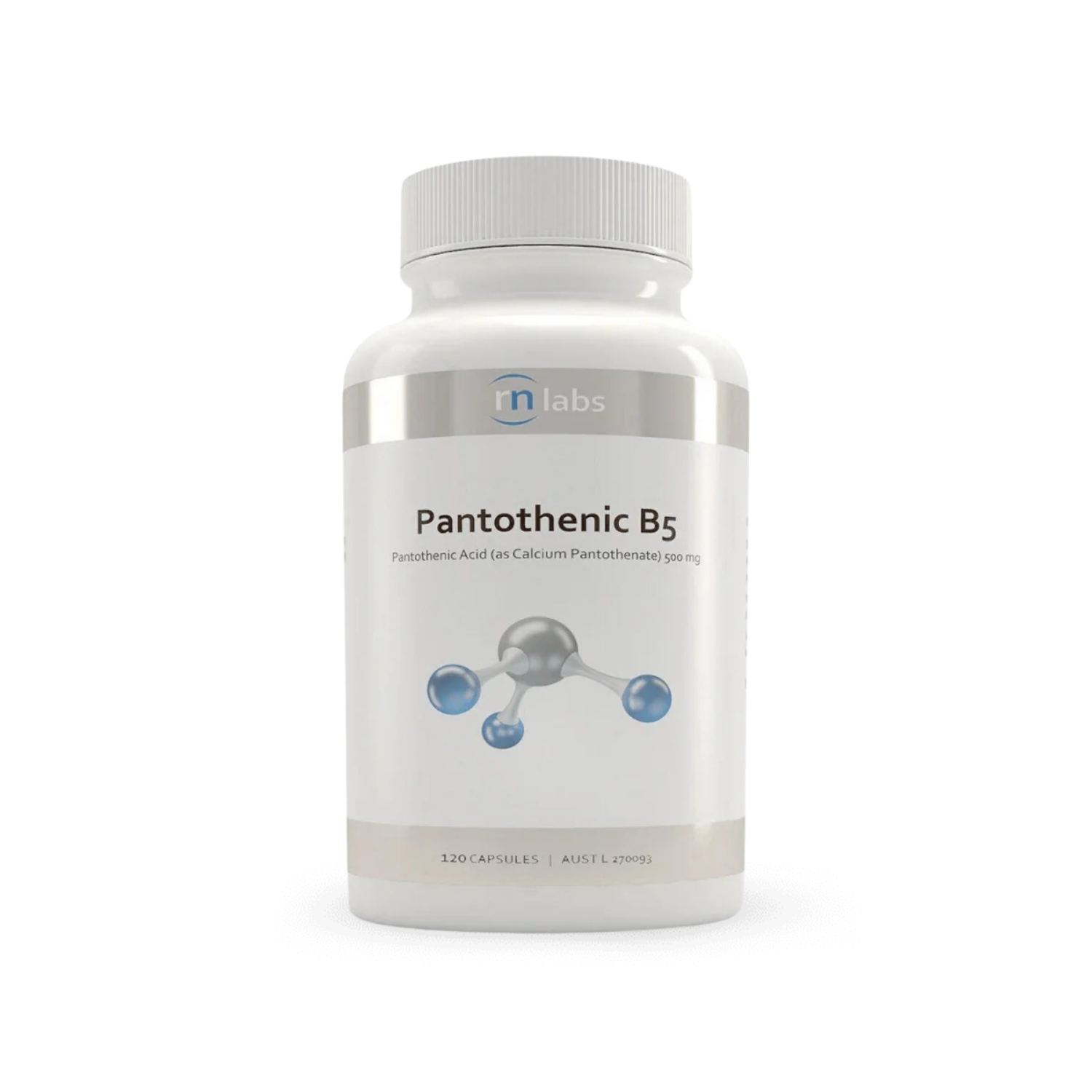
RN Labs Pantothenic B5 120 Capsules
Vitamin B5 support for energy production, lipid metabolism and healthy skin function.
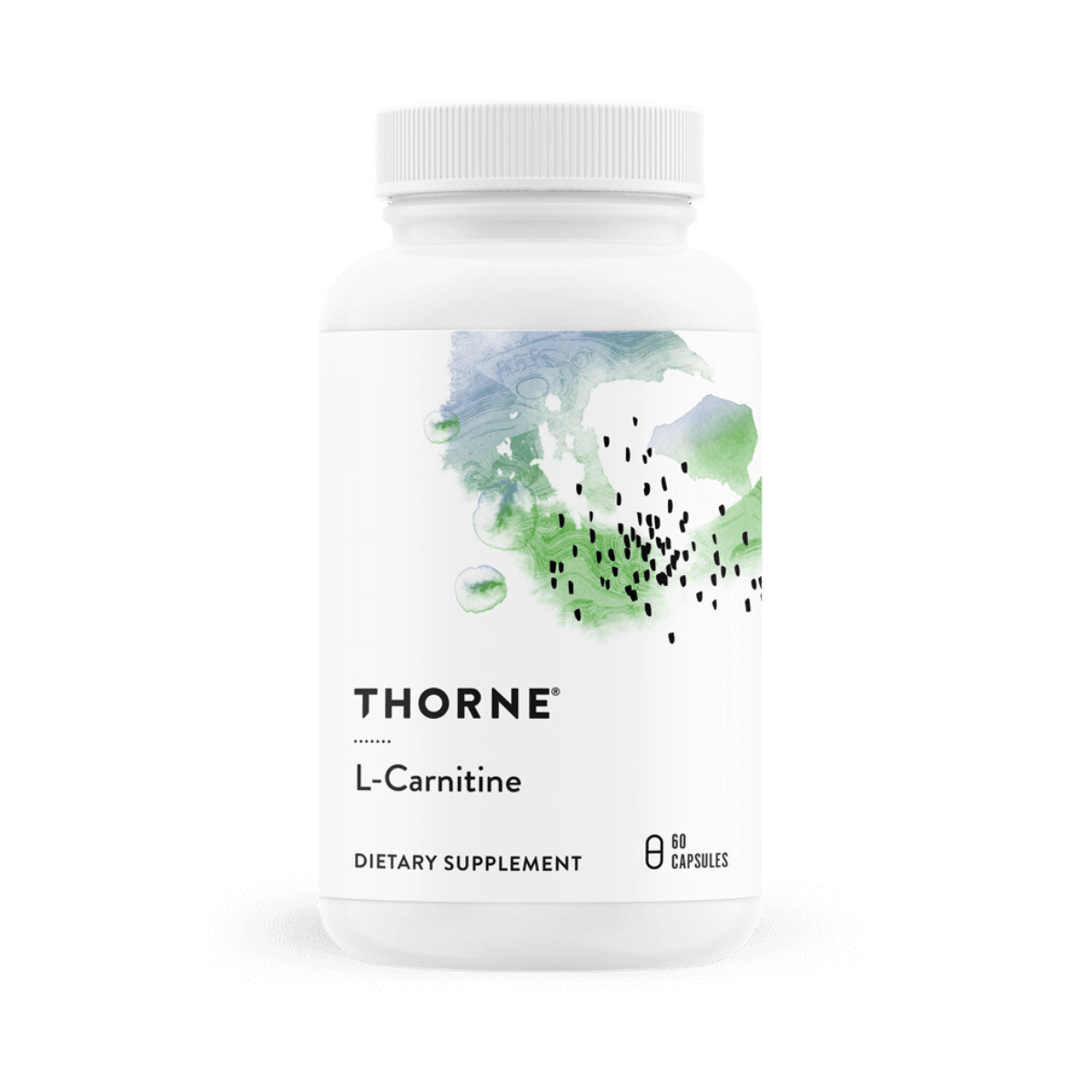
Thorne L-Carnitine 60 Capsules
Carnitine support for fatty acid transport, energy production and metabolic function.
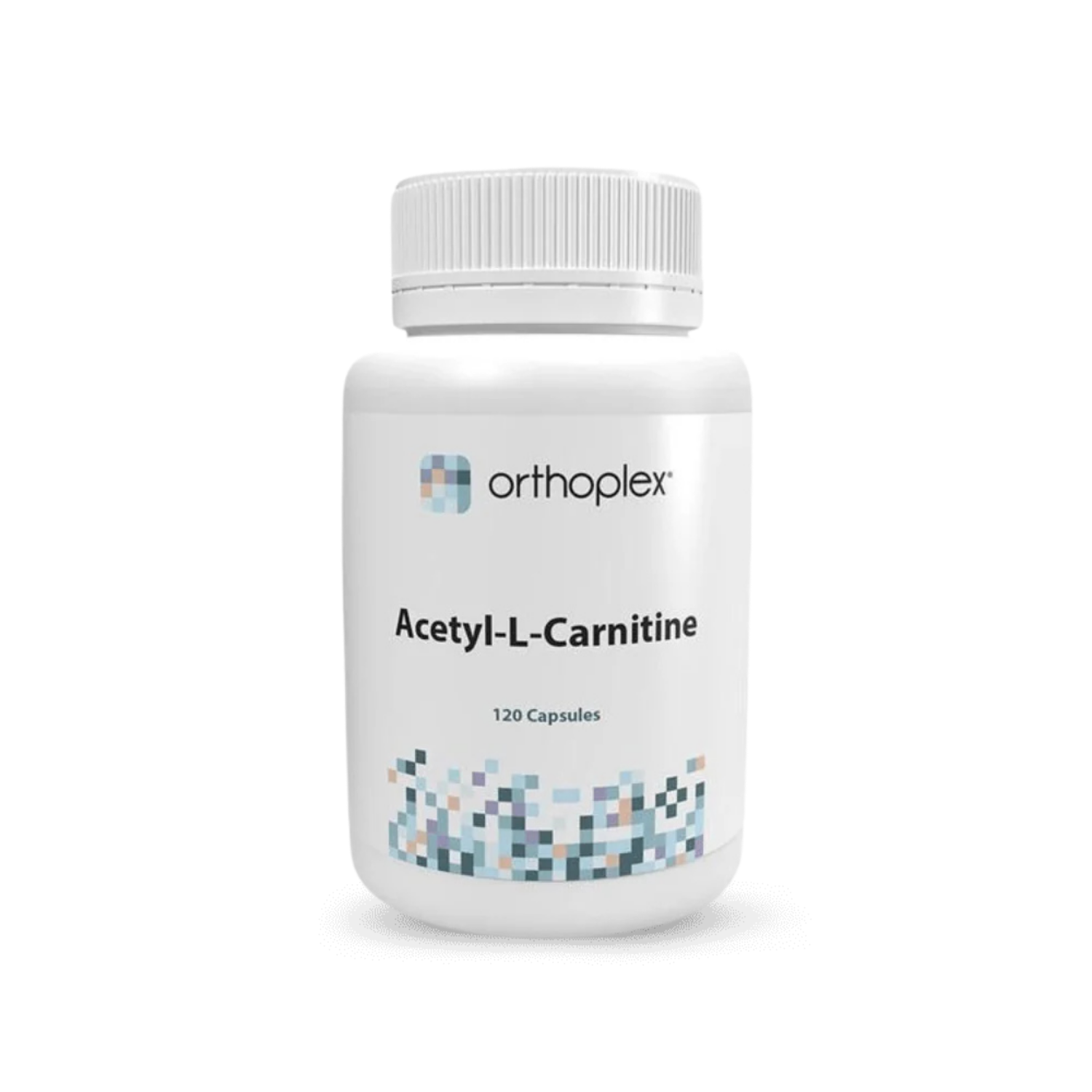
Orthoplex Acetyl-L-Carnitine Capsules
Acetyl-L-carnitine support for cellular energy, nervous system function and fatty acid metabolism.

Pure Encapsulations Vitamin A + Carotenoids
Vitamin A and carotenoid support for skin integrity, antioxidant protection and immune function.
Conclusion
Clearer Skin Support Needs More Than One Nutrient
Vitamin B5 and carnitine are useful to discuss because both connect with lipid metabolism. For acne-prone skin, that matters because sebum is one of the pathways involved in congestion, shine and breakouts.
The stronger position is not that these nutrients fix acne. The stronger position is that they may support the body’s normal metabolic processes while acne-prone skin is managed through a broader plan that includes skincare, diet quality, sleep, stress support and professional care when needed.
GhamaHealth summary: Vitamin B5 and carnitine belong in a targeted sebum-support conversation, not a miracle-clear-skin promise. Keep the approach specific, evidence-aware and calm.
Related Reads
More Guides for Skin, Hair and Acne-Prone Skin Support


Important Information
Important Information
Disclaimer
This article provides general educational information only and does not replace personalised medical advice, dermatology advice, diagnosis, treatment or individual healthcare guidance.
Acne can have many causes, including hormonal changes, medication effects, genetics, inflammation, bacterial activity, skincare products, diet patterns and underlying health concerns. Seek advice from a qualified healthcare professional or dermatologist if acne is painful, cystic, scarring, persistent, sudden, worsening or associated with other symptoms.
Supplements may not be suitable for everyone. Use caution during pregnancy, breastfeeding, medication use, chronic illness, immune compromise, liver or kidney conditions, or complex medical care. Always read the label and follow directions for use.
For our full Health Disclaimer & Liability Notice, please visit: Health Disclaimer.
References
- Yang M, Moclair B, Hatcher V, Kaminetsky J, Mekas M, Chapas A, Capodice J. A randomized, double-blind, placebo-controlled study of a novel pantothenic acid-based dietary supplement in subjects with mild to moderate facial acne. Dermatology and Therapy. 2014. View source.
- Peirano RI, Hamann T, Düsing HJ, Akhiani M, Lademann J, Meinke MC. Topically applied L-carnitine effectively reduces sebum secretion in human skin. Journal of Cosmetic Dermatology. 2012. View source.
- Shields A, Kosche C, Mendez M, et al. Safety and effectiveness of oral nutraceuticals for treating acne. Journal of Clinical and Aesthetic Dermatology. 2023. View source.
- American Academy of Dermatology Association. Acne: Diagnosis and treatment. View source.
- DermNet NZ. Acne vulgaris. View source.


