













Cellular detoxification guide

Cellular Detoxification: How It Works & How It Differs From a Cleanse

Cellular detoxification is not a short-term reset. It is part of the body’s ongoing physiology.

The term describes biological processes that transform, neutralise, transport and eliminate compounds the body needs to process.

This guide explains the major pathways, where glutathione fits, and how these processes differ from commercial detox cleanses.

Overview

“Cellular detoxification” is an umbrella term for biochemical processes that help the body handle metabolic by-products, medicines, environmental chemicals and other compounds that require transformation or removal.

The liver performs much of the body’s biotransformation work, while related enzymes and transport systems also operate in the gut, kidneys and other tissues.

There is no single “flush” pathway. Different compounds are handled differently, with transformation, conjugation, transport and excretion occurring in varying combinations.

i

Key takeaway: cellular detoxification is normal physiology. It is not evidence that someone has unspecified “toxins trapped in their cells”.

Cellular Detox vs Cleanse

1

What It Is

Ongoing biochemical processing versus a chosen short-term wellness program.

When It Happens

Detoxification is continuous; a cleanse usually lasts days or weeks.

Where It Happens

Cells, liver and other tissues versus a diet, fasting or supplement regimen.

G

What Drives It

Enzymes, cofactors, glutathione and transporters, rather than juice or fasting.

End Point

Processed compounds may leave through bile, stool or urine.

!

Feeling Unwell

Headache or nausea is not proof that a detox process is “working”.

How Cellular Detoxification Works

1. Cellular metabolism

Normal metabolism continuously produces by-products and reactive molecules that the body must manage.

2. Phase I transformation

Oxidation, reduction and hydrolysis can modify compounds and create or expose sites for further metabolism.

X GSH

3. Phase II conjugation

Selected compounds can undergo conjugation with glutathione, glucuronide, sulfate or other groups to support further processing.

4. Transport & elimination

Transporters, bile, the kidneys and the gut help move processed compounds toward excretion.

Transform → conjugate → transport → eliminate. These stages are a useful framework, but not every compound follows every step in the same order.

Core Support Systems

  • Glutathione: supports intracellular redox balance and selected conjugation pathways.
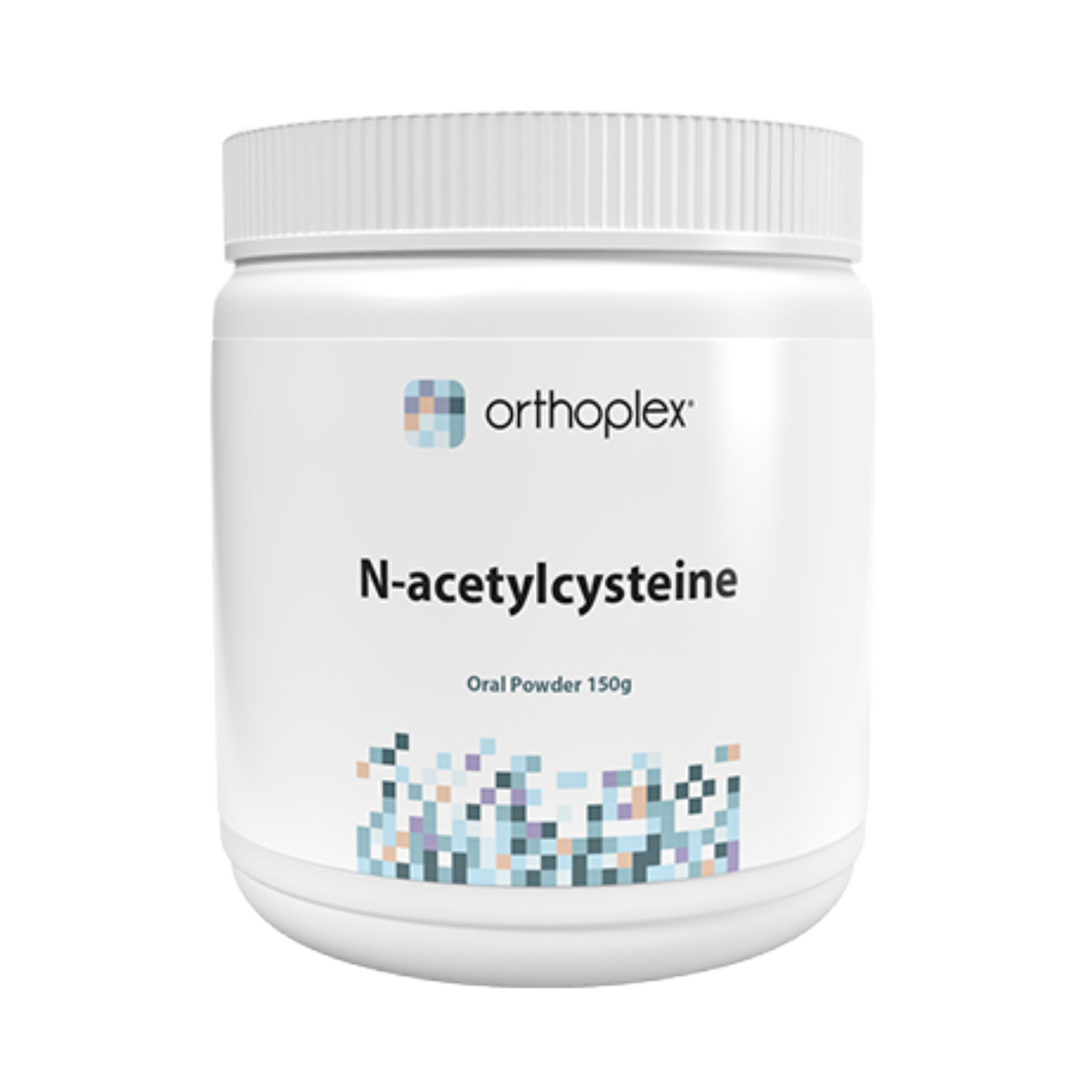
  • NAC: provides cysteine, one of the amino acids used to synthesise glutathione.
  • Protein: provides amino acids used throughout metabolism and conjugation pathways.
  • B vitamins & minerals: some act as cofactors in enzyme-driven metabolic reactions.
  • Fibre & bowel regularity: support the elimination side of the wider pathway.
  • Hydration: supports normal kidney and digestive function without needing extreme fluid intake.
!

Important: more ingredients, harsher cleanses and higher doses do not automatically mean better detoxification.

Frequently Asked Questions

What is cellular detoxification?

It is an umbrella term for normal biological processes that transform, neutralise, conjugate, transport and eliminate compounds.

Is cellular detoxification scientifically real?

The underlying biochemistry is real, but “cellular detoxification” is not a single medical pathway or diagnosis.

What are Phase I and Phase II pathways?

Phase I commonly includes oxidation, reduction and hydrolysis. Phase II includes conjugation reactions such as glutathione conjugation, sulfation and glucuronidation.

What does glutathione do?

Glutathione contributes to intracellular antioxidant defence and participates in selected enzyme-driven conjugation reactions.

Is NAC the same as glutathione?

No. NAC provides cysteine, which the body can use as one of the building blocks for glutathione synthesis.

Does a cleanse remove toxins from cells?

There is limited evidence that commercial detox programs broadly remove unspecified toxins from cells. Specific claims should identify the substance involved and the supporting evidence.

Related Products

Choose products by their ingredients and intended pathway support rather than assuming every “detox” formula works the same way.

L

Liver & Detox Pathway Support

Compare glutathione, NAC, milk thistle and broader liver formulas by the pathway they are designed to support.

Compare Support
D

Natural Detox Guide

See how the liver, kidneys, digestion, hydration and regular elimination work together in everyday detoxification.

Read Detox Guide
P

Protein & Detox Pathways

Understand how amino acids and adequate nutrition support normal metabolism, and why severe restriction is not required for detoxification.

Read Protein Guide
Important information and references

This guide provides general educational information about cellular detoxification, biotransformation, glutathione, antioxidant defence, transport and elimination. It does not diagnose, treat or replace professional healthcare advice.

The term “cellular detoxification” is used here as a broad explanatory term. It should not be interpreted as evidence that unspecified toxins have accumulated inside cells or that symptoms prove a detoxification process is occurring.

Commercial detox or cleansing programs may involve fasting, juices, restricted diets, herbs, supplements, laxatives or other interventions. Evidence that these programs broadly remove toxins is limited, and some approaches may carry risks.

Do not alter prescribed medicines or undertake aggressive detox protocols because of general wellness claims. Seek professional advice if pregnant, breastfeeding, taking medication, managing liver or kidney disease, or if symptoms are persistent, severe, unexplained or worsening.

  1. National Center for Complementary and Integrative Health — “Detoxes” and “Cleanses”: What You Need To Know.
  2. StatPearls / NCBI Bookshelf — Biochemistry, Biotransformation.
  3. The Key Role of Glutathione in Maintaining Cellular Redox Balance.
  4. Croom E — Metabolism of Xenobiotics of Human Environments.
  5. GhamaHealth Health Disclaimer & Liability Notice.