
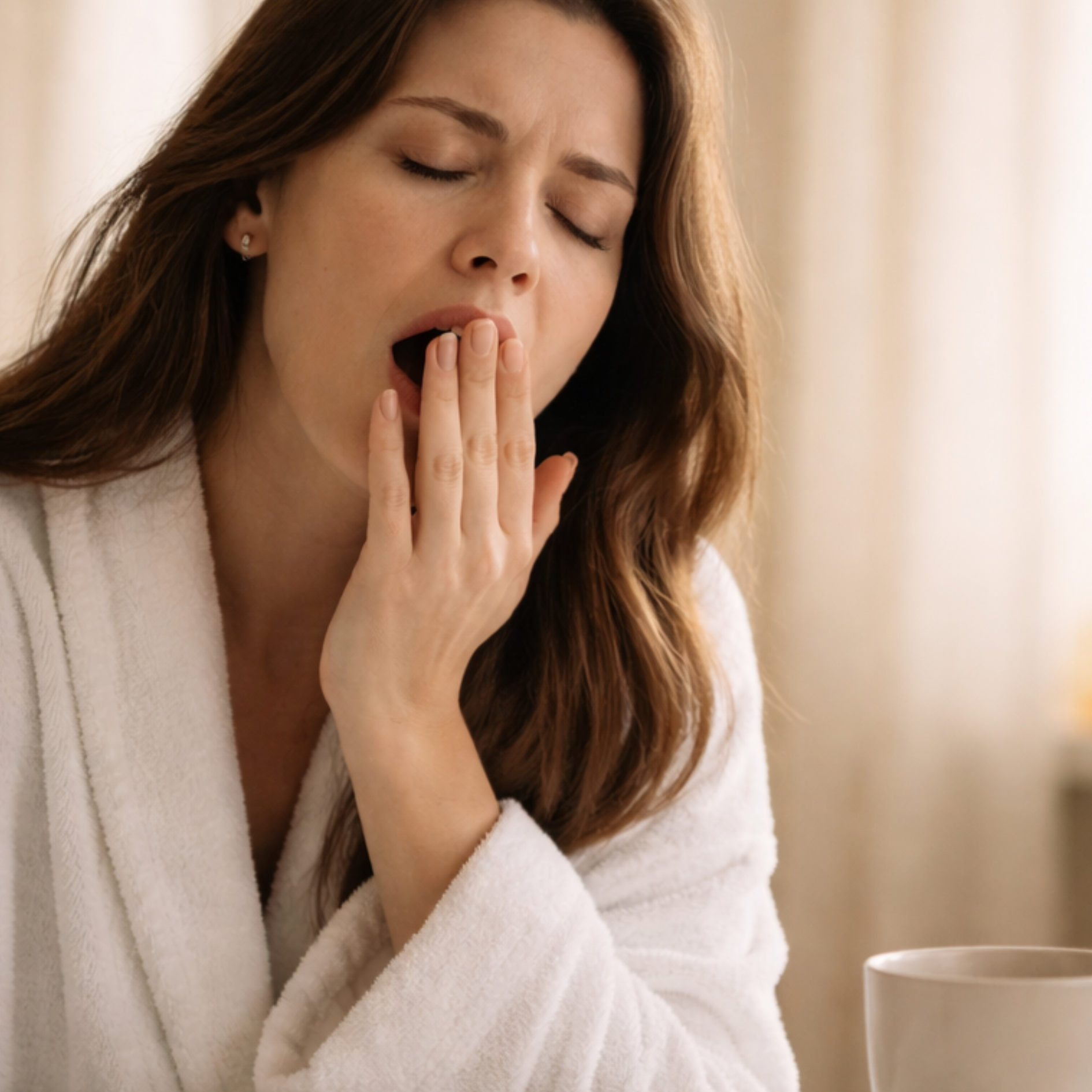












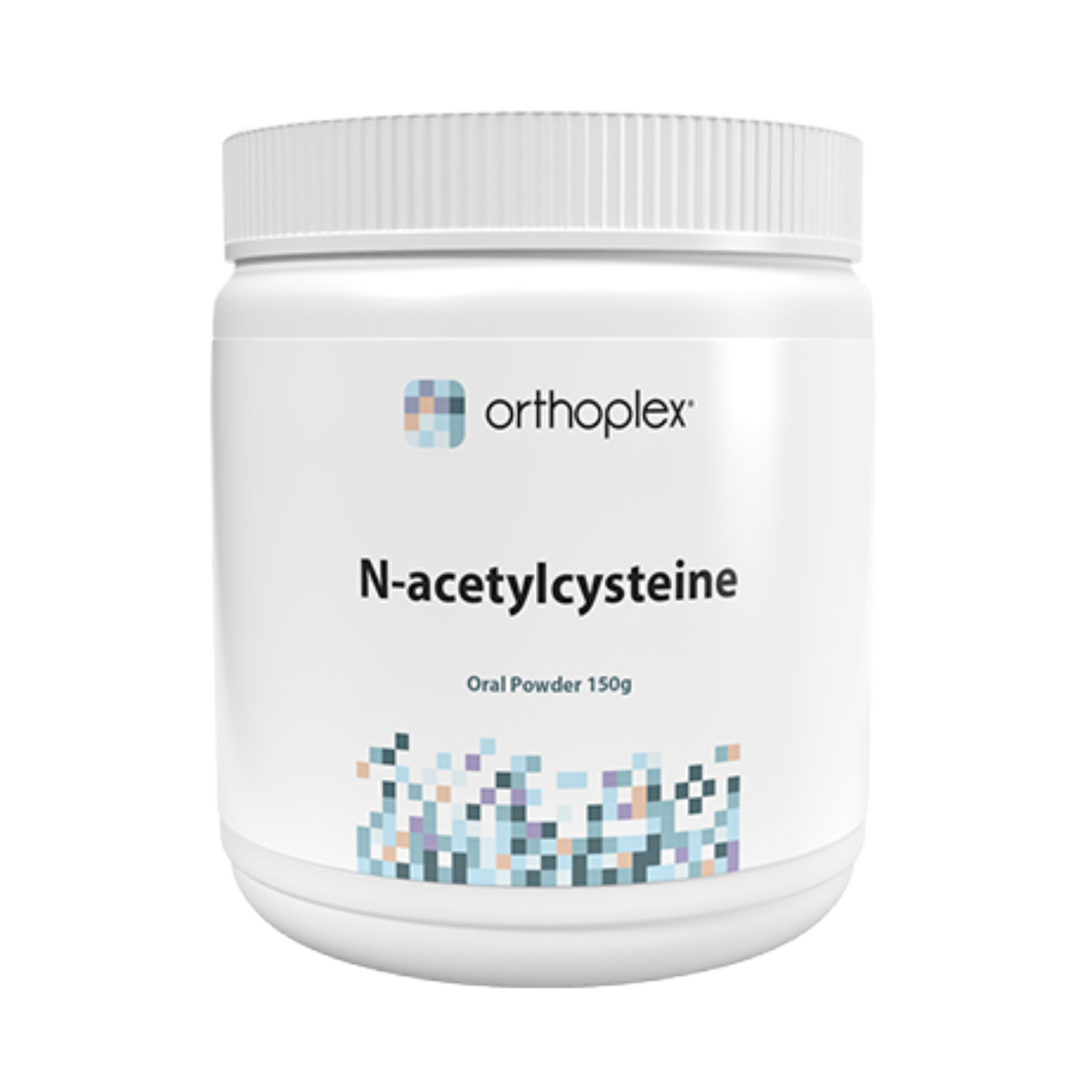
Ashwagandha vs rhodiola vs L-theanine stress support supplement comparison guide with soft calming wellness styling

Stress support guide

Ashwagandha vs Rhodiola vs L-Theanine — Which Stress Support Is Right for You?

Stress-support supplements are often grouped together, but they do not all suit the same person or the same type of stress. Calm, fatigue, focus and broader nervous-system support each call for a different kind of product.

Ashwagandha is usually positioned around calm and stress resilience. Rhodiola is more often used when stress and tiredness overlap. L-theanine is commonly chosen for relaxed focus. Broader blends may bring in B vitamins, magnesium or other support nutrients.

This guide keeps the choice practical: identify the main need first, check safety and medicines, then choose the ingredient and product format that fits the routine.

Overview

Not every stress-support product is trying to do the same job. Some products lean toward calm and emotional steadiness, some suit pressure with tiredness, and others are chosen for focus without feeling overstimulated.

If the priority is calm and resilience, ashwagandha may be the closer match. If stress also comes with low drive or fatigue, rhodiola may be worth comparing. If the goal is calm focus rather than sedation, L-theanine often makes more sense.

Blended nervous-system formulas sit in the middle. They can be useful, but they also make label checking more important because several active ingredients may be working together.

i

Key takeaway: Start with the main need — calm, stress with fatigue, relaxed focus or broader nutritional support.

How They Compare

Calm Support

Ashwagandha is commonly chosen when the routine focuses on calm and stress resilience.

Stress + Fatigue

Rhodiola is often selected when pressure and low energy show up together.

🧠

Calm Focus

L-theanine is usually linked with a more settled, focused mental state.

🌿

Adaptogen Angle

Ashwagandha and rhodiola are both adaptogenic herbs, but they are usually positioned differently.

Broad Support

Nervous system blends can support routines that need more than one angle at once.

🔄

Routine Fit

The strongest match depends on whether the routine is calming, energising or focus-oriented.

Types of Stress Support

Ashwagandha concept image with root powder capsules and calming neutral styling

Ashwagandha

Usually chosen for calm, stress resilience and steady everyday support.

Rhodiola concept image with sliced root powder and energising herbal styling

Rhodiola

Often used when emotional pressure and tiredness appear in the same routine.

L-theanine concept image with tea cup leaves and calm focus styling

L-theanine

Commonly used for relaxed focus, composure and a settled mind.

Nervous system blend concept image with capsules powder flowers and broader wellness styling

Nervous system blends

Broader formulas that may combine B vitamins and other support ingredients in one product.

Simple rule: ashwagandha leans calm and resilience, rhodiola leans stress-plus-fatigue, L-theanine leans calm focus, and blends offer broader nutritional support.

Choosing Tips

  • Start with the stress pattern — calm, fatigue, focus or broad nutritional support.
  • Check the active ingredient — herbs, amino acids and B-vitamin blends are not interchangeable.
  • Look for extract details — herbal products should clearly show plant part, extract strength or standardisation where relevant.
  • Watch product stacking — stress formulas can overlap with sleep, mood, adrenal or nervous-system products.
  • Keep safety visible — pregnancy, breastfeeding, liver health, mood medicines and regular medications all matter.

A good choice is not the strongest-looking label. It is the product that matches the stress pattern, is clearly labelled and suits the person using it.

Frequently Asked Questions

Is ashwagandha the same as rhodiola?

No. Both are adaptogenic herbs, but ashwagandha is usually positioned around calm and resilience, while rhodiola is more often compared for stress with fatigue.

Which option is more focus-oriented?

L-theanine is usually the cleaner focus-oriented option when the goal is calm focus rather than herbal adaptogen support.

Should ashwagandha be used long term?

Long-term suitability is not something to guess. Use the product directions and seek advice if using it continuously or alongside medicines.

Who should be careful with stress herbs?

Use caution with pregnancy, breastfeeding, liver concerns, autoimmune conditions, mood medicines, sedatives or complex medication routines.

Can I combine stress products?

Sometimes, but check the full ingredient list first. Stress, sleep, mood and nervous-system formulas often overlap.

What should I check on the label?

Check the active ingredient, extract details, plant part, amount per serve, directions, warnings and whether the product is single-ingredient or blended.

Practical Guidance Before Choosing

Stress-support products do not have daily nutrient requirements like magnesium or zinc. The smarter check is suitability: what the product is for, who should be cautious, and whether the label is clear enough to trust.

Suitability first
How to choose stress support safely

Start with the stress pattern, then check safety before comparing products. Herbs and amino acids can be useful, but they are not casual decorations on a label.

Calm and resilience Ashwagandha may suit calm-focused routines, but pregnancy, breastfeeding, liver history and medication use need caution.
Stress with fatigue Rhodiola is often compared when stress and tiredness overlap, but it may not suit everyone, especially sensitive or complex routines.
Calm focus L-theanine is commonly used for relaxed focus and is usually simpler than herbal blends.
Broad support Nervous-system blends can be useful when nutrients such as B vitamins are also part of the formula.
  • Avoid guessing if pregnant, breastfeeding, under medical care or using regular medication.
  • Be careful stacking stress, sleep, mood, adrenal and nervous-system products together.
  • Stop and seek advice if unusual symptoms appear, especially digestive upset, marked drowsiness, agitation, yellowing skin or dark urine.
  • For ongoing stress, mood changes or anxiety symptoms, supplements should not replace professional care.
Ashwagandha caution: Rare cases of liver injury have been linked with ashwagandha products. It should be avoided in pregnancy and breastfeeding, and people with liver concerns should seek professional advice first.
What makes a good stress-support formula?

A good stress-support formula is clear, purposeful and not overbuilt. The best sign is not a long ingredient list — it is a label that tells you exactly what is included and why.

Clear active ingredient The label should make it obvious whether the formula is built around ashwagandha, rhodiola, L-theanine, B vitamins or a blend.
Extract details Herbal products should ideally show plant part, extract ratio or standardisation where relevant.
Sensible serving size Check the amount per capsule, scoop or tablet rather than relying on front-label claims.
Australian compliance Many listed complementary medicines show an AUST L number and must meet relevant safety, quality and labelling requirements.
  • Choose single-ingredient products when you want a targeted option.
  • Choose blends when you genuinely need broader support, not because the label looks busier.
  • Check excipients, caffeine or stimulating ingredients if you are sensitive.
  • Look for clear warnings around pregnancy, breastfeeding, medication use and health conditions.
Bottom line: quality stress support should be matched to the person, not the trend. Clear labelling, sensible dosing and proper warnings matter more than a dramatic front label.
💊

How to Use

Follow the product label. Capsules, powders and blends can use very different serving sizes, active strengths and timing directions.

Simple guide: match the product to the main stress pattern first, then check the active ingredient, serve size and cautions.

🛡

Safety & Considerations

  • Avoid ashwagandha during pregnancy and breastfeeding unless professionally advised.
  • Use caution with liver concerns, mood medicines, sedatives, autoimmune conditions or complex medication routines.
  • Do not layer stress, sleep, mood and nervous-system products without checking the full ingredient list.
💬

Need Help Choosing?

Start with the main aim: calm resilience, stress with fatigue, relaxed focus or broader nervous-system support.

Once the role and cautions are clear, choosing the right stress-support product becomes much easier.

Explore Stress Support