












Immune Support Skin Integrity Mineral Balance
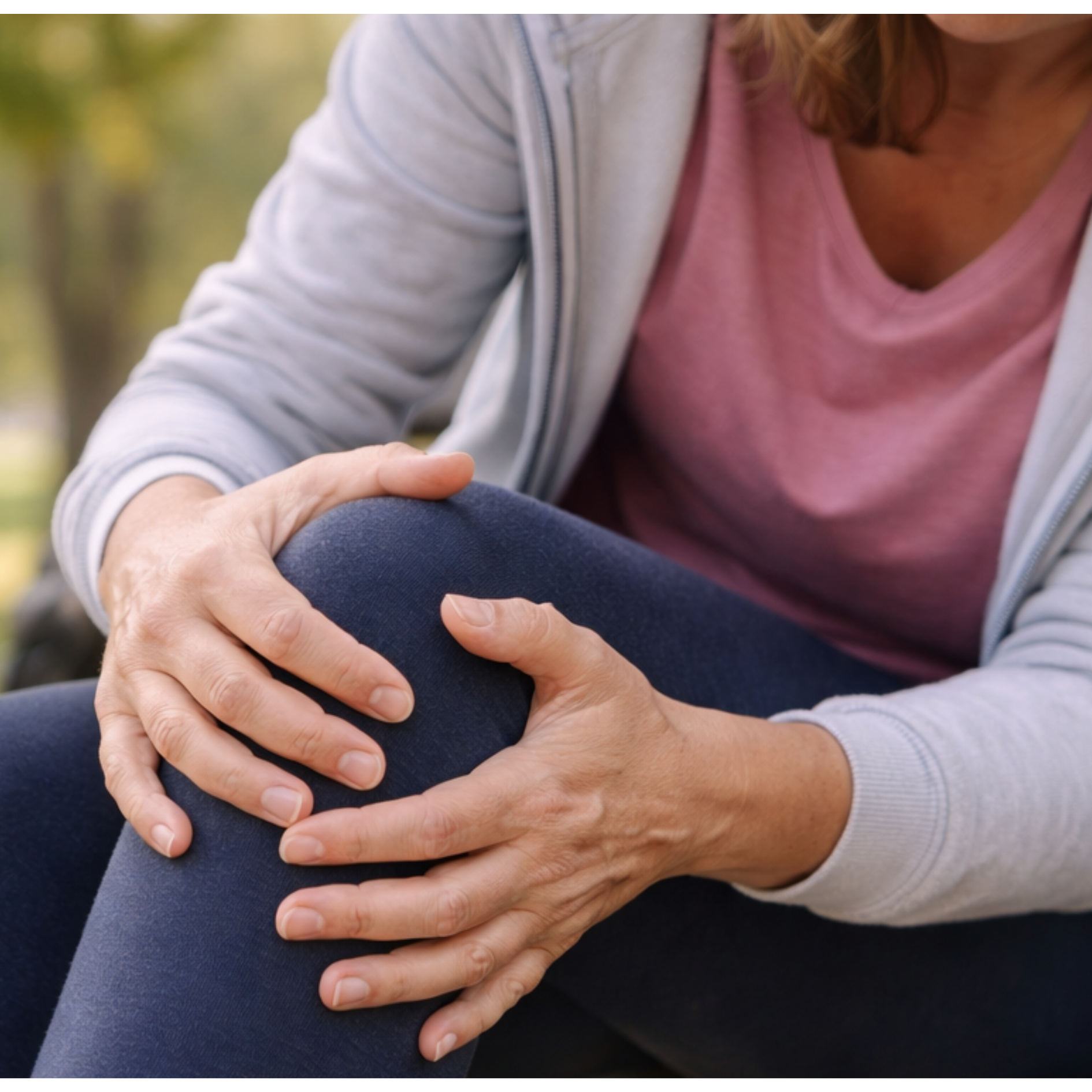
Calm editorial wellness scene representing zinc support for immunity, skin integrity, fertility and gut health

Mineral guide

Zinc for Immunity,
Skin, Fertility & Gut Health

How zinc supports immune function, skin repair, reproductive health, gut integrity and everyday mineral balance.

… looking for practical immune support?

… comparing zinc forms and wondering which one makes sense?

… thinking about skin, fertility, gut health or copper balance?

Zinc is an essential trace mineral involved in immune function, wound healing, skin integrity, reproductive health, DNA synthesis, taste and smell, antioxidant defence and normal growth and repair. This guide explains what zinc does, how common forms differ, and what to check before using zinc supplements.
Key Takeaways
  • Zinc supports immune function, DNA synthesis, wound healing, skin integrity and cell repair.
  • It also contributes to antioxidant defence, taste, smell and reproductive health.
  • Different zinc forms suit different purposes, from everyday support to lozenges or gut-focused zinc carnosine.
  • High-dose or long-term zinc may affect copper status, so more is not automatically better.
  • Food intake, supplement dose, medication use and individual health context all matter when choosing zinc.

Written by GhamaHealth Editorial Team | Reviewed: 30 April 2026


Zinc appears in many conversations about immune support, skin health, repair, fertility and healthy ageing because it is involved in a wide range of biological processes.

The practical challenge is knowing which form makes sense, how much is appropriate, what affects absorption, and when zinc should be separated from other minerals or medicines. Reading the full supplement label matters, especially when zinc appears in more than one product.

Foundation

What zinc does in the body

Zinc acts as a catalytic, structural and regulatory mineral. In plain English, it helps enzymes work, supports protein structure and contributes to gene expression, growth and repair.

Zinc is involved in immune function, DNA synthesis, protein synthesis, cell division, wound healing and normal growth. It also contributes to taste, smell, skin integrity and reproductive health.

Because the body does not store large zinc reserves, regular intake from food or supplements matters. Oysters, red meat, poultry, seafood, dairy, legumes, nuts, seeds and whole grains can all contribute zinc, although absorption varies.

Immune function

Supports the normal development and activity of immune cells.

Repair

Contributes to wound healing, tissue repair and skin integrity.

Metabolism

Supports enzymes involved in protein, carbohydrate and fat metabolism.

Everyday support

Immunity, skin and wound healing

Zinc is commonly used in immune and skin formulas because it supports normal immune responses, tissue repair and healthy skin structure.

Zinc supports normal immune cell function and contributes to antioxidant defence systems. Zinc lozenges are sometimes used short term during common colds, although evidence is mixed and product form, dose and timing matter.

For skin, zinc contributes to cell division, tissue repair and wound healing. It is often discussed in relation to acne-prone skin, minor wound repair, rashes and general skin integrity. Zinc should not be framed as a stand-alone acne treatment, but it may be relevant when zinc intake, inflammation, skin barrier function and overall diet are considered together.

Immune support

Supports normal immune cell activity and everyday immune resilience.

Skin integrity

Contributes to repair processes, wound healing and barrier function.

Short-term formulas

Lozenges may be used differently from daily zinc capsules, so label directions matter.

Whole-body relevance

Fertility, hormones and healthy ageing

Zinc is important for reproductive health, hormone-related pathways, antioxidant defence and healthy ageing because it participates in cell division, protein synthesis and normal immune regulation.

In male reproductive health, zinc is involved in sperm production, sperm quality and testosterone-related pathways. In broader reproductive health, zinc contributes to normal cell division and hormone-related functions.

Zinc also supports antioxidant enzymes that help protect cells from oxidative stress. This is one reason zinc often appears in formulas for healthy ageing, immune resilience, skin health and reproductive support.

Fertility, hormones, skin and ageing are not single-mineral issues. Zinc may be relevant, but it should be considered alongside diet quality, iron status, vitamin D, omega-3 intake, sleep, metabolic health and professional assessment where needed.

Fertility support

Relevant to sperm production, reproductive tissue health and cell division.

Antioxidant defence

Supports enzymes involved in protecting cells from oxidative stress.

Healthy ageing

Often included in formulas that support immunity, skin, repair and resilience.

Targeted use

Gut health and zinc carnosine

Zinc carnosine is a specialised zinc complex often used in gut-focused formulas, especially where stomach lining and intestinal barrier support are the focus.

Zinc carnosine, also known as polaprezinc, combines zinc with the dipeptide carnosine. Unlike general zinc supplements, zinc carnosine is typically positioned for local gastrointestinal support rather than simply correcting zinc intake.

It is often considered in formulas designed to support the stomach lining, mucosal integrity and gut barrier function. It may sit alongside nutrients such as glutamine, slippery elm, aloe, deglycyrrhizinated liquorice, probiotics or digestive support products depending on the goal.

Because zinc carnosine still contributes zinc, it should be counted toward total zinc intake. This matters if someone is already taking a multivitamin, immune formula or separate zinc capsule.

Important zinc carnosine note

Zinc carnosine is not the same as taking any zinc form for general immune support. It is a targeted gut-support form and should be considered within the total daily zinc picture.

Compare forms

Common zinc supplement forms

Different zinc forms vary in absorption, gut tolerance and typical use. The right form depends on the purpose, the person and the full supplement formula.

Zinc form Often used for Practical note
Zinc bisglycinate / glycinate Everyday zinc support, sensitive digestion, long-term formulas A gentle, well-tolerated form commonly used in practitioner-style products.
Zinc picolinate Targeted zinc repletion, skin and immune formulas Often selected for systemic zinc support where stronger correction may be considered.
Zinc citrate General zinc support A balanced option with good tolerability for everyday use.
Zinc gluconate Immune formulas and lozenges Common in short-term cold and flu products, especially lozenges.
Zinc acetate Short-term lozenge use Often discussed in cold-lozenge research; use should follow the product label.
Zinc sulfate Short-term correction under guidance May be less gentle on the stomach and is usually better suited to supervised use.
Zinc methionine Antioxidant, immune and whole-body support A chelated form sometimes used in formulas focused on retention and tolerability.
Zinc oxide Topical barrier products Useful topically in creams and sunscreens, but not usually preferred for oral zinc support.
Zinc carnosine Gut lining and stomach mucosal support A targeted zinc complex used for gastrointestinal support, not just general zinc intake.
Use wisely

Absorption, copper balance and safety

Zinc can be helpful, but more is not automatically better. Dose, duration and mineral balance matter.

Zinc absorption can be affected by phytates found in some grains, legumes, nuts and seeds. This does not make those foods “bad”; it simply means diet pattern and preparation methods can influence mineral availability.

Zinc can also interact with iron, calcium and copper. High-dose or long-term zinc may reduce copper status, so people taking zinc regularly should consider total intake from all supplements, including multivitamins and immune formulas.

Excessive zinc intake may cause nausea, vomiting, appetite changes, abdominal cramps, diarrhoea, headaches and mineral imbalance. Zinc may also interact with some medicines, including certain antibiotics. When medicines are involved, ask a GP, pharmacist, dietitian or qualified healthcare professional about timing and suitability.

Take with food

Zinc can cause nausea when taken on an empty stomach.

Watch copper

Long-term high-dose zinc may affect copper status and mineral balance.

Separate when needed

Iron, calcium and some medicines may need spacing away from zinc.

Safety reminder

Children, pregnant or breastfeeding people, those taking prescription medicines, and anyone managing chronic illness should seek professional advice before using higher-dose zinc or combining multiple zinc-containing products.


Useful next step

FAQs + Checklist

Use these quick answers to compare zinc forms, check labels and avoid stacking too many zinc-containing products at once.

What does zinc support?

Zinc supports immune function, wound healing, skin integrity, DNA synthesis, reproductive health, taste, smell, antioxidant defence and normal growth and repair.

Which zinc form is best?

There is no single best zinc form for everyone. Zinc bisglycinate is often chosen for gentle everyday support, zinc picolinate for targeted zinc support, zinc gluconate or acetate for lozenges, and zinc carnosine for gut lining support.

Can zinc help with colds?

Zinc lozenges may slightly shorten the duration of an existing cold in some research, but evidence is not conclusive and side effects are possible. Zinc should not be presented as a guaranteed cold prevention or treatment.

Can zinc be taken every day?

Zinc can be taken daily when the dose and product are suitable, but long-term or high-dose use should be approached carefully because excessive zinc may affect copper status and mineral balance.

Should zinc be taken with food?

Yes, zinc is often better tolerated with food. Taking zinc on an empty stomach can cause nausea in some people.

Can zinc be taken with iron or calcium?

Zinc, iron and higher-dose calcium may compete for absorption. If using separate mineral supplements, spacing them apart may be useful unless a healthcare professional has advised otherwise.


Bring it together

Conclusion

Zinc is a foundational mineral for immune function, skin integrity, wound healing, reproductive health, taste, smell, antioxidant defence and normal growth and repair.

The most sensible approach is to consider food intake first, then use supplements where intake is low or targeted support is needed. Form, dose, duration, copper balance, medicines and individual health needs all matter.


A final note

Important Information

Disclaimer

This page is for general educational purposes only and is not medical advice, diagnosis or treatment. Supplements should not replace medical care, prescribed treatment or personalised dietary advice.

People who are pregnant, breastfeeding, taking prescription medicines, giving supplements to children, or managing immune, liver, gut, kidney, metabolic or reproductive health concerns should seek advice from a GP, pharmacist, dietitian or qualified healthcare professional before using zinc supplements.

For more details, read our Health Disclaimer & Liability Notice.

References
  1. National Institutes of Health, Office of Dietary Supplements. Zinc: Fact Sheet for Health Professionals.
  2. National Institutes of Health, Office of Dietary Supplements. Zinc: Consumer Fact Sheet.
  3. Nutrient Reference Values for Australia and New Zealand. Zinc.
  4. Cochrane Library. Zinc for Prevention and Treatment of the Common Cold.
  5. Prasad AS. Zinc in Human Health: Effect of Zinc on Immune Cells. Molecular Medicine. 2008;14(5–6):353–357.
  6. Saper RB, Rash R. Zinc: An Essential Micronutrient. American Family Physician. 2009;79(9):768–772.
  7. Ogawa Y, et al. Zinc and Skin Biology. Archives of Biochemistry and Biophysics. 2016;611:113–119.
  8. Takagi T, et al. Zinc Carnosine Protects Gastrointestinal Mucosa Through Anti-inflammatory and Antioxidant Mechanisms. Journal of Clinical Biochemistry and Nutrition. 2014;54(3):180–185.