













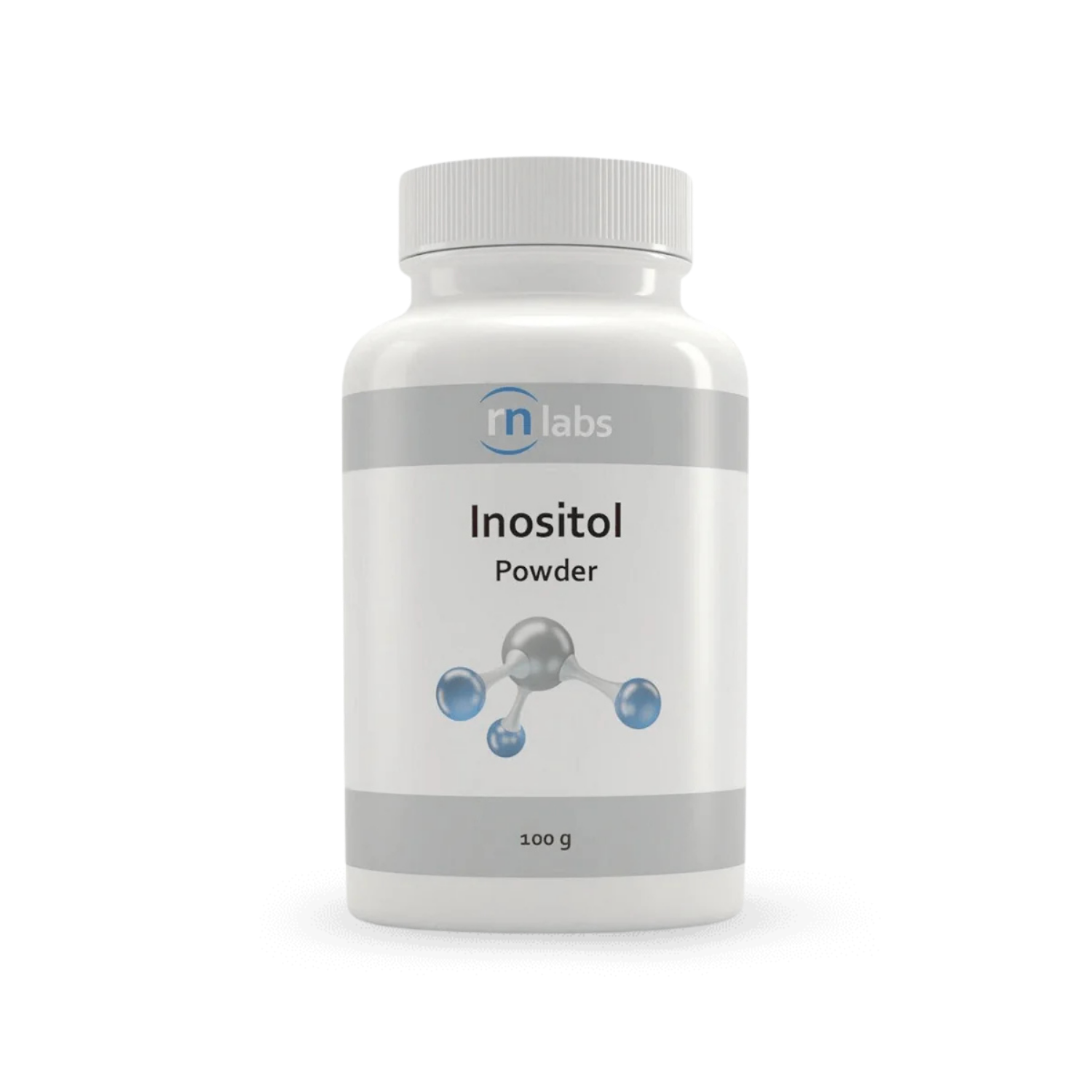
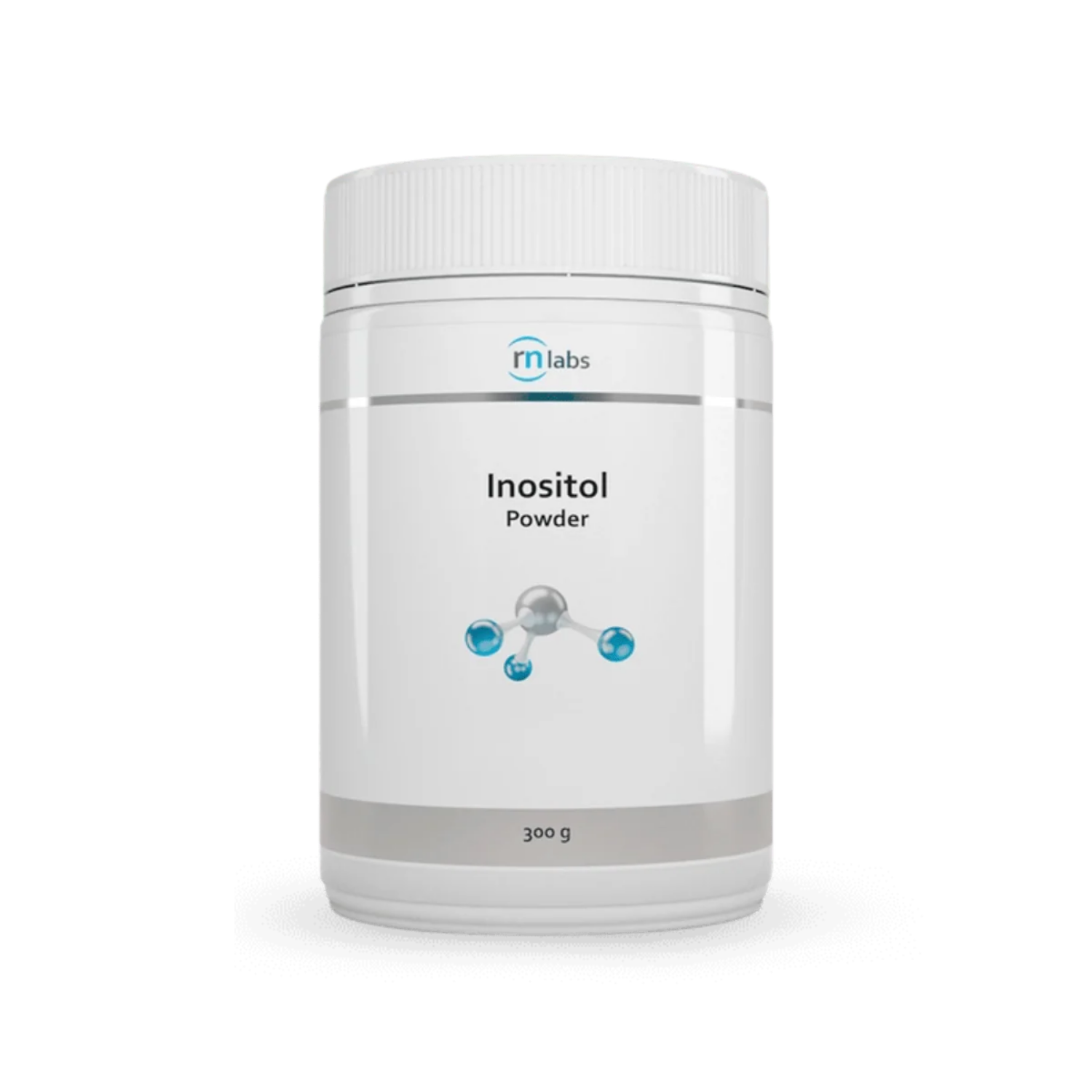
Inositol Powder

Regular price $99.95 AUD

Key Benefits

  • Mood & mental wellbeing
  • Insulin sensitivity support
  • Hormonal balance support
View full range — RN Labs

Size

💗 Australian-owned • Independent wellness

Practitioner-grade support. Always read the label and follow the directions for use.

Shipping & Dispatch $19.95 flat rate · Free over $200

Australia Post — fully trackable.


  • Free shipping: $200+
  • Flat rate: $19.95 Australia-wide

Dispatch: usually within 1–3 business days

The Versatile Sugar Alcohol for Holistic Well-being

Inositol, sometimes called vitamin B8 (though not a proper vitamin), is a naturally occurring sugar alcohol found in many foods but can also be synthesized in the human body. Its powder form is commonly used as a dietary supplement due to its potential health benefits.

Mood & mental wellbeing

Insulin sensitivity support

Hormonal balance support


Inositol 3 g

  1. Mental Health Support: For addressing mood disorders or symptoms of OCD: 12g to 18g daily, often divided into multiple doses.
  2. Polycystic Ovary Syndrome (PCOS) and Fertility: For improving symptoms related to PCOS, 2g to 4g daily.
  3. Fertility Purposes: 2g to 4g daily, sometimes combined with other supplements.
  4. Managing Insulin Resistance: 2g to 4g should be taken daily to manage insulin resistance.
  5. General Supplementation: Those taking it for overall health or other reasons can range from 500mg to 2g daily.
  6. Safety and Tolerance: Inositol is generally well-tolerated, especially at lower doses. At higher doses (above 12g daily), some individuals might experience gastrointestinal discomfort, diarrhea, or nausea. It's often recommended to start with a lower dose and adjust based on individual tolerance and needs.
  7. Form and Timing: Inositol powder allows for easy dose adjustment and can be mixed with water, juice, or other beverages. It can be taken at any time of the day, though some people prefer taking it with meals to reduce potential stomach upset.
  • Inositol has not been extensively tested for its effects during pregnancy.
  • Avoid use during pregnancy or lactation unless confident that its impact can be reasonably deemed to be safe or beneficial.
  • Always read the label.
  • Dietary supplements should not replace a balanced diet.
  • If symptoms persist, worsen, or change unexpectedly, consult your healthcare professional.
Inositol FAQsCommon questions about inositol supplements
What is inositol?

Inositol is a naturally occurring vitamin-like compound found in the body and in some foods. In supplements, it is commonly used in hormone balance, PCOS support, cycle support, fertility, mood, metabolic and practitioner-style formulas.

Is inositol a vitamin?

Inositol is sometimes described as a vitamin-like compound, but it is not classified as an essential vitamin in the same way as B vitamins. It is naturally involved in cell signalling, insulin signalling and several body processes.

What does inositol help support?

Inositol supplements are commonly used to support hormone balance, ovarian function, menstrual cycle regularity, insulin signalling, glucose metabolism, fertility support and general wellbeing. The exact purpose depends on the form, dose, ratio and full product formula.

How do I choose the right inositol supplement?

Look at the type of inositol, amount per serve, whether it contains myo-inositol, D-chiro-inositol or both, the ratio used, added nutrients such as folate, dose directions and whether the product is designed for PCOS, fertility, hormone balance or metabolic support.

What is myo-inositol?

Myo-inositol is one of the most commonly used forms of inositol in supplements. It is often included in PCOS, fertility, hormone balance and glucose metabolism formulas. Suitability depends on the product, dose, individual needs and professional guidance where needed.

What is D-chiro-inositol?

D-chiro-inositol is another form of inositol used in some hormone and metabolic-support formulas. It is sometimes combined with myo-inositol. The amount and ratio matter, so it is best to compare the full formula rather than choosing based on one ingredient alone.

What does a 40:1 myo-inositol to D-chiro-inositol ratio mean?

A 40:1 ratio means the formula contains more myo-inositol than D-chiro-inositol. This ratio is commonly used in some PCOS and fertility-support products. The best ratio depends on the person, product purpose and professional guidance where appropriate.

Can inositol support PCOS?

Inositol is commonly used in PCOS-support formulas, especially where menstrual cycle regularity, insulin signalling, ovarian function or metabolic support are part of the concern. PCOS is a medical condition, so supplements should sit alongside proper assessment and professional care.

Can inositol support menstrual cycle regularity?

Inositol may be included in formulas aimed at supporting menstrual cycle regularity, especially in people with PCOS or metabolic concerns. Irregular cycles can have many causes, including thyroid issues, stress, weight changes, medications, perimenopause or other hormonal conditions, so persistent changes should be assessed.

Can inositol support fertility?

Inositol is commonly used in fertility and preconception formulas, particularly where PCOS or insulin signalling is part of the picture. Fertility needs are individual, so inositol should be considered as part of a broader plan with professional guidance where appropriate.

Can inositol support glucose metabolism?

Inositol is commonly used in metabolic-support formulas because of its role in insulin signalling and glucose metabolism. If you have diabetes, insulin resistance, low blood sugar episodes or take blood-sugar-lowering medication, speak with your doctor or pharmacist before use.

Can inositol affect blood sugar?

Inositol may affect glucose metabolism in some people. Use caution if you take insulin, metformin, diabetes medicines or other supplements that influence blood sugar. Seek advice if you experience shakiness, sweating, dizziness, weakness, confusion or other low blood sugar symptoms.

Is inositol the same as folate?

No. Inositol and folate are different nutrients. Some fertility, PCOS or pregnancy-planning formulas may contain both, but they play different roles. Check the full formula before adding extra folate or pregnancy supplements.

When is the best time to take inositol?

Timing depends on the product and your tolerance. Some inositol products are taken once daily, while others are divided across the day. Always follow the product label and avoid taking more than directed.

Can inositol cause side effects?

Inositol is generally well tolerated by many people, but some may experience nausea, bloating, flatulence, diarrhoea, stomach discomfort, headache, dizziness, tiredness or changes in how they feel. If symptoms are severe, persistent or unusual, stop use and seek professional advice.

Can I take inositol with medication?

Use caution. Inositol may not suit some medicines or medical situations, especially diabetes medicines, blood-sugar-lowering medicines, fertility medicines, hormone treatments, mood medicines or other prescribed treatments. Ask your doctor or pharmacist before use if you take regular medication.

Can I take inositol with other hormone or fertility supplements?

Be careful when combining products. Fertility formulas, PCOS formulas, prenatal supplements, methylfolate products, B vitamins and metabolic-support products may overlap. Check the full ingredient panels before combining products to avoid unnecessary duplication.

Is inositol suitable during pregnancy or breastfeeding?

Inositol may appear in some pregnancy-planning or pregnancy-related formulas, but suitability depends on the product, dose, added ingredients and individual circumstances. If you are pregnant, planning pregnancy or breastfeeding, speak with your doctor, midwife, pharmacist or qualified health professional before use.

Can children take inositol supplements?

Children should only use inositol products that clearly state age suitability and are appropriate for their needs. For young children, teenagers with hormonal, mood, metabolic or medication concerns, seek professional advice first.

Who should be cautious with inositol supplements?

People who are pregnant, breastfeeding, taking medication, managing diabetes, low blood sugar, PCOS, fertility treatment, mood conditions, bipolar disorder, hormone-sensitive conditions, diagnosed medical conditions, or shopping for a child should seek professional advice before using inositol.

Is this information a replacement for medical advice?

No. This information is general only and does not replace personalised medical advice. If you are pregnant, breastfeeding, taking medication, shopping for a child, managing PCOS, fertility concerns, glucose metabolism, mood symptoms or a diagnosed condition, speak with a qualified health professional before use.