
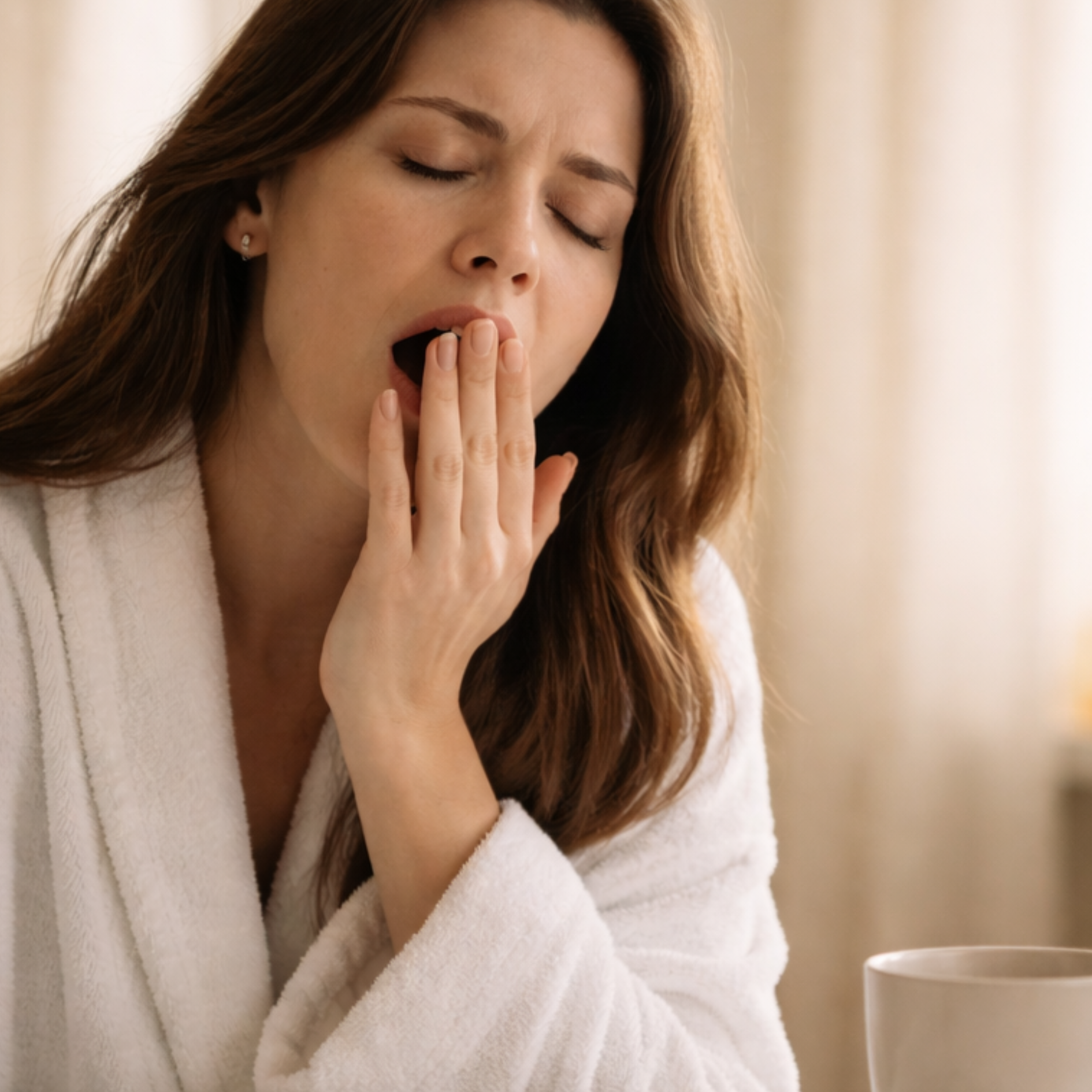












Why Am I Still Tired After Sleeping?
A full night in bed does not always mean restorative sleep. Explore how sleep quality, timing, stress and other influences may affect how you feel when you wake.
Symptoms do not always tell the whole story on their own. Explore why familiar experiences sometimes overlap, what may shape their patterns, and which details can make the wider picture clearer.
An educational resource for understanding symptom patterns — not a diagnostic tool or a substitute for medical advice.
Fatigue, poor sleep, digestive changes and difficulty concentrating can occur alone or alongside one another. Their timing, frequency and circumstances may offer useful clues about what is happening.
Some experiences have overlapping influences, including stress, nutrition, medication or existing health conditions. Others occur together by coincidence. Symptom Connections explores what scientific evidence can tell us, helping readers ask better questions without assuming a diagnosis.
Start with a familiar symptom pair. Each pathway gathers GhamaHealth articles that examine the different factors worth understanding.
Swipe to explore all six connections →
A full night in bed does not always mean restorative sleep. Explore how sleep quality, timing, stress and other influences may affect how you feel when you wake.
Bloating and changes in bowel habits can appear together for several reasons. Explore how meal timing, symptom frequency and changes in stool patterns can help put them in context.
Difficulty concentrating can accompany low energy, although the two do not always share a cause. Read about sleep, stress, nutrition and other factors that can affect mental clarity.
When digestive changes occur alongside fatigue, more than one body system may be relevant. Explore how thyroid function, nutrition and metabolism can influence these experiences.
Discomfort after richer meals can involve several digestive processes. Learn about fat digestion, stomach function and individual food tolerance, and why recurring symptoms deserve attention.
Headaches can disturb sleep, and inadequate sleep may aggravate some headache patterns. Explore these possible influences and the value of noticing changes in frequency or severity.
These pathways collect existing GhamaHealth articles. New investigations will be added when they offer useful insights beyond the current collection.
A few practical observations can make symptoms easier to describe and help guide a conversation with a healthcare professional.
Swipe to see all three considerations →
Note when symptoms begin, how long they last and whether they follow meals, activity or changes in routine. A symptom diary can help you discuss patterns with a healthcare professional.
Sleep, hydration, diet, stress, medication and existing health conditions may affect how you feel. A possible influence is a starting point for questions, not proof of a cause.
Seek medical advice for persistent, worsening, unexplained or unusual symptoms. Sudden or severe symptoms may need urgent assessment rather than self-management.
Better health understanding begins with thoughtful questions, reliable evidence and an appreciation of individual differences. Our focus is practical education, not simple answers to complex symptoms.
That means explaining what is known, acknowledging uncertainty and avoiding automatic symptom-to-supplement recommendations or shortcuts around appropriate medical care.
Explore GhamaHealth's other educational resources for detailed articles, formulation insights and guidance on navigating product categories.
Swipe to explore all three libraries →
Read in-depth articles on nutrition, physiology, lifestyle and the evidence behind common health and wellness questions.
Explore the Journal →
Learn about practitioner-grade nutritional brands, their ingredient choices, formulation rationale and the evidence and limitations behind them.
Explore the Library →
Browse wellness support categories and learn about nutritional products in the context of your interests and individual needs.
Explore the Guide →Symptom Connections is for general information and education only. It does not provide a medical diagnosis or personalised treatment advice and is not a substitute for professional healthcare. Symptoms may have many causes, and occurring together does not establish a particular condition. Seek advice from a qualified healthcare professional for persistent, unexplained, worsening or concerning symptoms. Seek urgent medical assistance for sudden or severe symptoms, including chest pain, serious breathing difficulty, sudden weakness or a sudden severe headache. Read our Health Disclaimer & Liability Notice for further information.