













AminoIndex Glutathione precursor Antioxidant pathways Sulfur amino acid

AminoIndex education

Cysteine: Glutathione, Antioxidant Defence and Sulfur Amino Acid Support

A practical GhamaHealth guide to cysteine, NAC, glutathione pathways, protein structure, sulfur amino acid nutrition, food sources and supplement safety.

Wondering why cysteine is often linked with glutathione?

Trying to compare cysteine, NAC, glutathione, glycine and methionine?

Not sure when NAC-style support is useful, or when extra caution is needed?

Cysteine is a conditionally essential sulfur-containing amino acid involved in protein structure and glutathione production. It is important, but it should not be marketed as a detox cure, immune treatment, skin treatment, respiratory medicine or heavy-metal clearance shortcut.
Key Takeaways
  • Cysteine is conditionally essential. The body can usually make it, but needs may vary with illness, stress, protein intake and metabolic demand.
  • It is a sulfur amino acid. Cysteine contains sulfur and helps form disulfide bonds that influence protein structure.
  • It supports glutathione production pathways. Glutathione is made from glutamate, cysteine and glycine.
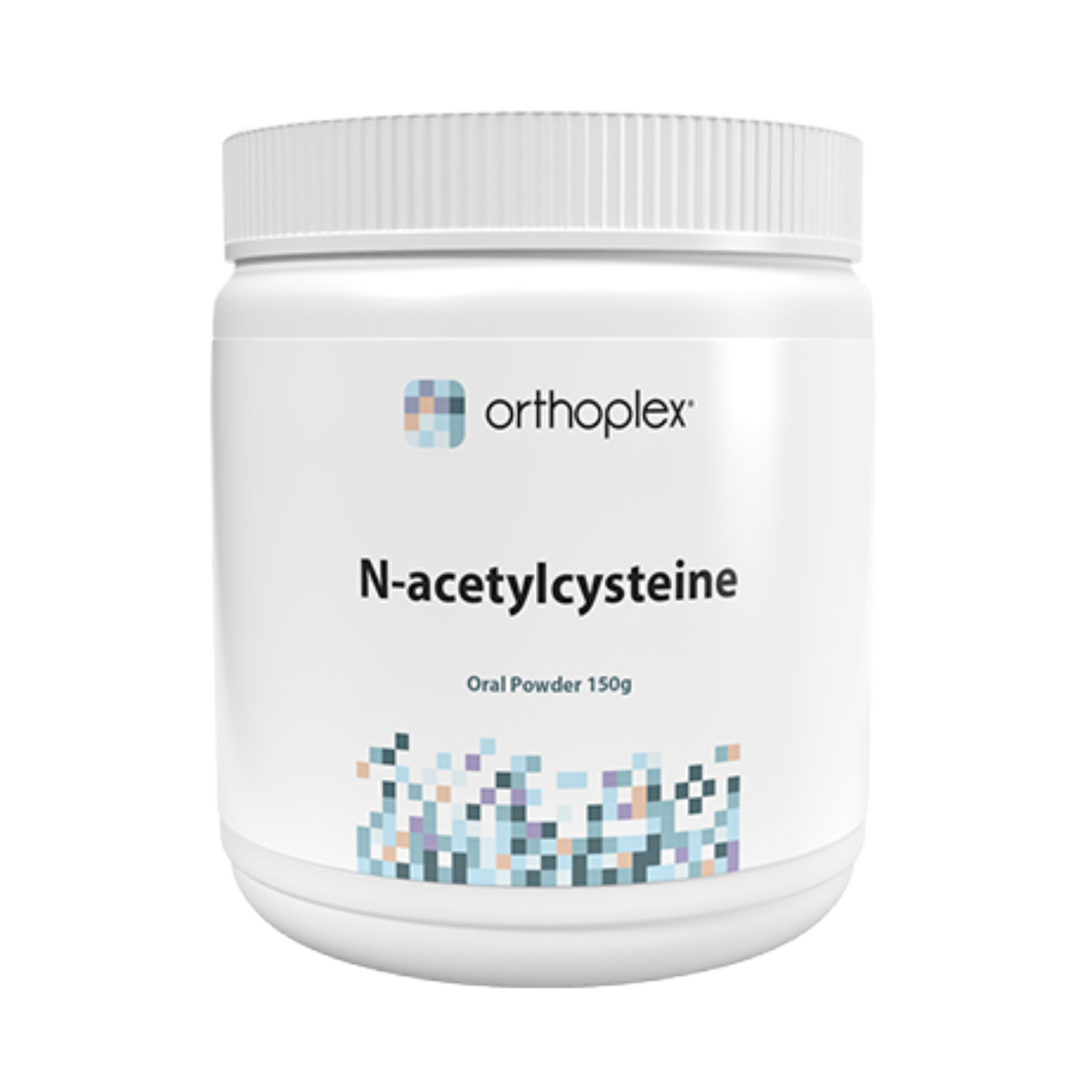
  • NAC is a related supplement form. N-acetyl cysteine is commonly used as a stable cysteine precursor.
  • Claims need care. Avoid presenting cysteine or NAC as a treatment for respiratory disease, liver disease, immune disorders, skin conditions or heavy-metal toxicity.

Published: November 2023 • Reviewed: 18 June 2026


Cysteine is one of the more commercially relevant AminoIndex pages because it connects directly with NAC, glutathione, antioxidant pathways, respiratory-support formulas and liver-support conversations.

The older version of this page had the right direction, but the wording around detoxification, immune support and toxin removal was too broad. Those claims need a calmer, more specific framework.

This rebuild keeps cysteine useful without turning it into magic sulfur dust. The focus is glutathione production pathways, protein structure, food sources, NAC comparison, product suitability and safety.

The context layer

How to think about cysteine

Cysteine is best understood as a conditionally essential sulfur amino acid involved in protein structure and glutathione production pathways.

Cysteine is classified as a conditionally essential amino acid. This means the body can usually make it, but demand may become more relevant during illness, stress, low protein intake or higher metabolic load.

It is also a sulfur-containing amino acid. That sulfur group helps cysteine form disulfide bonds, which influence the shape and stability of many proteins.

In supplement conversations, cysteine is most often discussed through N-acetyl cysteine, commonly known as NAC. NAC is a related compound used to support cysteine availability and glutathione pathways.

Amino acid type

Conditionally essential sulfur-containing amino acid.

Common abbreviation

Cys, commonly represented by the one-letter code C.

Best page language

Glutathione pathways, antioxidant defence, protein structure and NAC comparison.

GhamaHealth view

Cysteine is a genuine pathway nutrient. Keep the wording specific: glutathione precursor, sulfur amino acid and protein-structure support. Avoid the lazy “detoxes everything” line — it belongs in the marketing compost bin.

The glutathione layer

Cysteine and glutathione pathways

Glutathione is made from three amino acids: glutamate, cysteine and glycine. Cysteine is often discussed because it can be a key rate-limiting building block.

Glutathione building block

Cysteine is one of the amino acids used to make glutathione.

Antioxidant network

Glutathione helps maintain cellular redox balance and antioxidant defence.

Protein intake matters

Protein supplies amino acids that support antioxidant systems, detox enzymes and tissue maintenance.

Not a quick detox

Glutathione support is not the same as flushing toxins or overriding unhealthy habits.

Raw material support

Cysteine, glycine and glutamate availability all matter for glutathione synthesis.

Support context

Sleep, diet quality, alcohol load, stress and illness can influence antioxidant demand.

The protein layer

Sulfur and protein structure

Cysteine’s sulfur group gives it a unique role in protein folding and structural stability.

Two cysteine residues can form a disulfide bond. These bonds help stabilise the shape of certain proteins, especially proteins that need to hold a specific structure.

This is one reason cysteine appears in discussions around skin, hair, nails, collagen-support context and tissue structure. The wording still needs care: cysteine supports normal protein structure; it should not be framed as a treatment for hair loss, skin disease or wound healing.

Cysteine also connects nutritionally with methionine because both are sulfur amino acids. Methionine can contribute to cysteine production through normal metabolism.

Disulfide bonds

Cysteine can help stabilise protein shape through sulfur-based bonds.

Structural context

Relevant to normal protein structure and tissue-support conversations.

Methionine link

Methionine and cysteine sit together in sulfur amino acid metabolism.

The supplement comparison layer

Cysteine vs NAC

NAC is not exactly the same as cysteine, but it is closely related and is commonly used as a stable cysteine precursor.

Ingredient How to think about it Common support context
Cysteine A conditionally essential sulfur amino acid used in protein structure and glutathione production. Food-first amino acid nutrition, sulfur amino acid context and glutathione pathways.
NAC N-acetyl cysteine, a stable derivative commonly used to support cysteine availability. Glutathione precursor support, antioxidant defence, respiratory mucus support and liver-detox pathway context where labelled.
Glutathione A tripeptide made from glutamate, cysteine and glycine. Cellular antioxidant support and normal detoxification pathway context.
Glycine Another amino acid required to make glutathione. Glutathione support, collagen structure, sleep routines and methylation balance.
The food layer

Food sources of cysteine

Cysteine is found in protein-containing foods. A food-first approach usually starts with total protein quality and sulfur-rich foods.

Animal proteins

Eggs, poultry, fish, meat and dairy can contribute cysteine as part of their amino acid profile.

Plant proteins

Legumes, soy foods, nuts and seeds can contribute amino acids including cysteine.

Sulfur-rich foods

Onion, garlic, broccoli, cabbage and other brassica vegetables support broader sulfur-nutrition context.

Protein powders

Protein powders may naturally provide cysteine as part of a complete amino acid profile.

Diet quality

Regular protein intake matters more than chasing one individual amino acid.

Glutathione support

Cysteine, glycine, glutamate, selenium, B vitamins and overall nutrition all matter.

The supplement layer

Supplement use and cautions

Cysteine itself is less commonly sold as a standalone supplement. NAC is the form customers usually compare for glutathione and antioxidant pathway support.

1

Food-first support

Start with adequate protein, sulfur-rich foods and overall nutrient quality.

2

NAC products

Useful where the goal is targeted cysteine-precursor support, depending on dose and suitability.

3

Glutathione support

Some customers compare NAC with glutathione, glycine, selenium and broader antioxidant formulas.

4

Stacking caution

Do not stack multiple NAC, glutathione, detox and respiratory formulas without checking overlap and warnings.

The claim-control layer

What not to overclaim

Cysteine becomes more credible when the wording stays specific. Broad detox, immune, toxin and skin claims make the page weaker.

Old-style wording Problem Safer GhamaHealth wording
“Detoxifies heavy metals and toxins” Too broad and medical-adjacent. Heavy-metal toxicity requires medical assessment. Supports glutathione production pathways and normal detoxification processes where labelled.
“Boosts immune function” Vague and overused. Supports antioxidant defence and normal immune-cell resilience context.
“Clears lungs” Can sound like treating respiratory disease. NAC may support respiratory mucus clearance where product labels allow.
“Improves skin and hair” Too broad and outcome-focused. Supports normal protein structure and sulfur amino acid nutrition.
“Powerful detox supplement” Sounds dramatic and imprecise. Use antioxidant, glutathione and liver-detox pathway language with safety notes.
The safety layer

Suitability and safety

Cysteine from food is normal. Targeted NAC or amino acid supplementation still needs sensible safety filters.

Asthma and respiratory conditions

Use caution with NAC if asthma, wheezing, airway sensitivity or respiratory conditions are present.

Medicines

Check suitability with prescription medicines, especially blood thinners, blood pressure medicines, nitrates or regular medication use.

Stomach irritation

NAC may not suit some people with reflux, ulcers, nausea or sensitive digestion.

Surgery preparation

Seek professional advice before surgery if using NAC, glutathione or high-dose antioxidant products.

Pregnancy and breastfeeding

Use targeted cysteine or NAC supplements only with professional guidance.

Kidney or liver disease

Protein and amino acid intake may need individual guidance.

Safety-first note

Do not use cysteine, NAC or glutathione products to self-treat poisoning, heavy-metal exposure, liver disease, respiratory disease, immune disorders or persistent symptoms.


Useful next step

FAQs + Checklist

Use these quick answers when comparing cysteine, NAC, glutathione support, sulfur amino acids and antioxidant products.

What is cysteine?

Cysteine is a conditionally essential sulfur-containing amino acid involved in protein structure and glutathione production pathways.

Is cysteine the same as NAC?

No. NAC stands for N-acetyl cysteine. It is a related, stable form commonly used as a cysteine precursor in supplement products.

Why is cysteine linked with glutathione?

Glutathione is made from glutamate, cysteine and glycine. Cysteine is often discussed because it helps supply a key sulfur-containing building block.

What foods contain cysteine?

Cysteine is found in protein foods such as eggs, poultry, fish, meat, dairy, legumes, soy foods, nuts, seeds and protein powders.

Do most people need cysteine supplements?

Usually not as standalone cysteine. Some people use NAC for targeted antioxidant or glutathione-pathway support, but suitability depends on dose, medicines and health context.

Who should be cautious with NAC?

Use caution with asthma, ulcers, reflux, pregnancy, breastfeeding, surgery preparation, liver or kidney disease, blood thinners, nitrates, blood pressure medicines or regular prescriptions.


Bottom line

Cysteine is important, but the wording needs discipline

Cysteine deserves a strong AminoIndex page because it connects directly with glutathione, NAC, antioxidant defence, protein structure and sulfur amino acid metabolism.

The weak version is the one that promises detoxification, immune boosting, toxin removal, respiratory clearing or skin transformation without context. That is where a useful amino acid turns into supplement confetti.

For GhamaHealth, the better version is specific and practical: cysteine as a sulfur amino acid and glutathione precursor, NAC as a related support form, food-first protein foundations, relevant product links and strong safety notes.


Important Information

Health Disclaimer, Product Links and References

General information only

This page is for educational purposes only and does not replace medical advice, diagnosis or treatment. It should not be used to diagnose, treat, cure or prevent poisoning, heavy-metal exposure, liver disease, respiratory disease, immune disorders, skin disease, hair loss, kidney disease or any health condition.

NAC and supplement caution

Seek professional advice before using NAC or targeted cysteine support if pregnant, breastfeeding, preparing for surgery, taking medicines, managing asthma, reflux, ulcers, kidney disease, liver disease or a complex medical condition.

Respiratory and emergency symptoms

Seek urgent medical help for breathing difficulty, chest pain, severe wheezing, suspected poisoning, severe allergic reaction, coughing blood or sudden worsening symptoms. Supplements are not emergency care.

Product information may change

Product ingredients, forms, doses, warnings, directions and availability may change. Check the individual product page and packaging before purchase or use.

GhamaHealth disclaimer

For more details, read our Health Disclaimer & Liability Notice.

References
  1. MedlinePlus. Amino acids. Accessed 18 June 2026.
  2. PubChem. L-Cysteine. Accessed 18 June 2026.
  3. Minich DM, Brown BI. A Review of Dietary (Phyto)Nutrients for Glutathione Support. Accessed 18 June 2026.
  4. Forman HJ, Zhang H, Rinna A. Glutathione: Overview of its protective roles, measurement, and biosynthesis. Accessed 18 June 2026.
  5. GhamaHealth. Cysteine Profile. Accessed 18 June 2026.