











AminoIndex Non-essential amino acid Catecholamine pathway Thyroid context

AminoIndex education

Tyrosine: Dopamine, Stress Response and Thyroid Pathway Context

A practical GhamaHealth guide to tyrosine, a non-essential amino acid involved in protein synthesis, dopamine and noradrenaline pathway context, thyroid hormone production, food sources and supplement cautions.

Wondering why tyrosine is linked with focus, dopamine and stress response?

Trying to compare L-tyrosine, N-acetyl-L-tyrosine, iodine + tyrosine and complete amino acid blends?

Not sure how to mention thyroid and mood support without overclaiming?

Tyrosine is a non-essential amino acid involved in protein synthesis and the pathway toward dopamine, noradrenaline, adrenaline, melanin and thyroid hormones. It is useful to explain, but it should not be marketed as a treatment for depression, ADHD, fatigue, thyroid disease, poor focus, stress intolerance or low motivation.
Key Takeaways
  • Tyrosine is non-essential. The body can make it from phenylalanine, but it is also supplied through protein-rich foods.
  • It supports protein synthesis. Tyrosine contributes to normal protein structure and amino acid balance.
  • It is a catecholamine precursor. Tyrosine sits upstream of dopamine, noradrenaline and adrenaline pathways.
  • It links with thyroid hormones. Tyrosine and iodine are both involved in thyroid hormone production, but thyroid symptoms need assessment.
  • Medication cautions matter. Extra care is needed with MAOIs, thyroid medicines, levodopa, stimulants, blood pressure issues and mood conditions.

Published: November 2023 • Reviewed: 18 June 2026


Tyrosine is one of the most useful AminoIndex pages because it naturally connects protein nutrition with dopamine, noradrenaline, adrenaline, stress-response pathways, melanin and thyroid hormone production.

The older page had the right foundation, but wording around mood, cognition, stress, energy and thyroid support needed tightening so it stays educational rather than treatment-focused.

This rebuild keeps tyrosine practical: non-essential amino acid, phenylalanine conversion, catecholamine pathway context, thyroid nutrient context, product matching and clear medication cautions.

The context layer

How to think about tyrosine

Tyrosine is best understood as a non-essential amino acid involved in protein synthesis, catecholamine pathways and thyroid hormone context.

Tyrosine is usually classed as a non-essential amino acid because the body can make it from phenylalanine. It is also found naturally in protein-containing foods.

It contributes to protein synthesis and sits upstream of important compounds including dopamine, noradrenaline, adrenaline, melanin and thyroid hormones.

For GhamaHealth, the cleanest positioning is pathway-aware and safety-aware: protein nutrition, dopamine and catecholamine precursor context, thyroid hormone support context, food sources and responsible supplement use.

Amino acid type

Non-essential, proteinogenic amino acid.

Common abbreviation

Tyr, commonly represented by the one-letter code Y.

Best page language

Catecholamine precursor, thyroid pathway context, protein synthesis and medication cautions.

GhamaHealth view

Tyrosine is a strong pathway nutrient, but it needs a firm claim boundary. Explain dopamine and thyroid pathways. Do not turn it into a “focus pill,” thyroid shortcut or stress-proof superhero powder.

The precursor layer

Phenylalanine and tyrosine conversion

Tyrosine can be made from phenylalanine, which is why these two amino acids belong close together in AminoIndex.

Phenylalanine upstream

Phenylalanine is an essential amino acid that can be converted into tyrosine.

Tyrosine downstream

Tyrosine then sits closer to catecholamine and thyroid hormone pathway context.

Protein support

Both amino acids contribute to protein synthesis and amino acid balance.

PKU distinction

Phenylalanine restriction matters in PKU; tyrosine may become conditionally important under specialist care.

Food-first fit

Protein-rich foods normally provide both phenylalanine and tyrosine.

Not interchangeable

L-tyrosine, NALT and phenylalanine products have different use contexts and cautions.

The neurotransmitter layer

Dopamine, noradrenaline and adrenaline context

Tyrosine is commonly discussed because it is a precursor to catecholamines, but neurotransmitter balance is not a simple supplement switch.

Tyrosine sits upstream of dopamine, noradrenaline and adrenaline. These compounds are involved in motivation, attention, alertness, stress response and nervous system signalling.

This pathway is useful to explain, but it should not become “take tyrosine to boost dopamine.” Neurotransmitter activity is regulated by sleep, stress, medicines, hormones, nutrition, mental health, thyroid function and life context.

The safer wording is “supports neurotransmitter precursor pathways,” “supports mental performance during stress where labelled,” or “supports nervous system function where appropriate.” Avoid depression, ADHD, burnout, motivation or cognitive treatment claims.

Good fit

Dopamine, noradrenaline and adrenaline precursor pathway education.

Use with care

Avoid mood, ADHD, focus, motivation, fatigue or stress-treatment claims.

Practical wording

Supports normal catecholamine precursor pathways where labelled.

The thyroid layer

Tyrosine and thyroid hormone context

Tyrosine and iodine are both involved in thyroid hormone production, but thyroid symptoms need assessment rather than supplement guesswork.

Topic Plain-English meaning Safer GhamaHealth wording
Tyrosine Part of the structure of thyroid hormone precursors. Supports normal thyroid hormone production context where suitable.
Iodine Essential mineral used to make thyroid hormones. Supports thyroid hormone production where iodine status and suitability are considered.
Thyroid symptoms Fatigue, cold sensitivity, anxiety, palpitations and weight changes have many possible causes. Encourage assessment and testing before supplement guesswork.
Thyroid medication Thyroid medicines are dose-sensitive and medically monitored. Use tyrosine or iodine products only with professional guidance when thyroid medicine or thyroid disease is involved.
The pigment layer

Melanin and skin pigment context

Tyrosine is involved in melanin production, but this should not become tanning, pigmentation or skin-disease marketing.

Tyrosine is a precursor in melanin pathways. Melanin contributes to natural skin, hair and eye pigment and helps the body respond to ultraviolet exposure.

This does not mean tyrosine supplements should be promoted for tanning, pigmentation disorders, grey hair, sun protection or skin treatment.

The safe approach is to mention melanin as a biological pathway only. For skin health, sunscreen, sun habits, nutrition, dermatology review and appropriate topical care matter more than isolated tyrosine claims.

Good fit

Melanin pathway education.

Avoid

Tanning, pigmentation, grey hair or sun-protection claims.

Practical wording

Tyrosine participates in melanin pathway context.

The supplement-form layer

L-tyrosine vs N-acetyl-L-tyrosine

L-tyrosine and N-acetyl-L-tyrosine are related, but they are different supplement forms and should be explained clearly.

Form How to think about it Safer GhamaHealth wording
L-tyrosine The standard free-form amino acid used in many tyrosine products. Supports tyrosine availability and catecholamine/thyroid pathway context where suitable.
N-acetyl-L-tyrosine An acetylated form commonly abbreviated NALT. Practitioner-style tyrosine support for neurotransmitter and thyroid pathway context where suitable.
Iodine + tyrosine Targets thyroid hormone production building-block context. Use only where thyroid status, iodine suitability and medication context are considered.
Complete amino blends Provide tyrosine as part of a broader amino acid profile. Useful when broad amino acid support is the goal rather than high-dose tyrosine use.
The food layer

Food sources of tyrosine

Tyrosine is found in protein-containing foods. For most people, adequate protein intake supplies tyrosine and phenylalanine naturally.

Animal proteins

Fish, poultry, meat, eggs and dairy provide tyrosine as part of a complete amino acid profile.

Soy foods

Tofu, tempeh, edamame and soy milk can contribute tyrosine and other amino acids.

Legumes

Beans, lentils, chickpeas and peas can contribute tyrosine in plant-based eating patterns.

Nuts and seeds

Pumpkin seeds, sesame seeds, peanuts, almonds and nut butters can contribute protein and tyrosine.

Protein powders

Protein and amino acid powders may naturally provide tyrosine as part of their amino acid profile.

Thyroid context

Seafood, dairy, eggs and iodised salt can also matter for iodine intake, depending on diet and suitability.

The product choice layer

Supplement forms and cautions

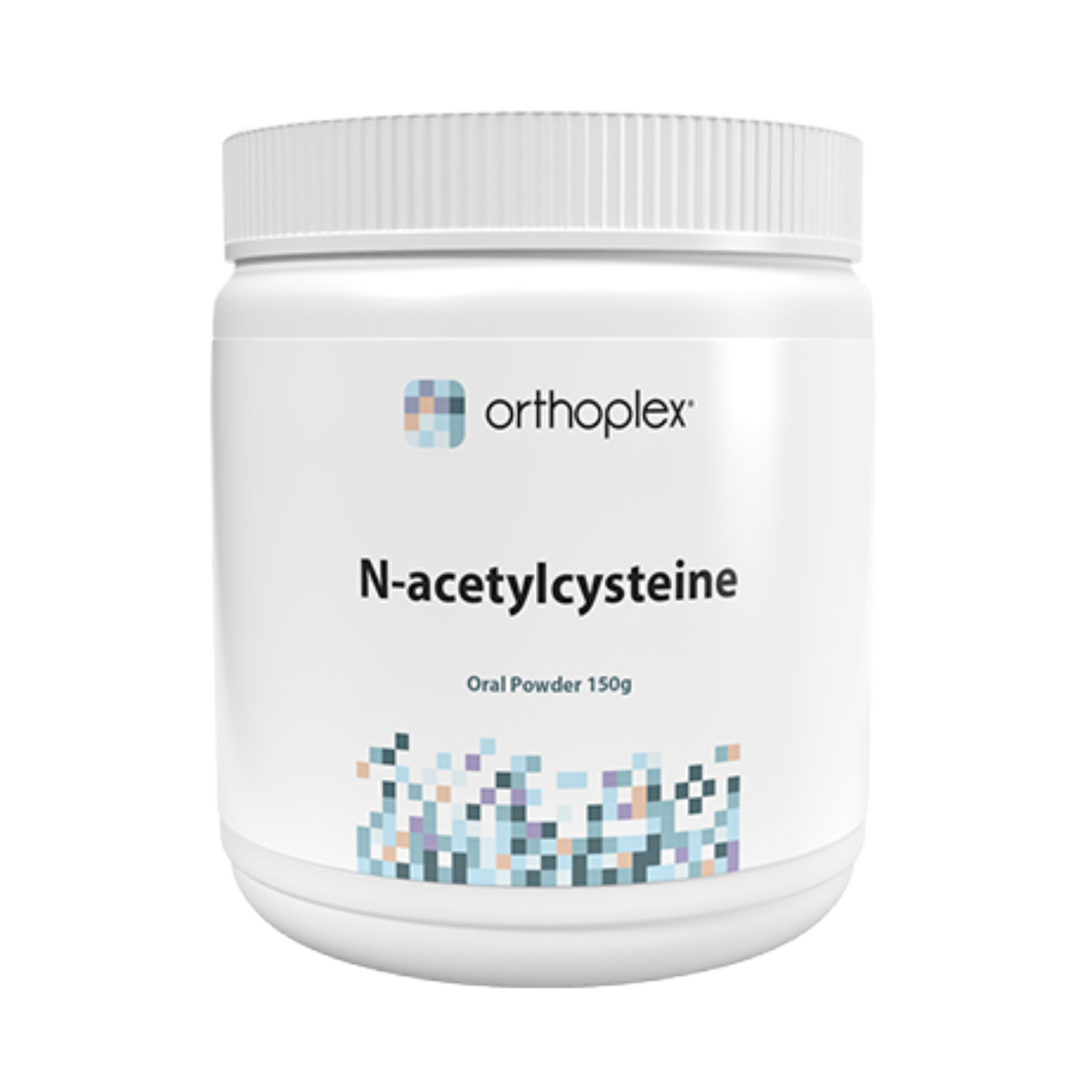
Tyrosine may appear as L-tyrosine capsules, NALT powder, NALT capsules, iodine + tyrosine products or thyroid-support formulas. Match the format to the goal and safety context.

1

L-tyrosine capsules

Convenient single-ingredient support for tyrosine pathway use where suitable.

2

NALT powder or capsules

Acetylated tyrosine format often used in practitioner-style neurotransmitter and stress-response support contexts.

3

Iodine + tyrosine

Thyroid pathway support only where iodine status, thyroid status and medication context have been considered.

4

Medication review

Important with MAOIs, thyroid medicines, levodopa, stimulants, blood pressure medicines and mood-related medicines.

The claim-control layer

What not to overclaim

Tyrosine becomes more credible when the page avoids focus, dopamine, thyroid, stress and mood promises.

Old-style wording Problem Safer GhamaHealth wording
“Boosts dopamine” Over-simplifies regulated neurotransmitter pathways. Tyrosine is a precursor in catecholamine pathway context.
“Improves focus and motivation” Can sound like ADHD or cognitive-treatment claims. Supports mental performance and focus under stress where label-supported.
“Supports thyroid function” Can imply thyroid disease management. Supports thyroid hormone production context where suitable and professionally appropriate.
“Helps stress resilience” Needs formula and label context. Supports normal stress-response pathways where labelled.
“Improves mood” Mood symptoms are medical and medication-sensitive. Use nervous system support language and include medicine cautions.
The safety layer

Suitability and safety

Tyrosine from food is normal. Targeted supplementation has important cautions because it connects with neurotransmitter and thyroid pathways.

MAOIs and antidepressants

Do not combine with MAOIs unless specifically directed by a qualified healthcare professional. Use caution with mood medicines.

Thyroid disease or medication

Use professional guidance with hyperthyroidism, Graves’ disease, Hashimoto’s, thyroid nodules or thyroid medicines.

Levodopa

Use caution with levodopa or Parkinson’s medicines because amino acids can affect medication routines.

Stimulants and ADHD medicines

Use caution with stimulant medicines, ADHD treatment plans or high-caffeine routines.

Blood pressure and migraine

Use caution with hypertension, palpitations, migraine patterns or blood pressure medicines.

Pregnancy and breastfeeding

Use targeted amino acid supplements only with professional guidance.

Safety-first note

Tyrosine should not replace medical care for depression, ADHD, anxiety, burnout, thyroid disease, palpitations, high blood pressure, migraine, Parkinson’s disease, sleep problems or unexplained fatigue.


Useful next step

FAQs + Checklist

Use these quick answers when comparing L-tyrosine, NALT, iodine + tyrosine, thyroid-support formulas and amino acid products.

What is tyrosine?

Tyrosine is a non-essential amino acid involved in protein synthesis and the pathways toward dopamine, noradrenaline, adrenaline, melanin and thyroid hormones.

Is tyrosine essential?

No. Tyrosine is usually classed as non-essential because the body can make it from phenylalanine, although it is also supplied through protein foods.

How is tyrosine different from phenylalanine?

Phenylalanine is essential and can be converted into tyrosine. Tyrosine then sits closer to catecholamine and thyroid hormone pathway context.

Is tyrosine useful for thyroid support?

Tyrosine is part of thyroid hormone production context, but thyroid symptoms need assessment. Use caution with thyroid disease, iodine products or thyroid medicines.

What is N-acetyl-L-tyrosine?

N-acetyl-L-tyrosine, or NALT, is an acetylated form of tyrosine used in some practitioner-style amino acid products.

Who should be cautious with tyrosine supplements?

Use caution with MAOIs, antidepressants, thyroid medicines, levodopa, stimulants, high blood pressure, migraine, mood conditions, pregnancy or breastfeeding.


Bottom line

Tyrosine is useful, but pathway claims need restraint

Tyrosine deserves a strong AminoIndex page because it connects protein synthesis, phenylalanine conversion, dopamine, noradrenaline, adrenaline, melanin and thyroid hormone pathway context.

The weak version is the one that turns tyrosine into a treatment for depression, ADHD, fatigue, thyroid disease, poor focus, low motivation, stress intolerance or “low dopamine” without proper context.

For GhamaHealth, the better version is clear and practical: tyrosine as a non-essential amino acid, food and protein as the foundation, targeted products where genuinely useful, and strong cautions around thyroid, blood pressure, mood and medicine-related contexts.


Important Information

Health Disclaimer, Product Links and References

General information only

This page is for educational purposes only and does not replace medical advice, diagnosis or treatment. It should not be used to diagnose, treat, cure or prevent depression, ADHD, anxiety, bipolar disorder, thyroid disease, hyperthyroidism, hypothyroidism, Graves’ disease, Hashimoto’s, high blood pressure, migraine, Parkinson’s disease, fatigue or any health condition.

Thyroid caution

Seek professional advice before using tyrosine or iodine + tyrosine products if you have thyroid disease, thyroid nodules, autoimmune thyroid disease, hyperthyroidism, hypothyroidism, abnormal thyroid blood tests or use thyroid medication.

Mood, stimulant and medication caution

Seek professional advice before using tyrosine or NALT with MAOIs, antidepressants, stimulant medicines, ADHD medicines, levodopa, Parkinson’s medicines, blood pressure medicines, migraine medicines or complex mental health care.

Supplement caution

Seek professional advice before using tyrosine supplements if pregnant, breastfeeding, taking medicines, using multiple nervous system or thyroid products, managing high blood pressure, palpitations, migraine, kidney disease, liver disease or a complex medical condition.

Product information may change

Product ingredients, forms, doses, warnings, directions and availability may change. Check the individual product page and packaging before purchase or use.

GhamaHealth disclaimer

For more details, read our Health Disclaimer & Liability Notice.

References
  1. MedlinePlus. Amino acids. Accessed 18 June 2026.
  2. PubChem. L-Tyrosine. Accessed 18 June 2026.
  3. National Academies Press. Dietary Reference Intakes: Protein and Amino Acids. Accessed 18 June 2026.
  4. National Institutes of Health Office of Dietary Supplements. Iodine Fact Sheet for Health Professionals. Accessed 18 June 2026.
  5. GhamaHealth. Tyrosine Profile. Accessed 18 June 2026.